

Camp Life
How do you keep a community fulfilled in health, spirit, fun, and recreation? From “Revielle” to “Taps,” daily life at camp was centered on rustic cabin living, meals in the Dining Hall, and deep connections to faith and religion.
TOPICS WE’LL EXLORE IN THIS SECTION:
CABIN LIFE + DINING HALLS + FAITH & RELIGION + HEALTH + CLOSING CEREMONIESA HOME AWAY FROM HOME
CABIN LIFE
In the early 1900s, most camps housed campers in rows of military-style platform tents. Following World War I, a disillusionment with war and the military, changes in child psychology, and health concerns influenced a shift to open-air cabins with roofs and larger layouts to replace crowded tent-style lodging.
In the 1920s and 1930s, new research in child psychology emphasized distinct stages of emotional development. In response, camp directors began grouping campers by age. Directors were also increasingly concerned with outbreaks of diseases such as tuberculosis and polio. Camp layouts were redesigned by building cabins further apart, in clusters, and nestled in wooded areas to give more space between living structures.
By this time, cabin life replicated a sense of family life. One or two counselors, and sometimes a younger counselor in training, lived in each cabin with relatively small numbers of campers, all of the same age. Counselors acted as leaders, mentors, and stand-in parents. They oversaw daily routines including afternoon Rest Hours and bedtime routines at night. Counselors were a camper’s immediate support through homesickness, challenges, triumphs, and growth.
HAVE A LISTEN TO AN ORIGINAL CAMP SONG!
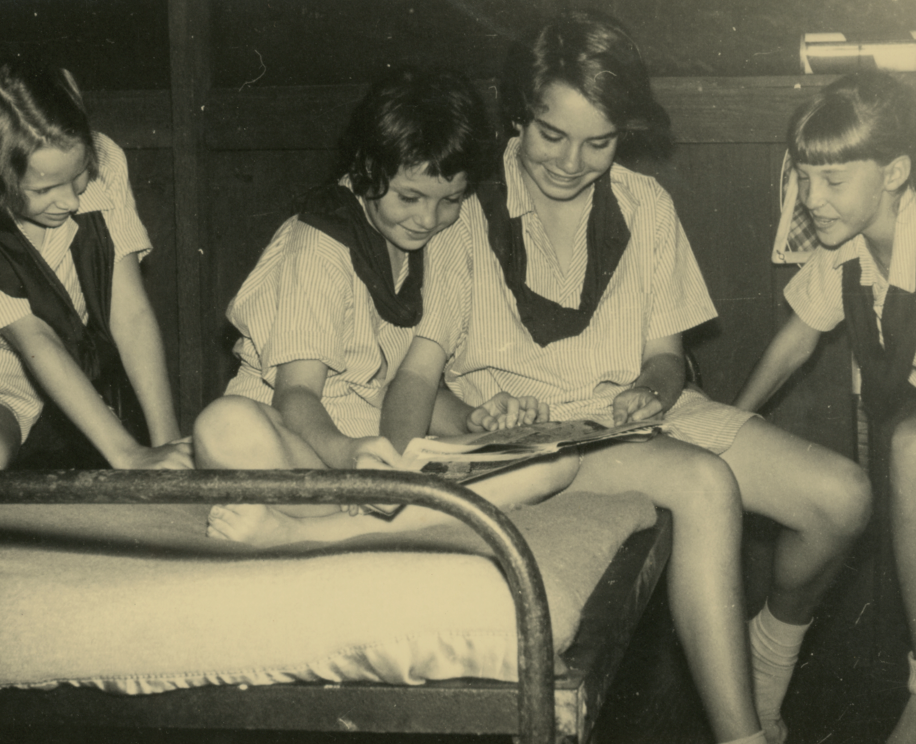
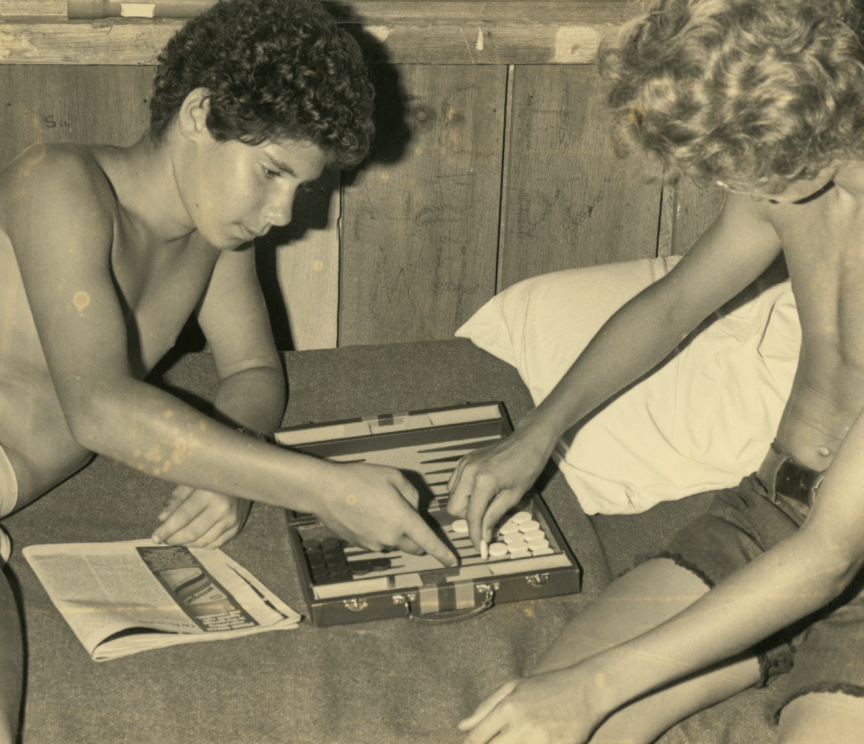
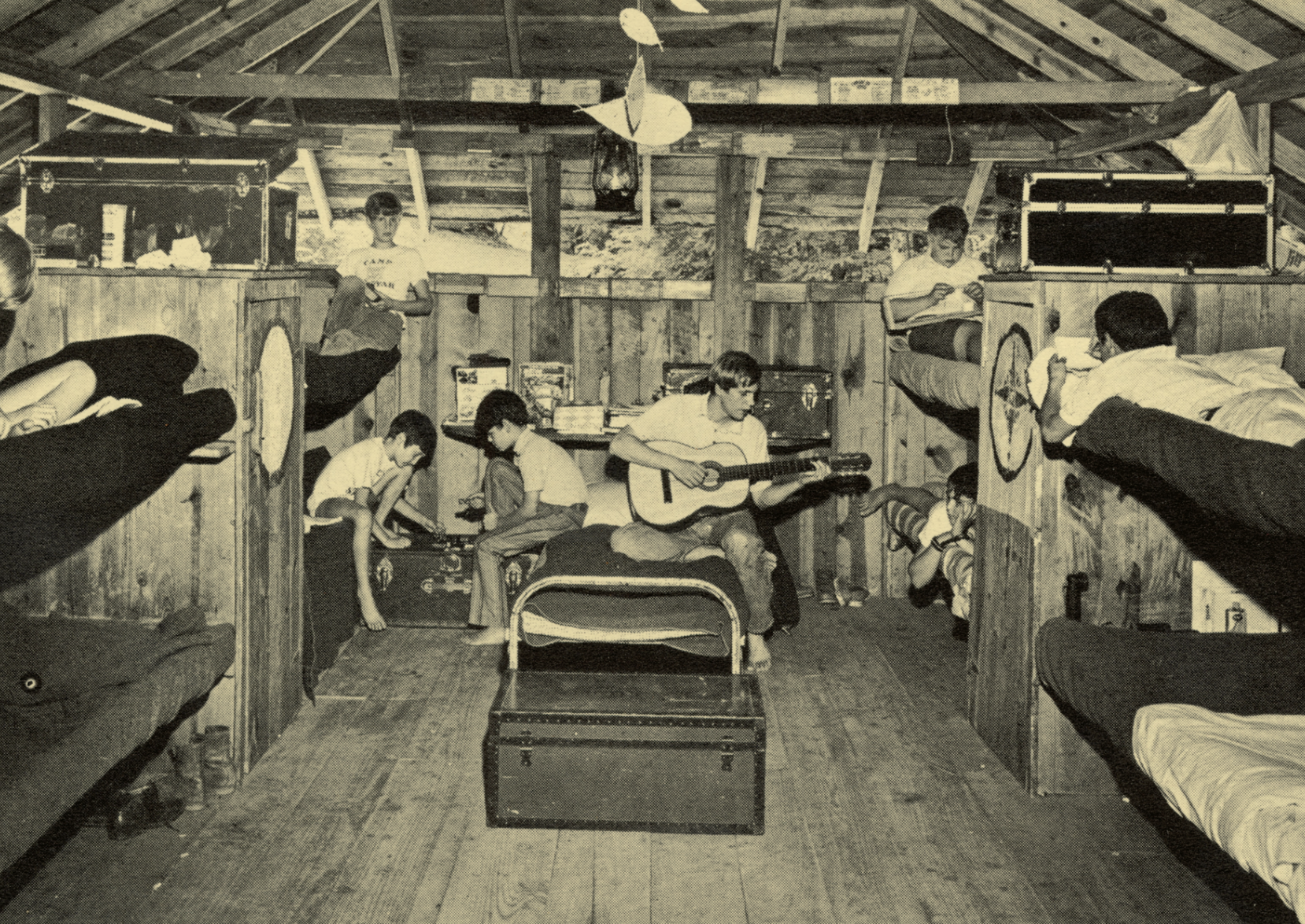
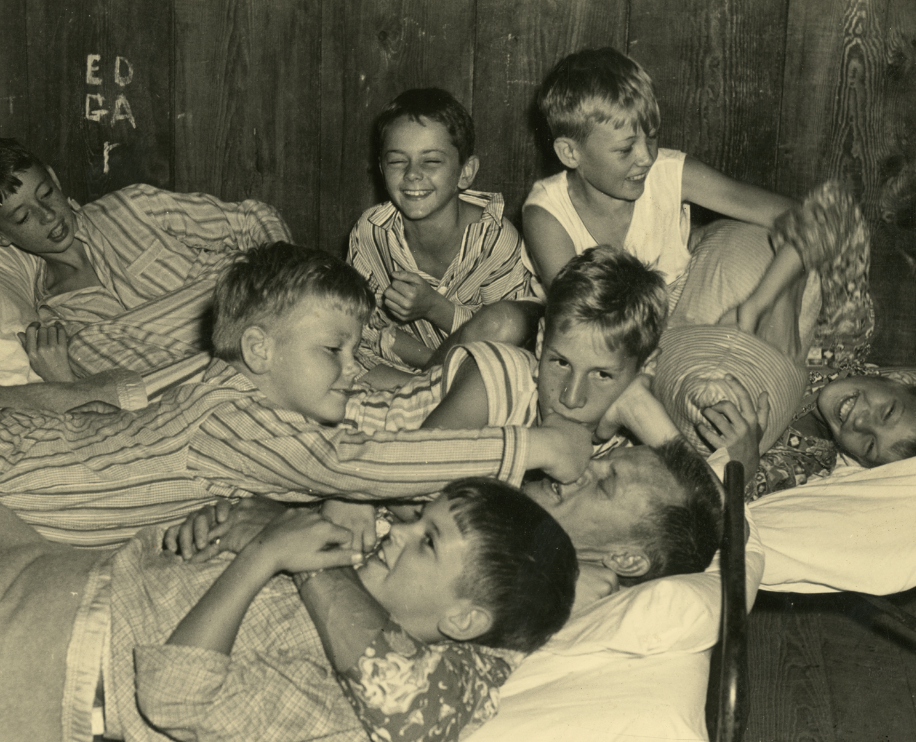
Clips from Blue Star Camps (Hendersonville, NC), 1962
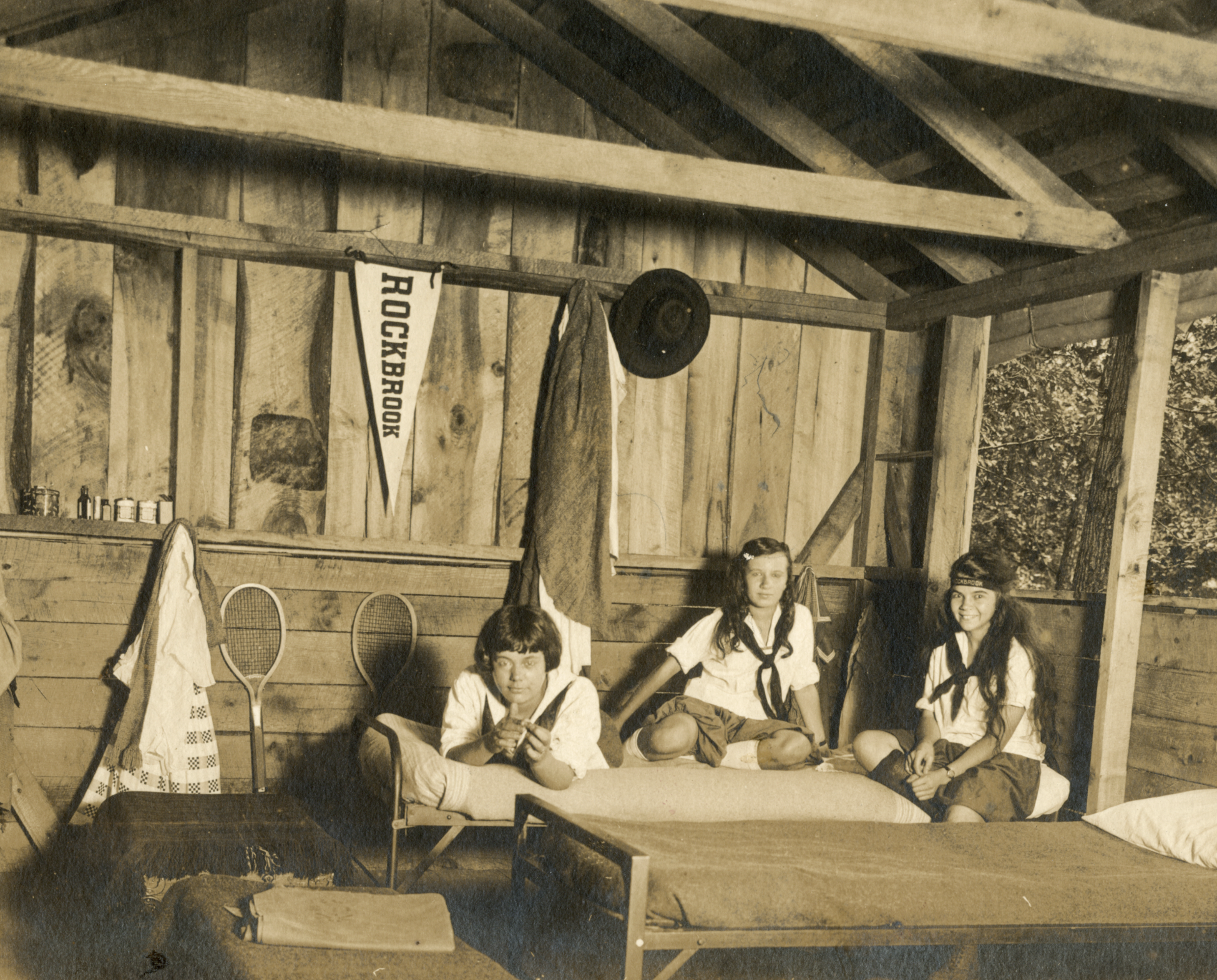
Rockbrook Camp (Brevard, NC), c. 1950s
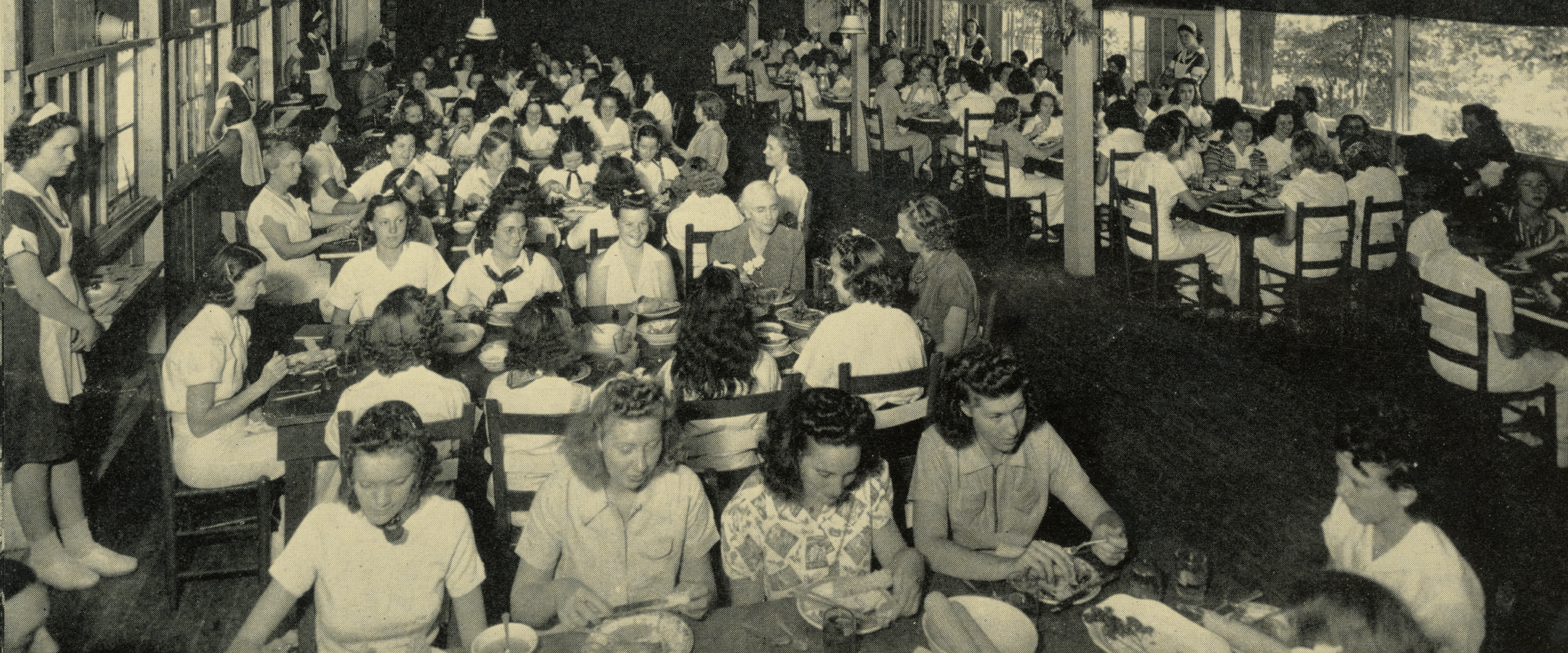
Camp Junaluska (Lake Junaluska, NC) Dining Hall, c. 1940s
Camp meals remain steeped in tradition and routine. Many former campers remember the dining hall with nostalgia. Mealtime blessings were sung before each meal, with a different song for breakfast, lunch, and dinner.
Mealtimes were one of the few times of day the entire camp community was together in the same place, giving the experience added importance within the camp structure. At the end of meals, counselors and staff gave announcements about daily schedules, special trip sign-ups, and general information regarding camp life.
HAVE A LISTEN TO AN ORIGINAL CAMP SONG!
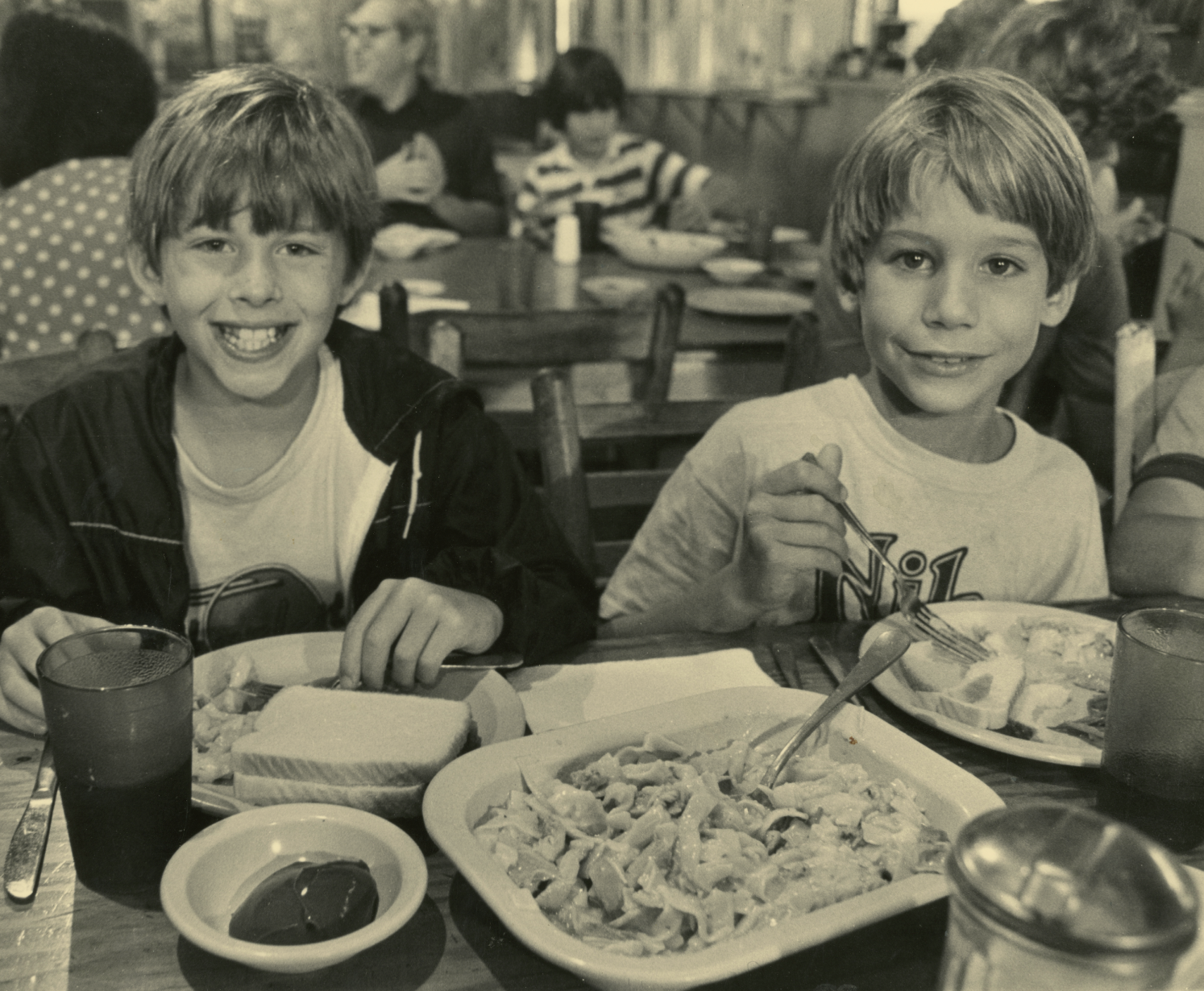
Campers enjoy a meal at Camp Mondamin (Tuxedo, NC), c. 1980s.
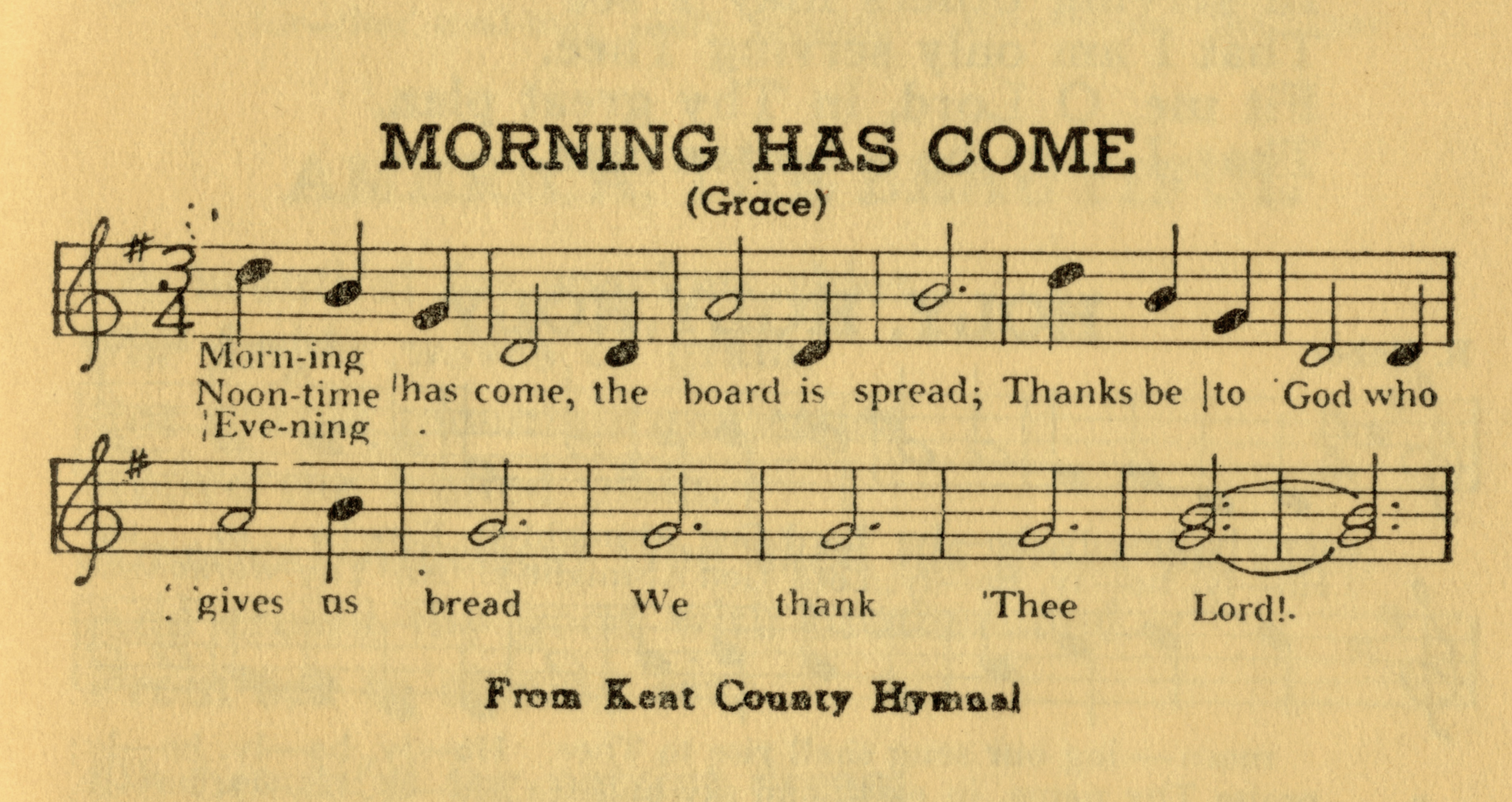
A common mealtime blessing used by many camps in western NC, starting in the early
20th century through today.
FEEDING A SMALL ARMY
CAMP DINING HALLS
The camp dining hall is both the beating heart of camp and a meticulous machine where the camp community is served three meals a day.
In most boys’ camps during the early 1900s, food was served in cafeteria-style lines, and campers ate meals in open-air military-style mess halls. By 1930, family metaphors had replaced military ones, with meals served “family-style” in large and homey dining halls with modern kitchens attached. Small groups of campers sat at tables with 1-2 counselors to provide adult supervision. Counselors set serving dishes with food for the entire table, and a “runner” — a rotating responsibility among campers–refilled platters from the kitchen and brought dirty dishes to the kitchen at the end of the meal.
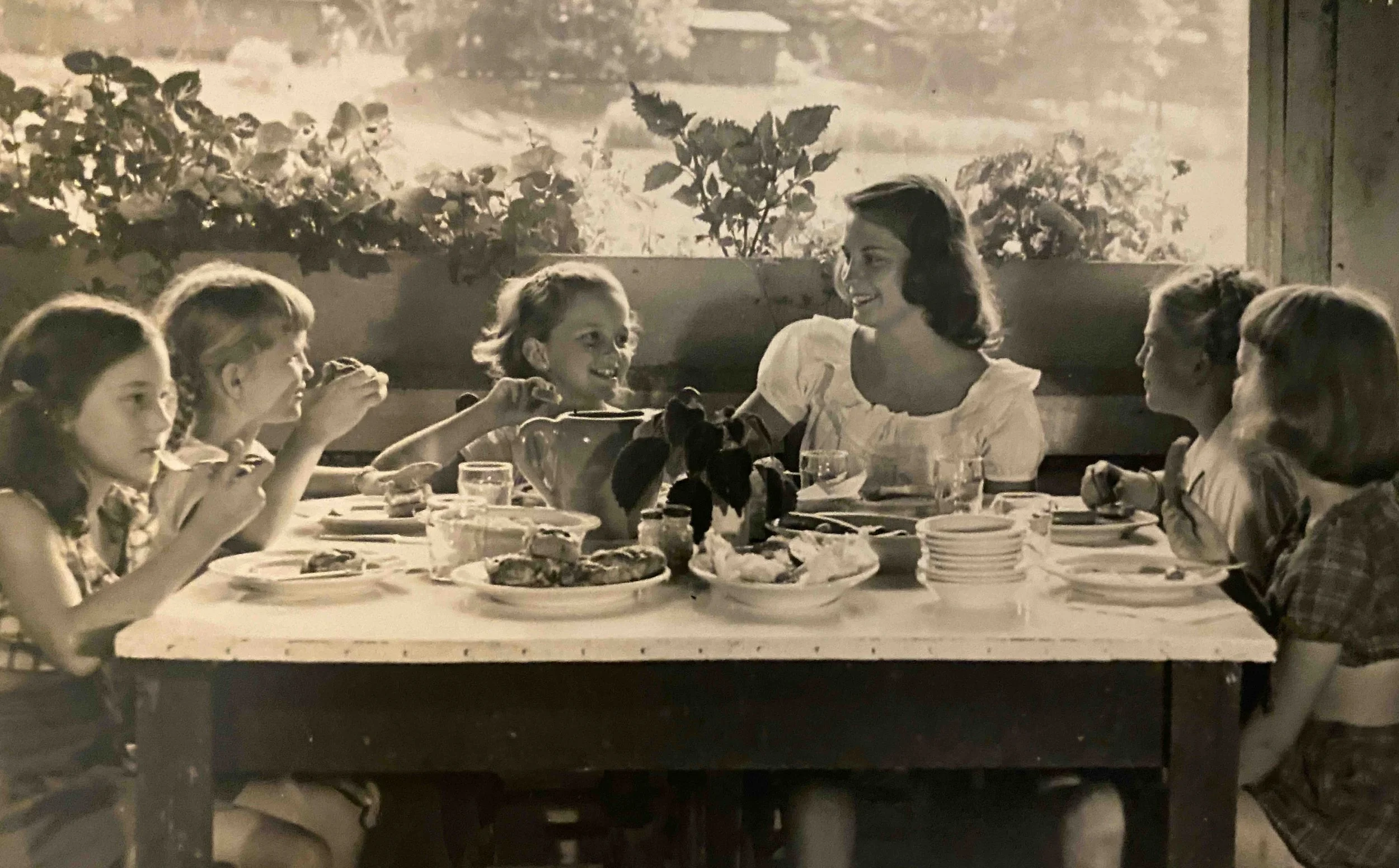
Camp Ton-A-Wandah (Flat Rock, NC), c. 1950s
KEEPING THE FAITH: RELIGION AT CAMP
Sunday chapel services at most privately-owned Protestant camps were usually nondenominational and focused on a connection with nature and the beautiful physical setting of outdoor chapels. Camp staff led the services, and messages were delivered by leaders in the camp or guest speakers. Pictured here is a Chapel service at Camp Carolina (Brevard, NC), c. 1962.
SUNDAYS AT CHRISTIAN-BASED CAMPS
Christian camps became more prevalent in the mid-20th-century. They were tied to specific denominations and provided a more formal religious focus. Most privately owned overnight camps in western North Carolina were not church camps but were shaped by Protestant values.
Many camp directors felt that normal camp activities were too rowdy for the Sabbath and acknowledged Sundays as a day of rest. At some camps, campers were allowed to wake up later than normal, and the schedule of the day differed from the regular routine of the week. Campers often wore a more formal uniform or attire on Sundays. Camps held worship services in outdoor chapels, which focused on the connection between spirituality and nature. In the evenings, campers attended reflective Vesper services to end a day that had a more relaxed tone.
Camp Arrowhead (Tuxedo, NC)
Sunday Service, c. mid-20th century
JEWISH SUMMER CAMPS IN WNC
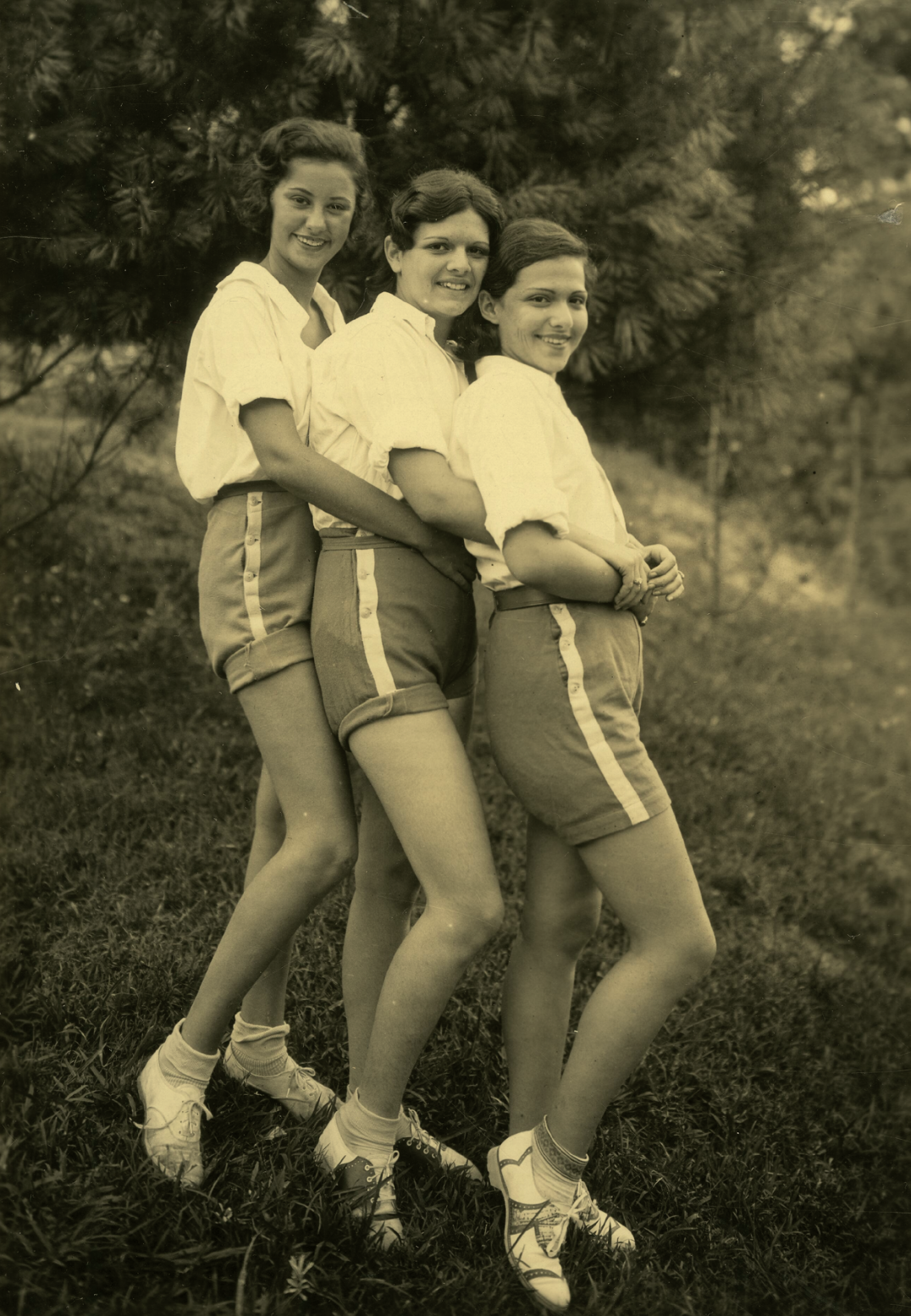
Jewish summer camps became a significant cultural experience for Jewish American children as early as the 1920s and gained popularity in the years following World War II. Promoting Jewish education, community, and cultural life was the goal of Jewish camp directors.
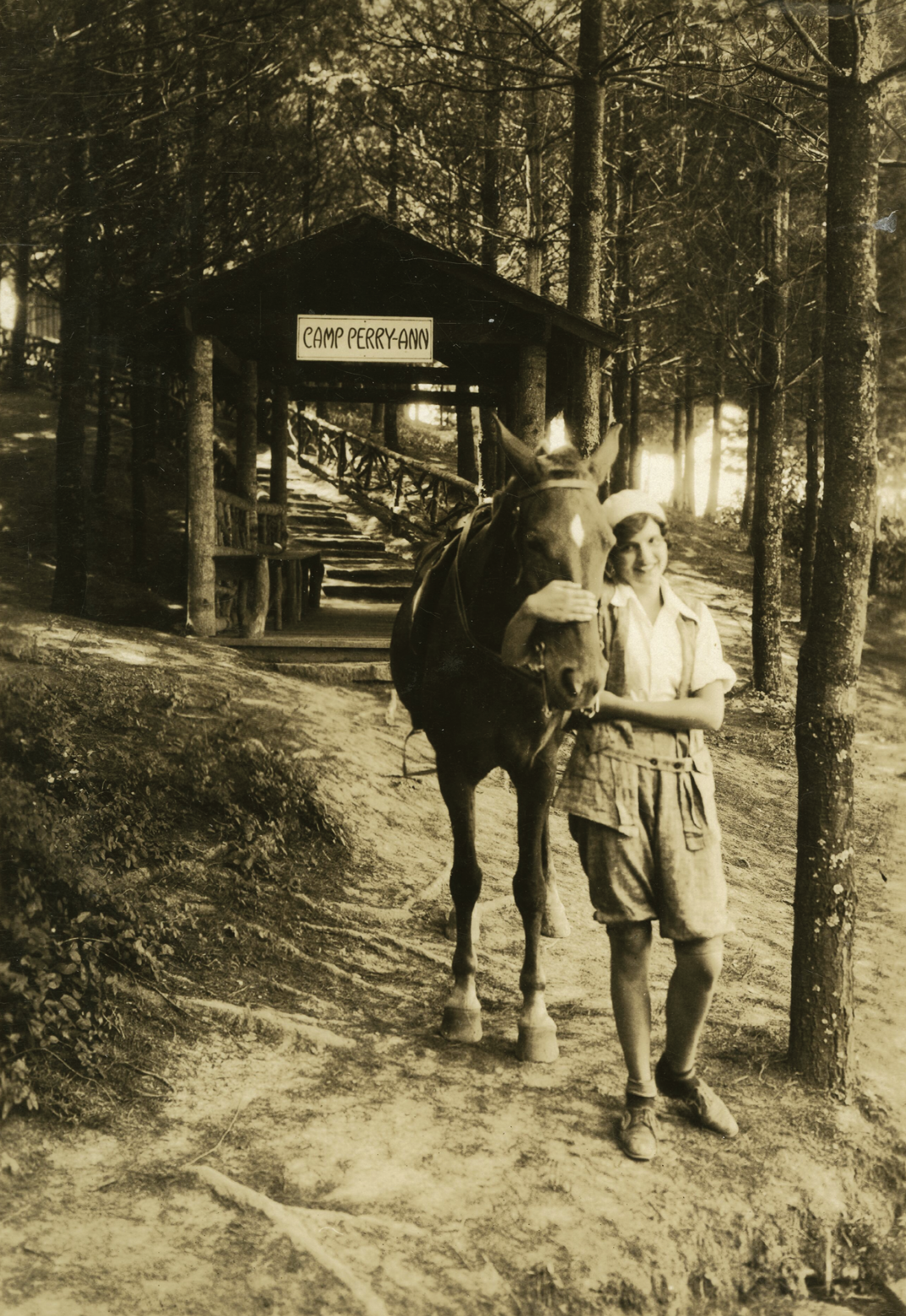
In the late 1920s–mid-1930s, Camp Perry-Ann (Brevard, NC), operated as the only camp in the South exclusively for Jewish girls. Mrs. Ann Pushell, the camp’s owner and director, was of Jewish descent. She was a prominent member of Brevard society and served as the Vice President of the Brevard Business and Professional Women’s Club. Camp Perry-Ann opened July 4, 1927 on 200 acres overlooking the French Broad River. In its first year, the camp welcomed girls, ranging in age from 10-18, from Georgia, South Carolina, Florida, Mississippi, Louisiana, and Tennessee.
During World War II, Jewish brothers, Ben, Harry, and Herman Popkin served in the US Armed Services and vowed to start a summer camp if they survived the war. In 1948, the same year as the establishment of the state of Israel, they created Blue Star Camps (Hendersonville, NC). Still in operation today, Blue Star is now the oldest private Jewish camp in the southern United States. In 1960, Herman Popkin went on to help found Camp Judaea (Hendersonville, NC), a program of Hadassah, the Women’s Zionist Organization of America. Jewish camps continued to increase across the country as American Jews looked for ways to raise children committed to their faith, and its long-term survival, after the horrors of the Holocaust.
“You boys ought to do it. There’s a need for a camp like the one you propose, especially for older children. Most private camps down south won’t accept Jewish children, and those that do, do so on a strict quota basis.”
— Jane McConnell, Director of Camp Cherokee (Lake Burton, GA), to the Founders of Blue Star Camps (Hendersonville, NC)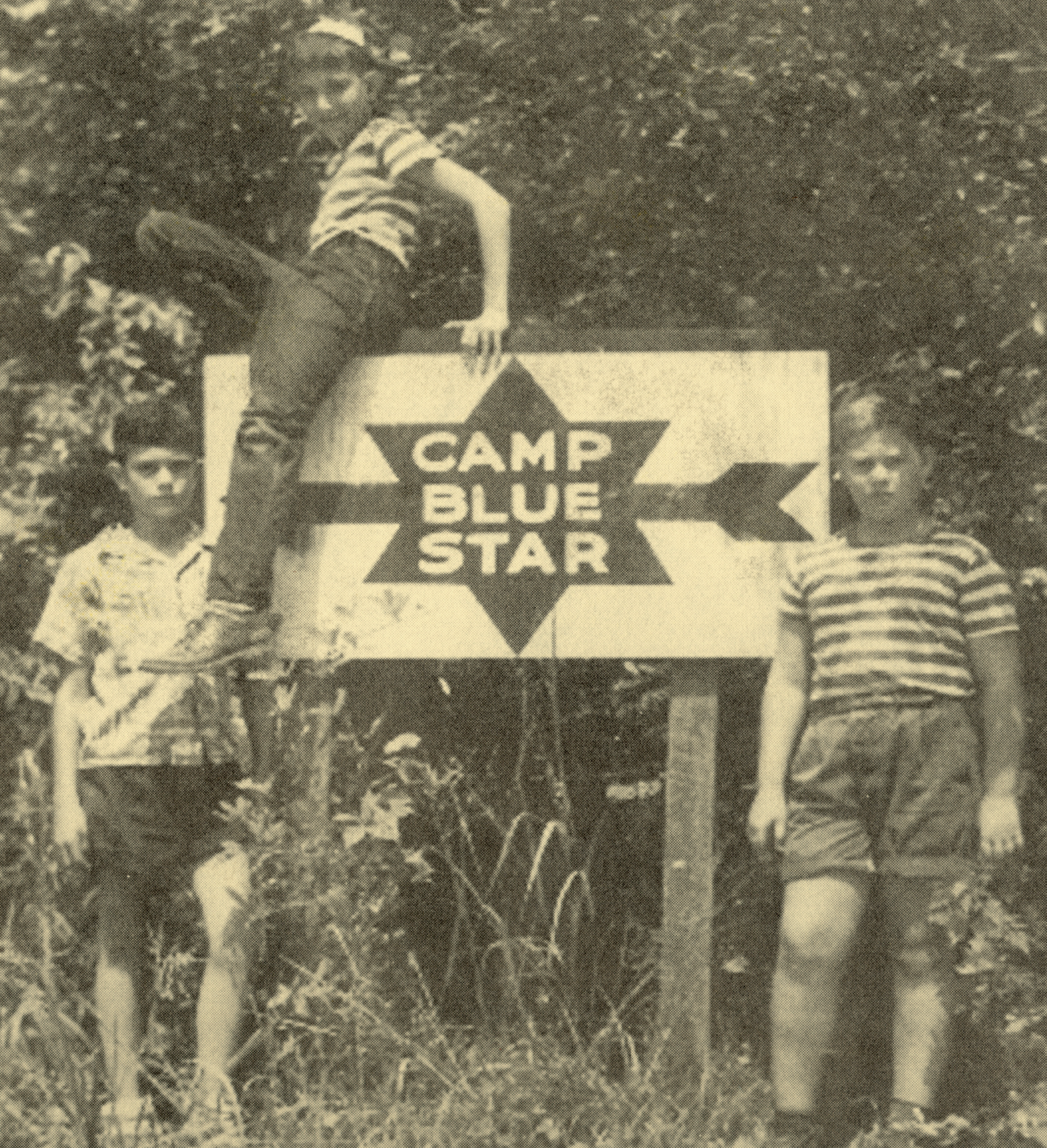
HAVE A LISTEN TO AN ORIGINAL CAMP SONG!
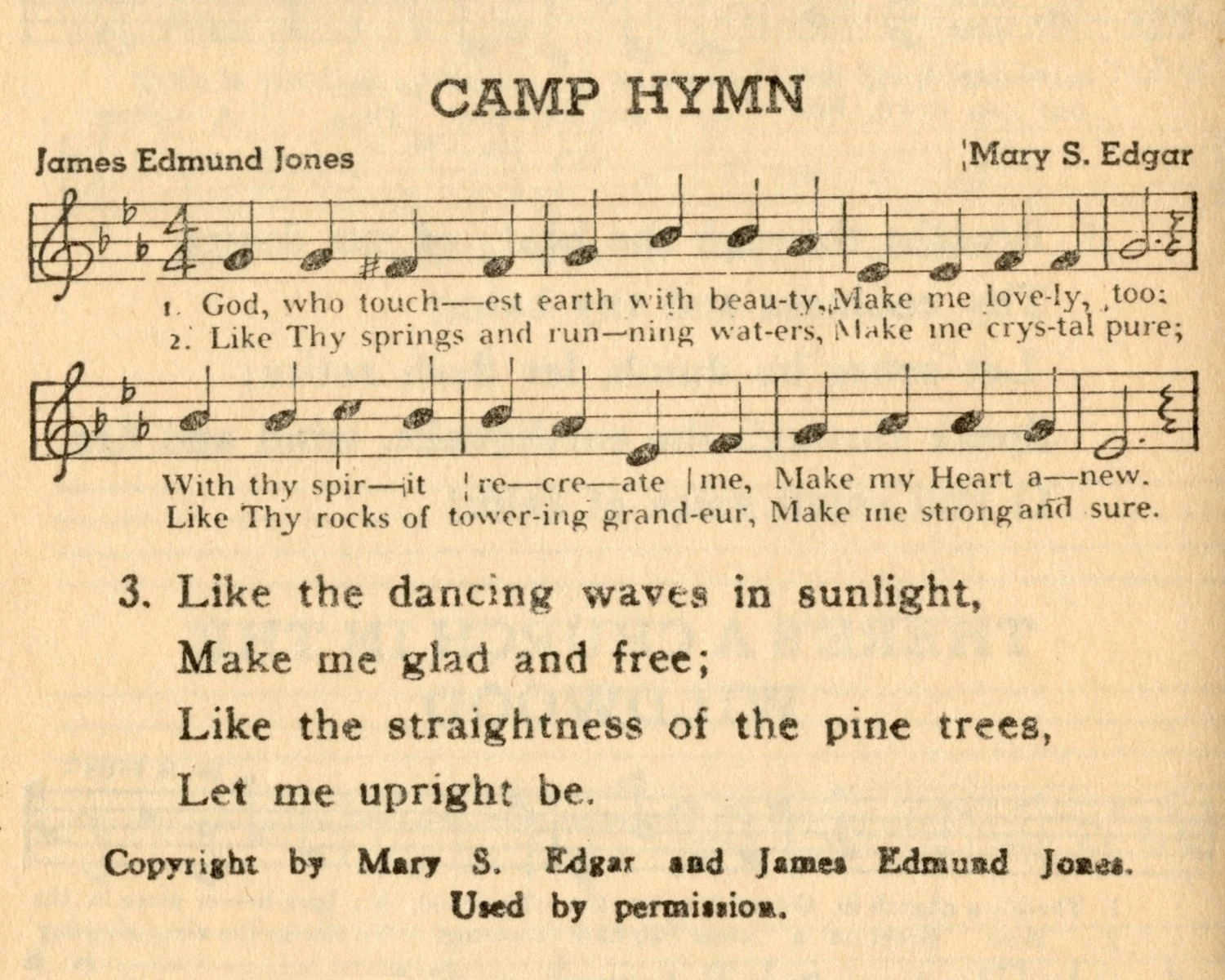
Many camps in western North Carolina and beyond have used this "Camp Hymn" by Mary S. Edgar and James Edmund Jones since the 1920s. Edgar was a leader of the girls camping movement in Canada. Her song won the Camp Directors Association Prize in the 1930s.
“You’d see one thousand Jewish kids in the hills of North Carolina singing Hebrew songs… There’s no way to describe it.”
— Miles Kuttler, former Counselor at Blue Star Camps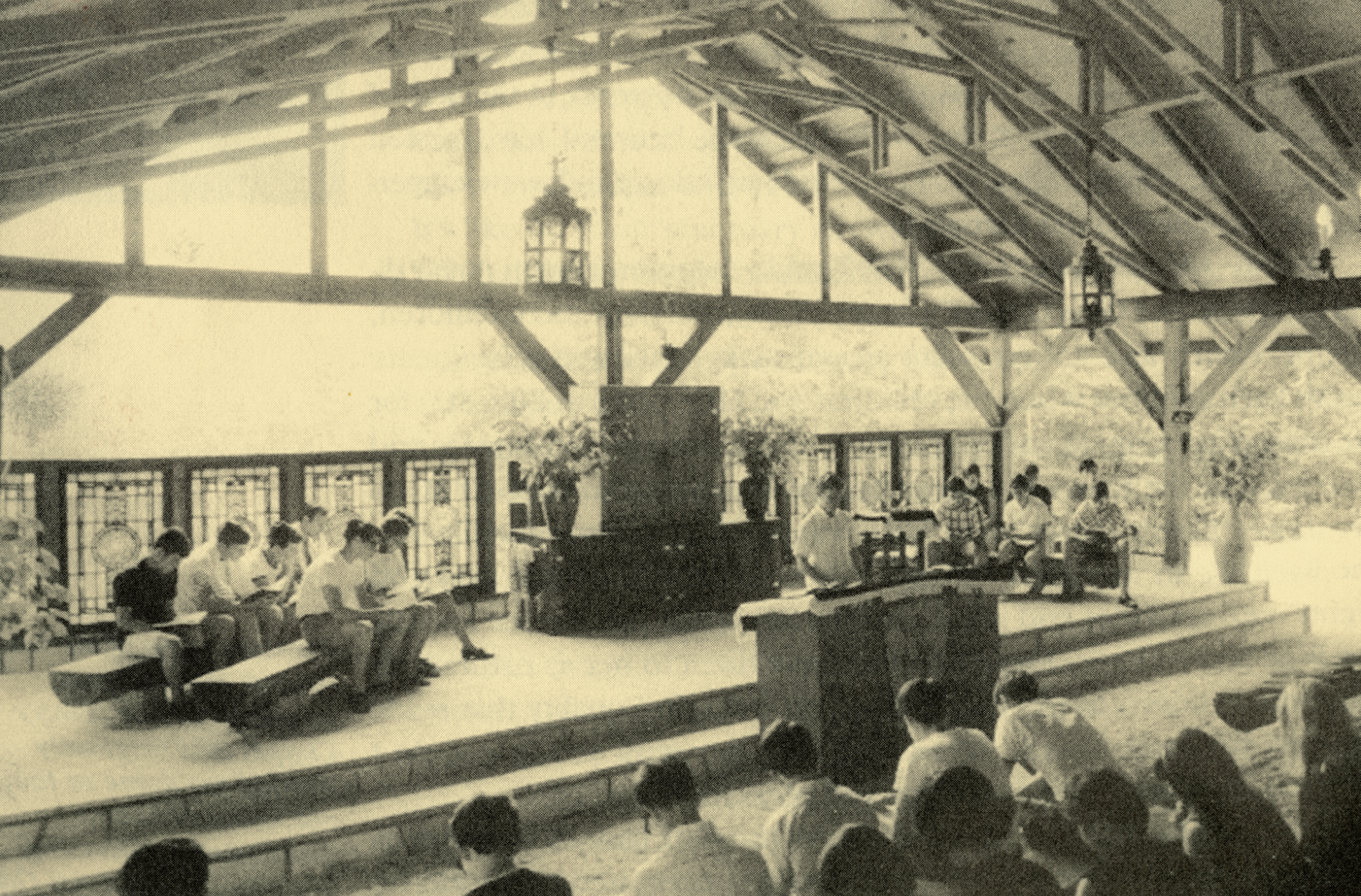
The chapel at Blue Star Camps (Hendersonville, NC) where Friday evening and Sabbath morning services were held, c. 1960s
KEEPING CAMPERS HEALTHY THROUGH EPIDEMICS & PANDEMICS
1948: POLIO PERILS IN NORTH CAROLINA
The nationwide polio epidemic rose significantly in the late 1940s, and North Carolina was the epicenter of multiple outbreaks in the summer of 1948. Polio, a fast-spreading virus, especially dangerous to children in warmer months, infects the spinal cord and can lead to paralysis or death. On July 17, 1948, The New York Times reported the highest daily number of cases to date in North Carolina. Campers arrived at North Carolina camps just weeks before, and parents panicked.
Camp directors implemented precautions to protect their campers. Most of the polio infections were concentrated in the eastern part of the state, and many doctors considered camp a safer environment in the hot summer months than cities. However, when a camper at Gwynn Valley Camp (Brevard, NC) became infected, multiple camps in western North Carolina went into an immediate quarantine.
Quarantine measures included: accepting only full-summer campers; campers who traveled from high-risk areas of the country were quarantined before arriving for 14 days; limiting the ability of counselors to leave camp on their days off; trips out of camp to public spaces were suspected; no visitors were allowed into camp; postal workers had to leave all mail outside of camp gates; staff had to wear face masks when accepting deliveries; and modified arrival and departure procedures.
In 1952, the first effective polio vaccine was developed, which turned the tide on the epidemic. By the end of the 1950s, polio was nearly eradicated.
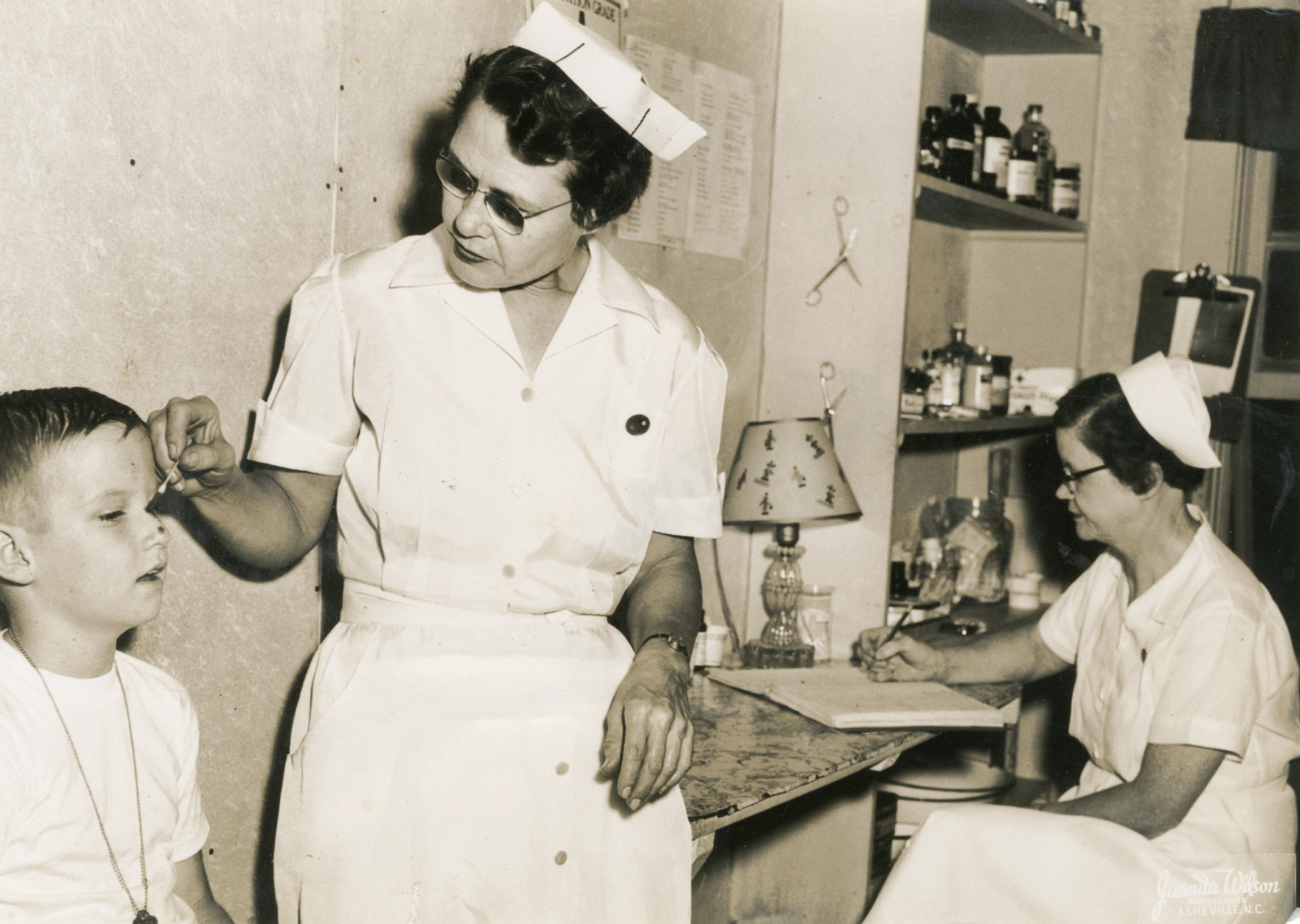
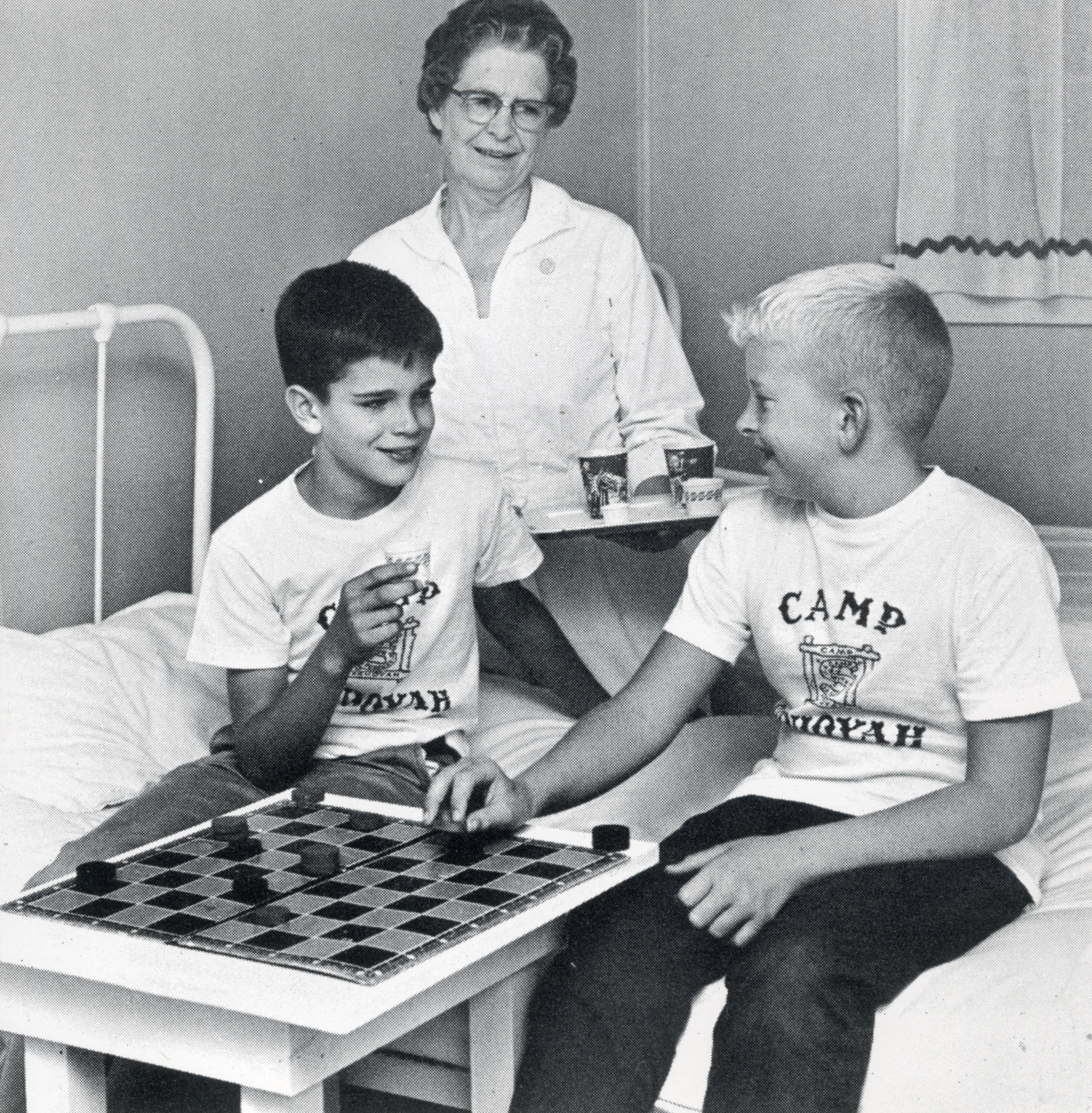
Camp infirmaries were staffed by nurses to care for campers and counselors during the summer. Camp Arrowhead (Tuxedo, NC), c. 1950s
Film clips from Blue Star Camps (Hendersonville, NC), c. 1962
“We are meeting panic on the part of some parents from other states, as are all camps in North Carolina.”
— letter to NC State Board of Health from Dammie Day, Director of Camp Merrie-Woode, July 13, 19482020–2021: COVID-19 CRISIS
In the spring of 2020, summer camps in western North Carolina faced a new health crisis: the COVID-19 pandemic. National shutdown procedures remained in place during the months leading up to summer, and nearly all summer camps in the region canceled their summer sessions in 2020.
In 2021, camps reopened with significant changes to programming and camp life to protect campers’ health. Safety measures mirrored many used during the polio epidemic: accepting no campers for less than full sessions; limiting the ability of counselors to leave camp on their days off; allowing no trips out of camp to public spaces; allowing no visitors into camp; and modified arrival and departure procedures. Some camps employed pod systems to limit close interaction between groups of campers.
The federal government added summer camp counselors to the list of educators considered necessary workers, giving them early access to COVID-19 vaccines. Consequently, many camps required staff to be vaccinated in order to work at camp in 2021.
After more than a year of isolation, parents were eager for their children to return to social settings. Messaging of the health benefits of returning children to the outdoors and away from the cities grew stronger, mirroring the beliefs at the root of the foundation of the camping movement in the late 1800s and early 1900s.
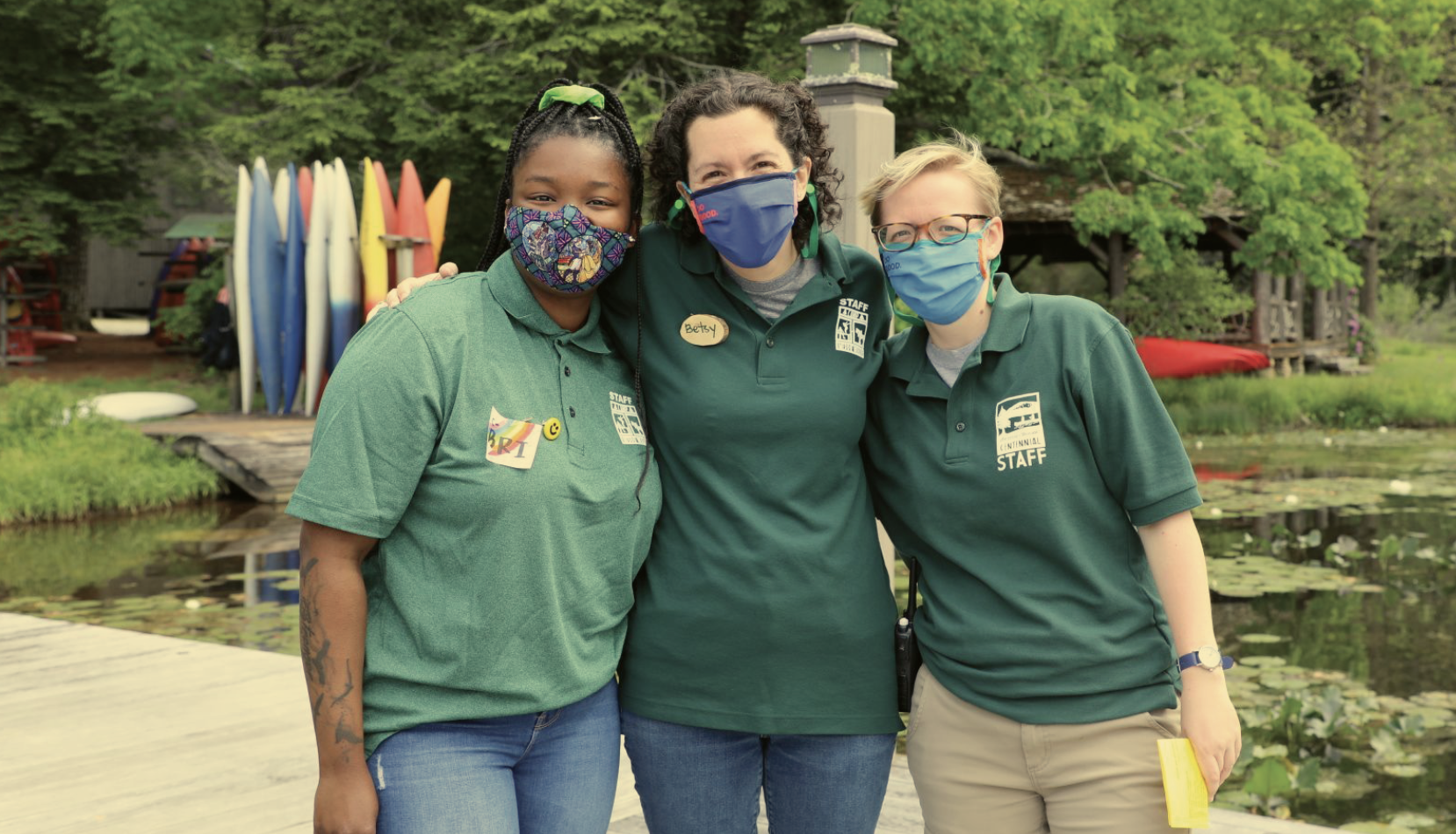
Staff at Camp Merrie-Woode (Sapphire, NC) wear face masks which became mandatory at many camps in the first summer back after the pandemic, c. 2021.
Camp Sequoyah (Weaverville, NC),
c. mid-20th century
“DAY IS DONE, GONE THE SUN”
CLOSING CEREMONIES & CAMP GOODBYES
On the shores of mountain lakes, generations of campers continue to participate in emotional closing camp ceremonies. These final nights of camp sessions often feature a ceremonial campfire or the lighting of individual candles from a single flame. Metaphors surrounding one’s own internal light are strong, and these ceremonies are designed to make campers feel part of a larger community.
Campers were encouraged to take the lessons they’ve learned about themselves and their camp culture back out into the larger world. The philosophy of teaching children that they matter, to each other and to a greater world, is instilled in these final nights of camp. While these ceremonies vary from camp to camp, they are always presented in visually beautiful and deeply emotional ways.
For older campers, closing ceremonies had extra importance, as they bid farewell to a beloved community and their own childhood.
Summer camp is a place where campers find the truest version of themselves, away from the expectations of parents, schools, and society. Summer camp is a foundational experience in the lives and development of generation after generation of campers, and it lingers in the hearts of many for years long after they have reached adulthood.
HAVE A LISTEN TO AN ORIGINAL CAMP SONG!
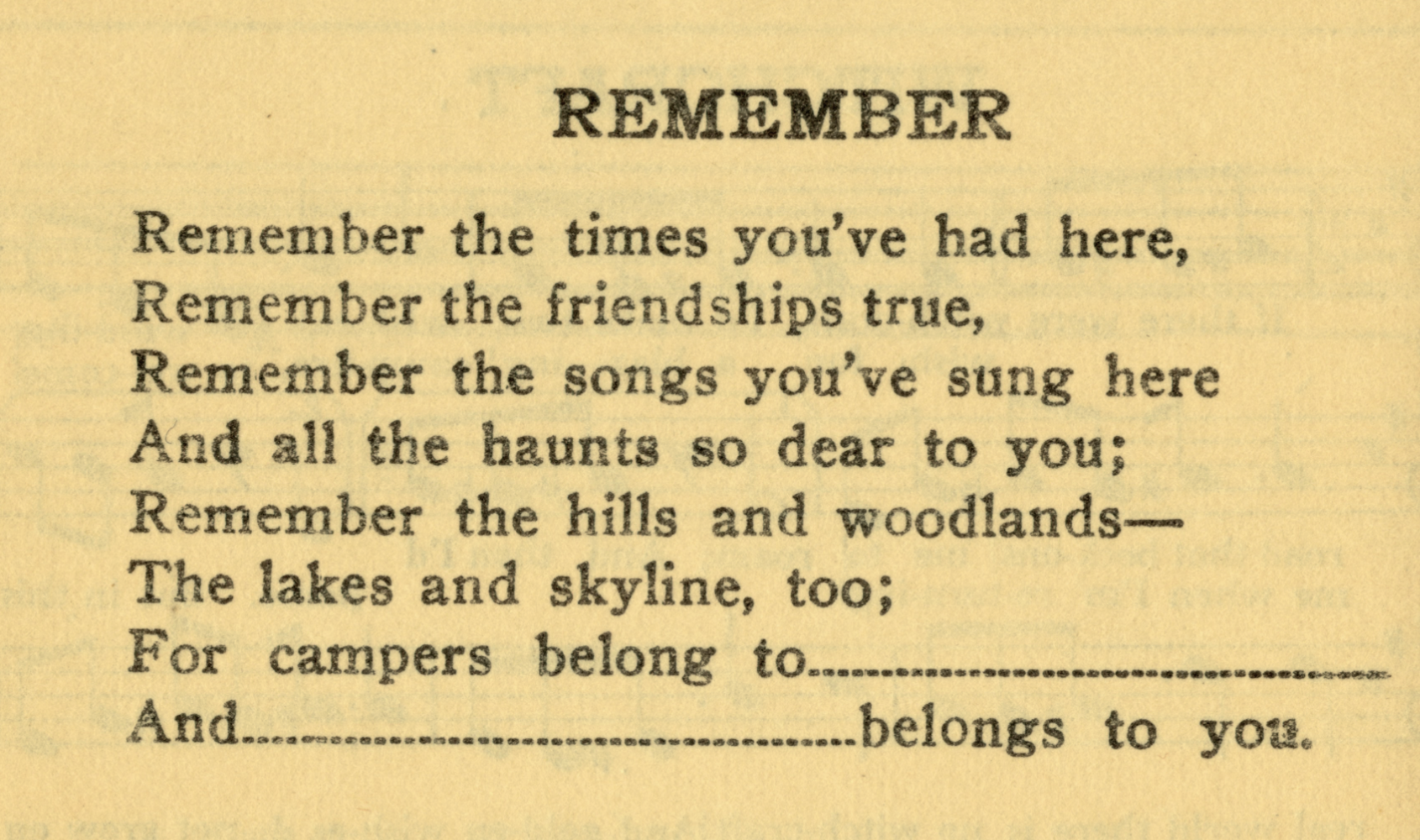
“Remember” was a popular closing song at camps in the early to mid-20th century.
“When I am home, people ask me why I go off to camp. My reply is that I love it. I can’t put into words the many feelings I have deep inside. They are entirely inexpressible!...There are so many people in this restless world who have never had that feeling that brings complete peace of mind. I have experienced it many times in the mountains of Western North Carolina.”
— A 16-year old camper at Camp Sequoyah, C. 1950s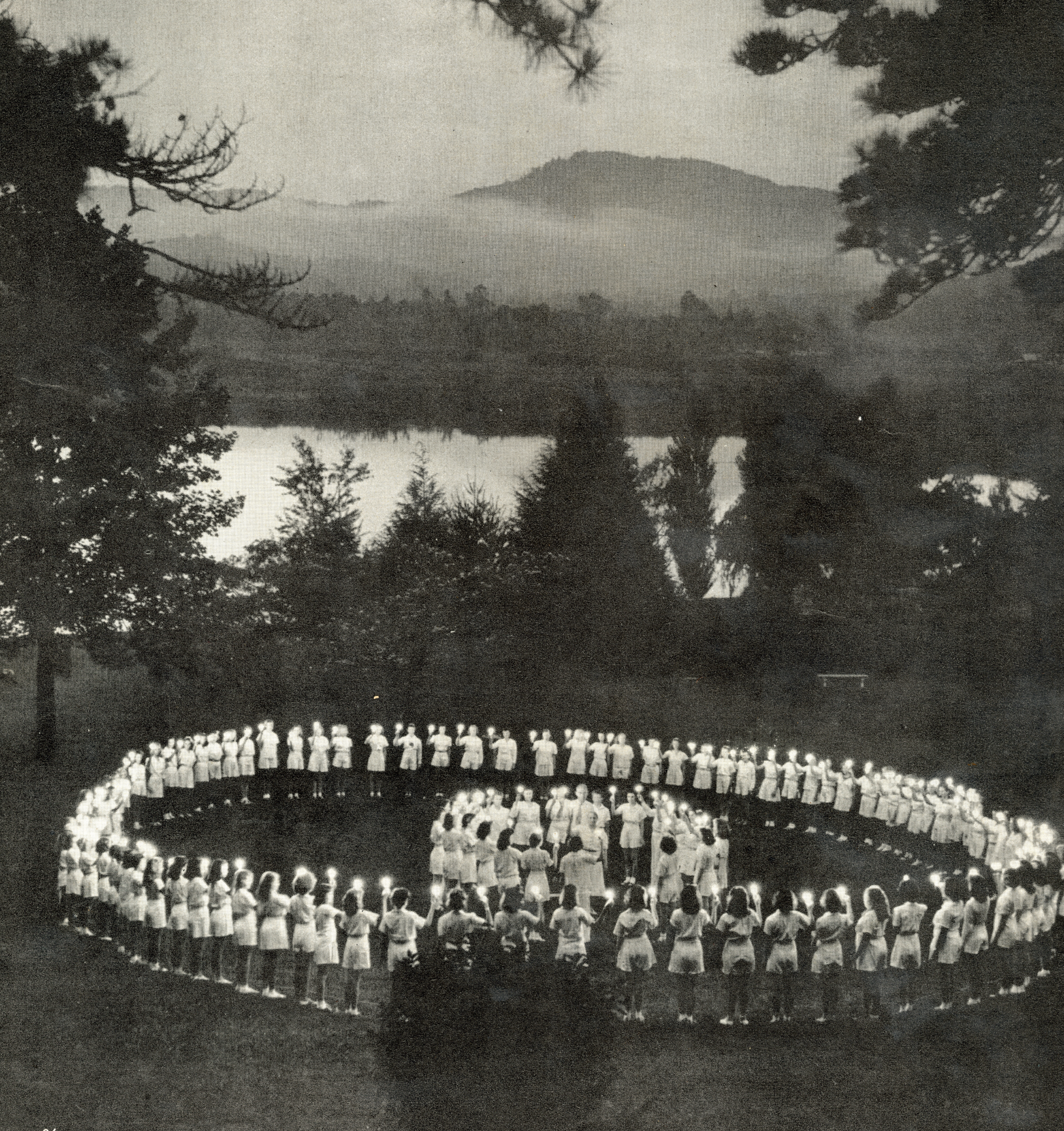
Campers participate in a closing ceremony at Camp Greystone (Tuxedo, NC). Photographed for LIFE Magazine, August 25, 1941.
INTRODUCTION • camp origins • CAMP evolutions • CAMP CULTURE • CAMP LIFE • MUSEUM GALLERY