

Camp Culture
What holds a community together? Summer camps created their own unique culture that included traditions, language, music, shared values, and histories to bind their campers quickly and tightly together. Dive into the touchstones that define camp culture.
TOPICS WE’LL EXLORE IN THIS SECTION:
uniforms + activities + TRIPS + mail + music + campfireS + tajar tales + filmsSOMETHING YOU CAN GET DIRTY IN
CAMP UNIFORMS & CLOTHING
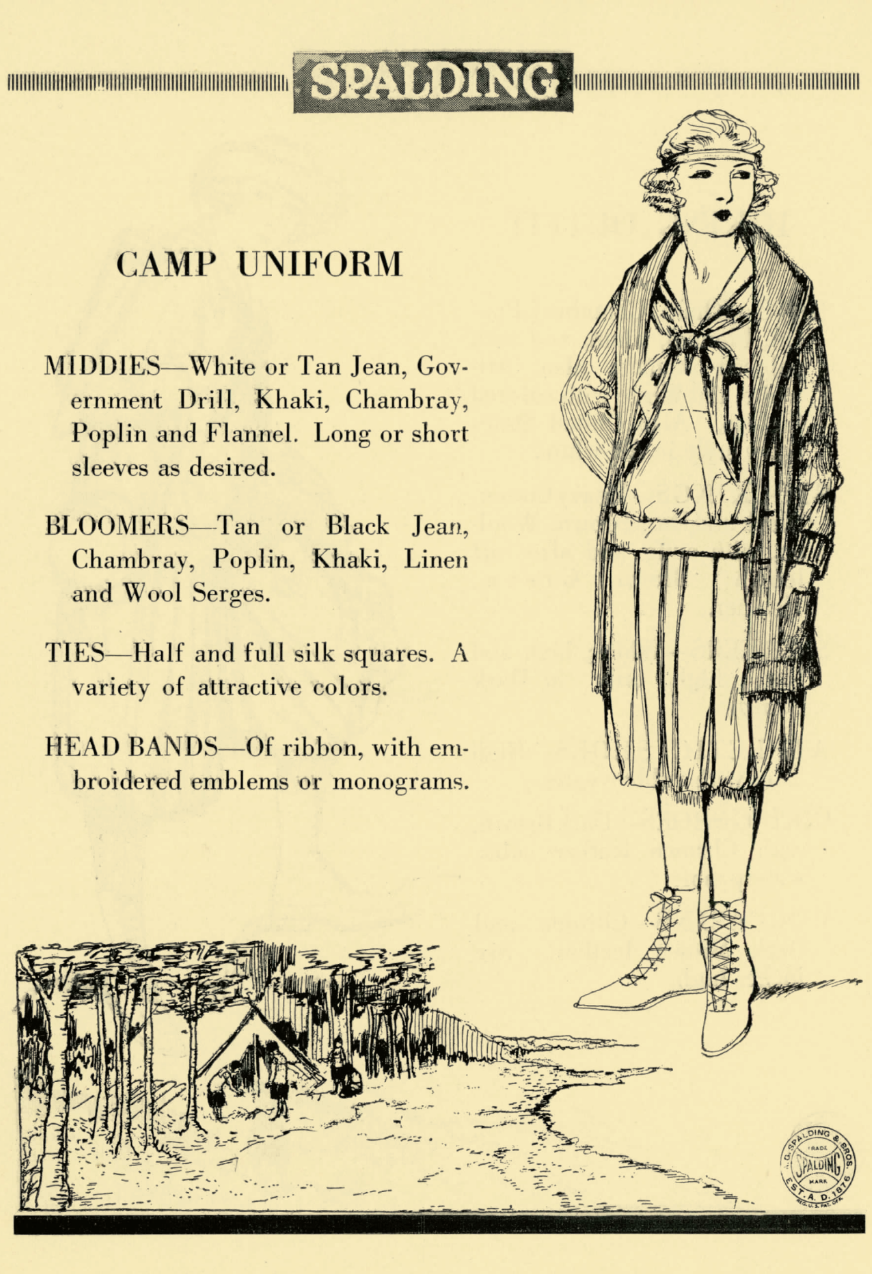
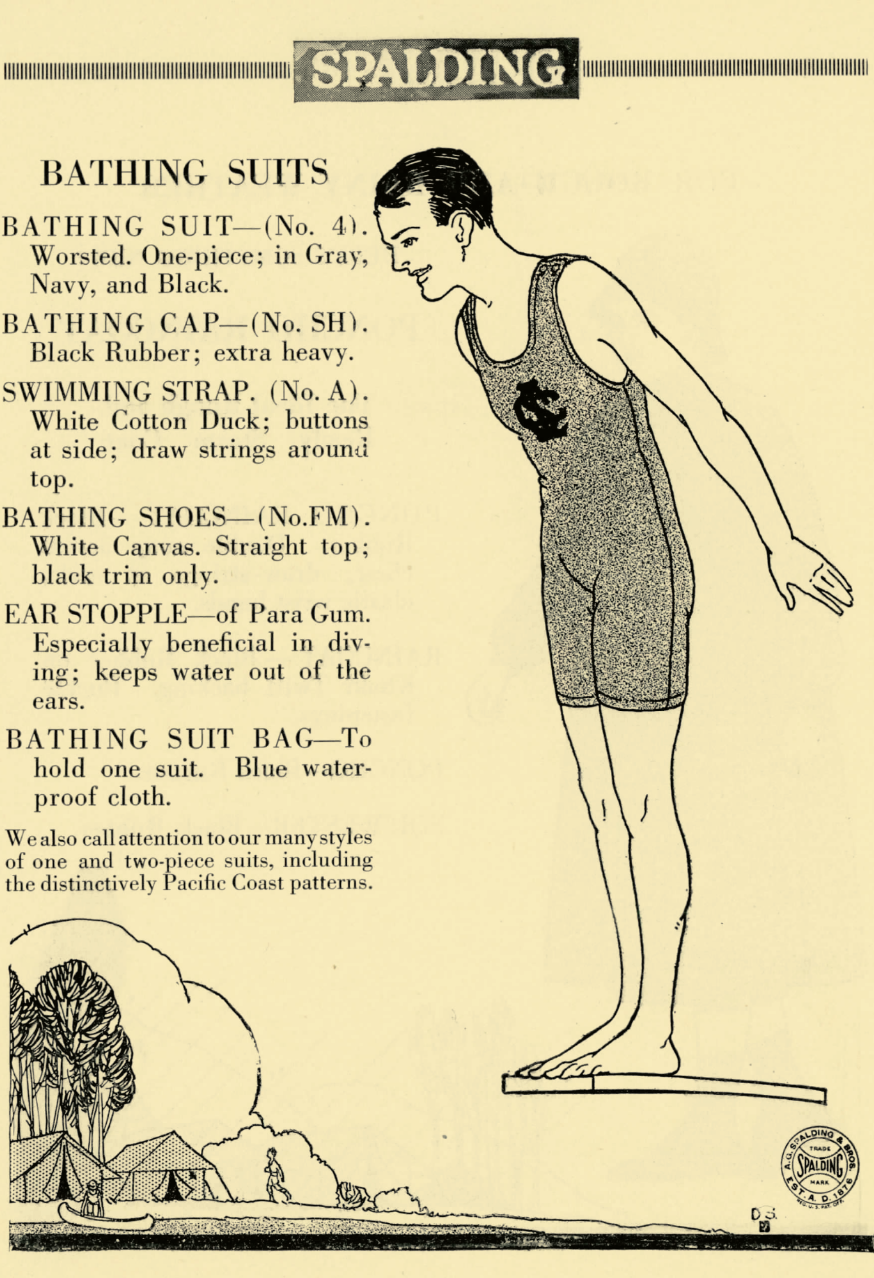
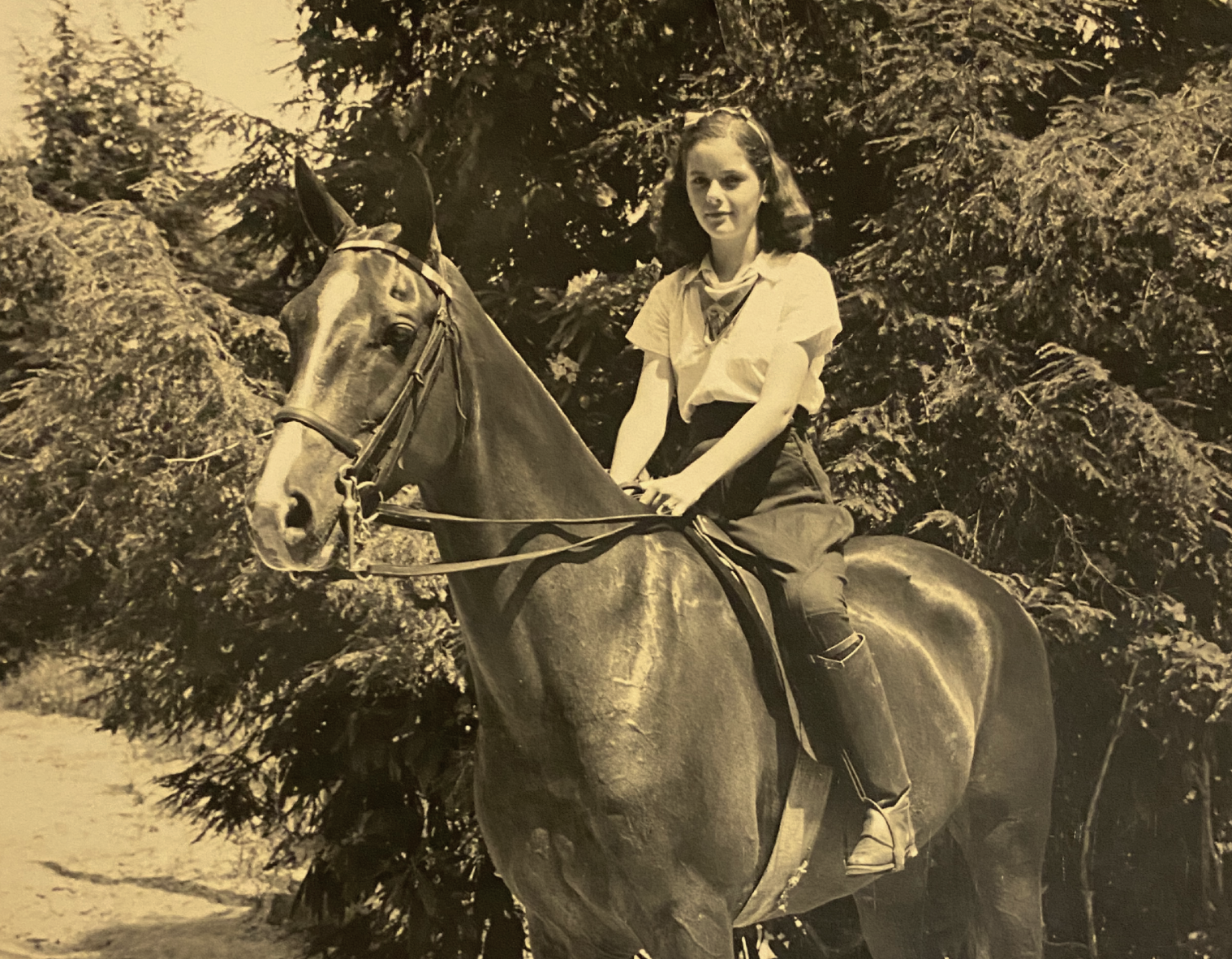
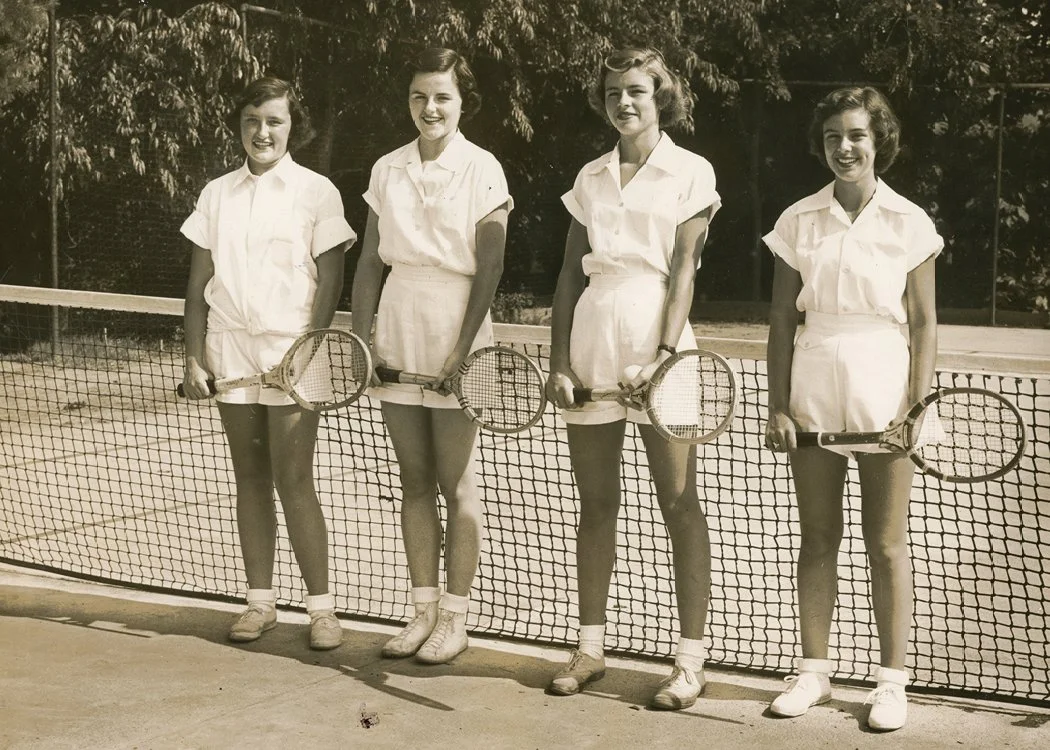
Clothing and uniforms at summer camps have varied over time, but required packing lists consistently included clothes suited for the outdoors and active movement. Early boys’ camp clothing consisted of t-shirts or tank tops with short pants and knee socks.
While it was easy to acquire athletic clothing for boys, girls at the time hiked, played tennis, and participated in sports dressed in skirts. Early girls’ camp directors recognized the need to set a uniform to ensure girls had appropriate clothes to be active and allow freedom of movement.
The standard for girls’ camp clothing was established: long wool bloomers, tall socks or stockings, a long-sleeved middy shirt, and tie. Middy shirts were styled after the classic white and blue sailor shirts worn by midshipmen with wide collars, blue ties, and a wide band across the bottom designed to remain untucked. Middies were generally white, while the color of bloomers typically reflected the camp’s colors. By the 1940s, bloomers gave way to shorts, middies became short-sleeved, and tall stockings went by the wayside.
By the 1960s, camp uniforms were declining in popularity, and campers mostly wore their own clothes. In the decades since, clothing at camps has generally followed overall trends in casual and athletic clothing, with few camps holding on to their traditional uniforms.
HAVE A LISTEN TO AN ORIGINAL CAMP SONG!
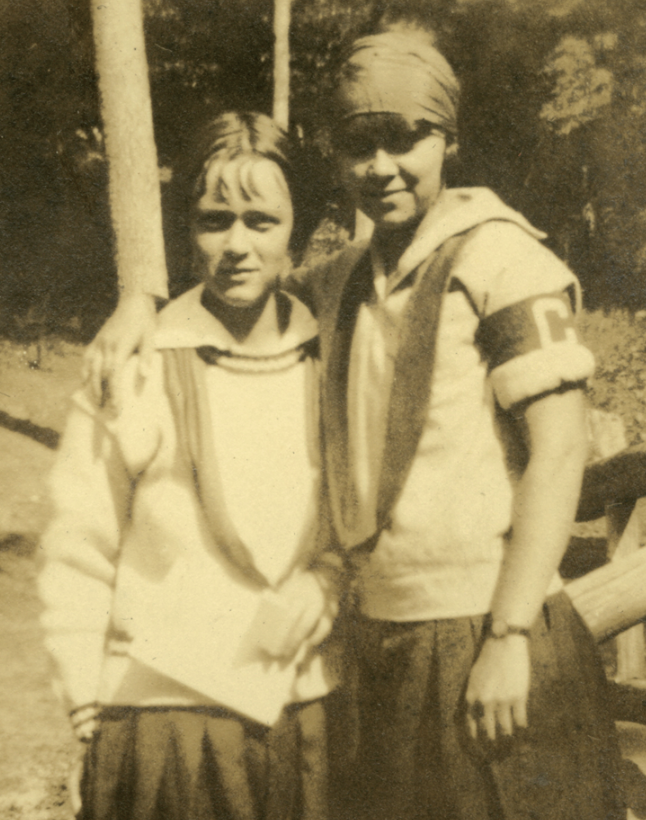
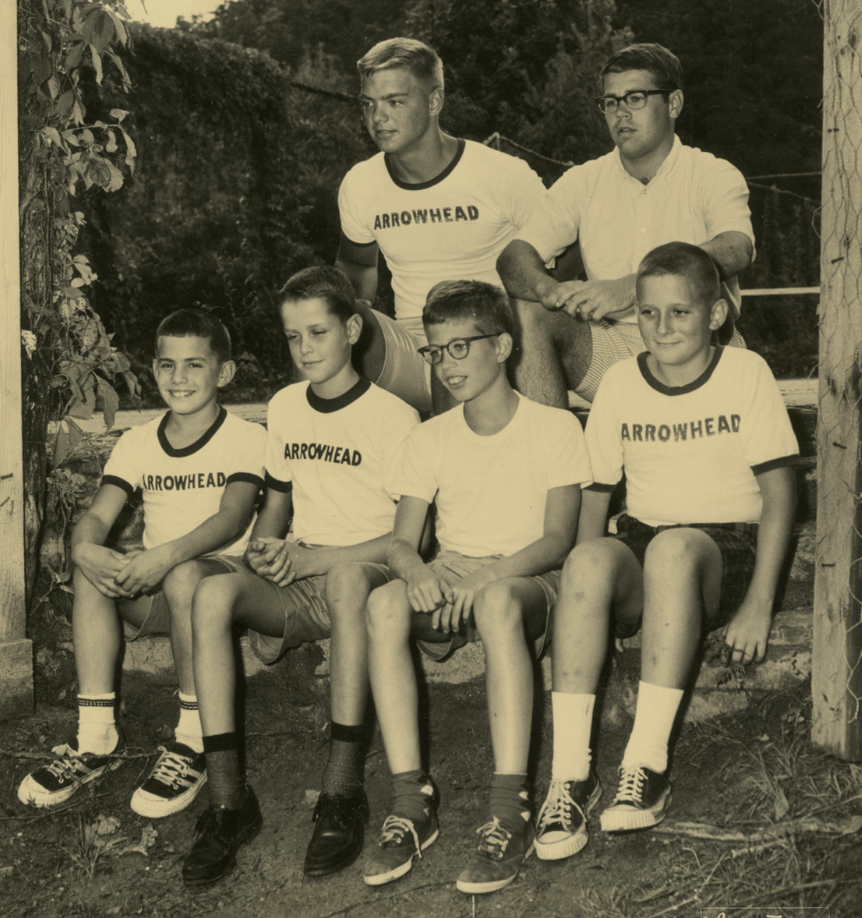
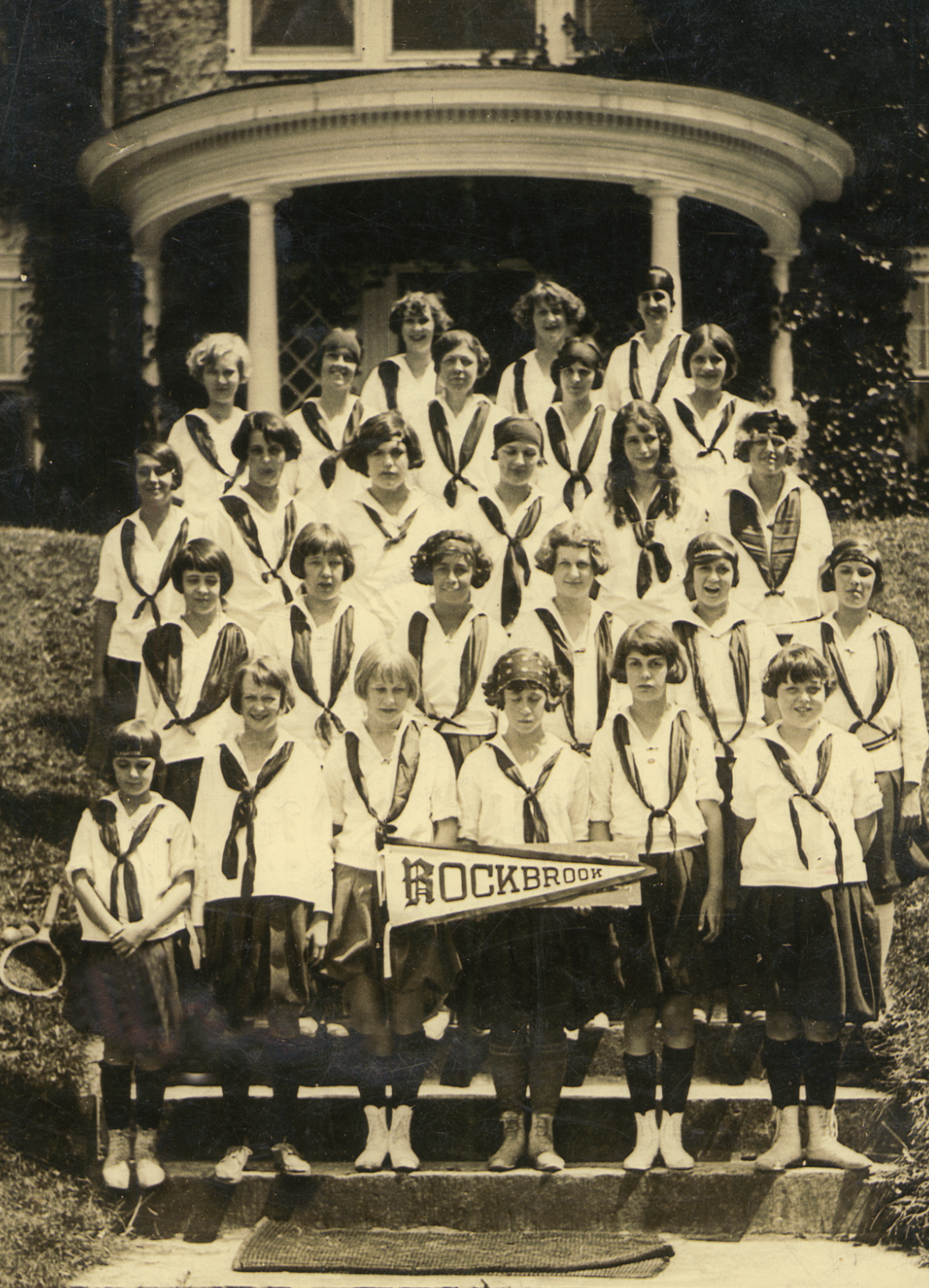
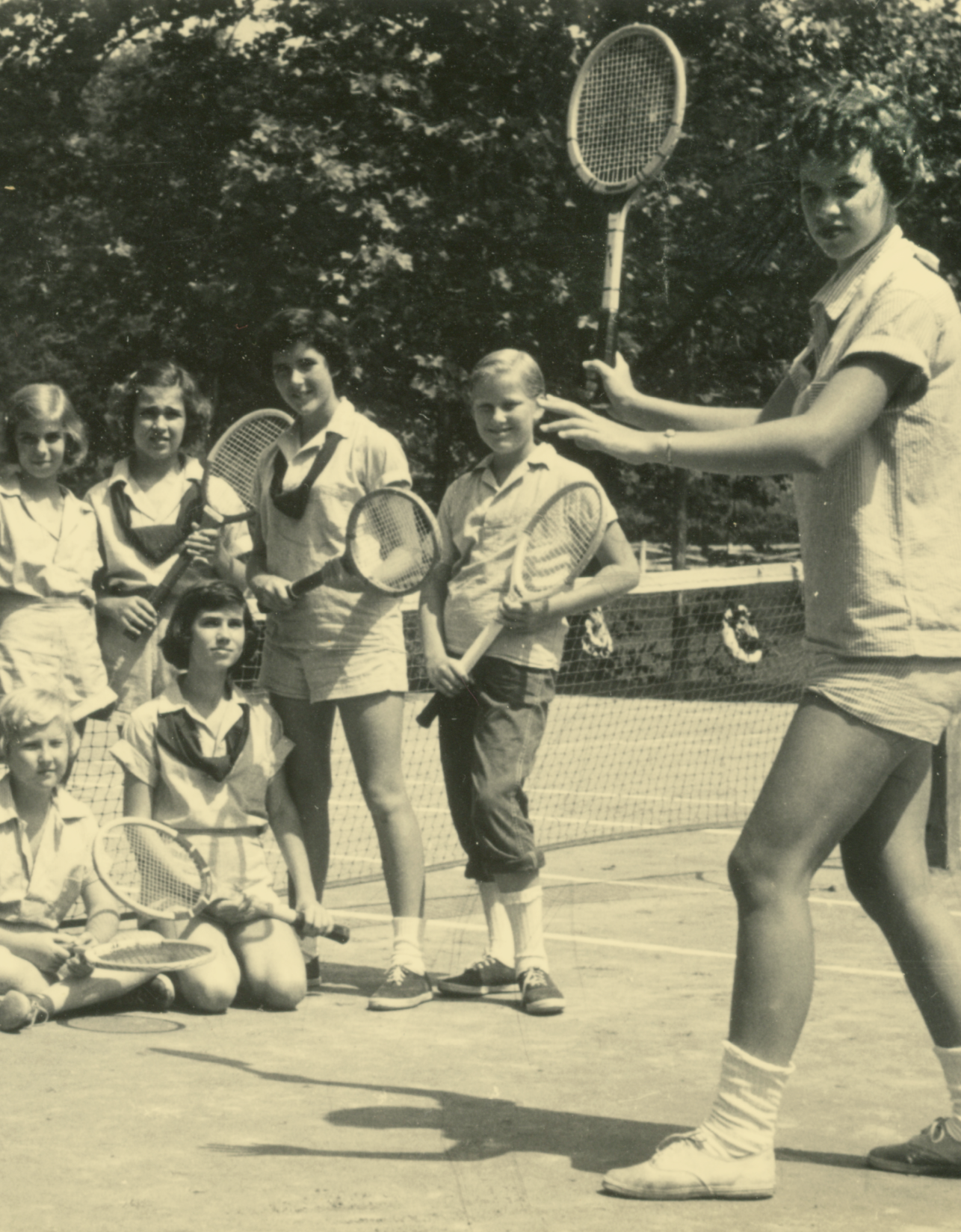
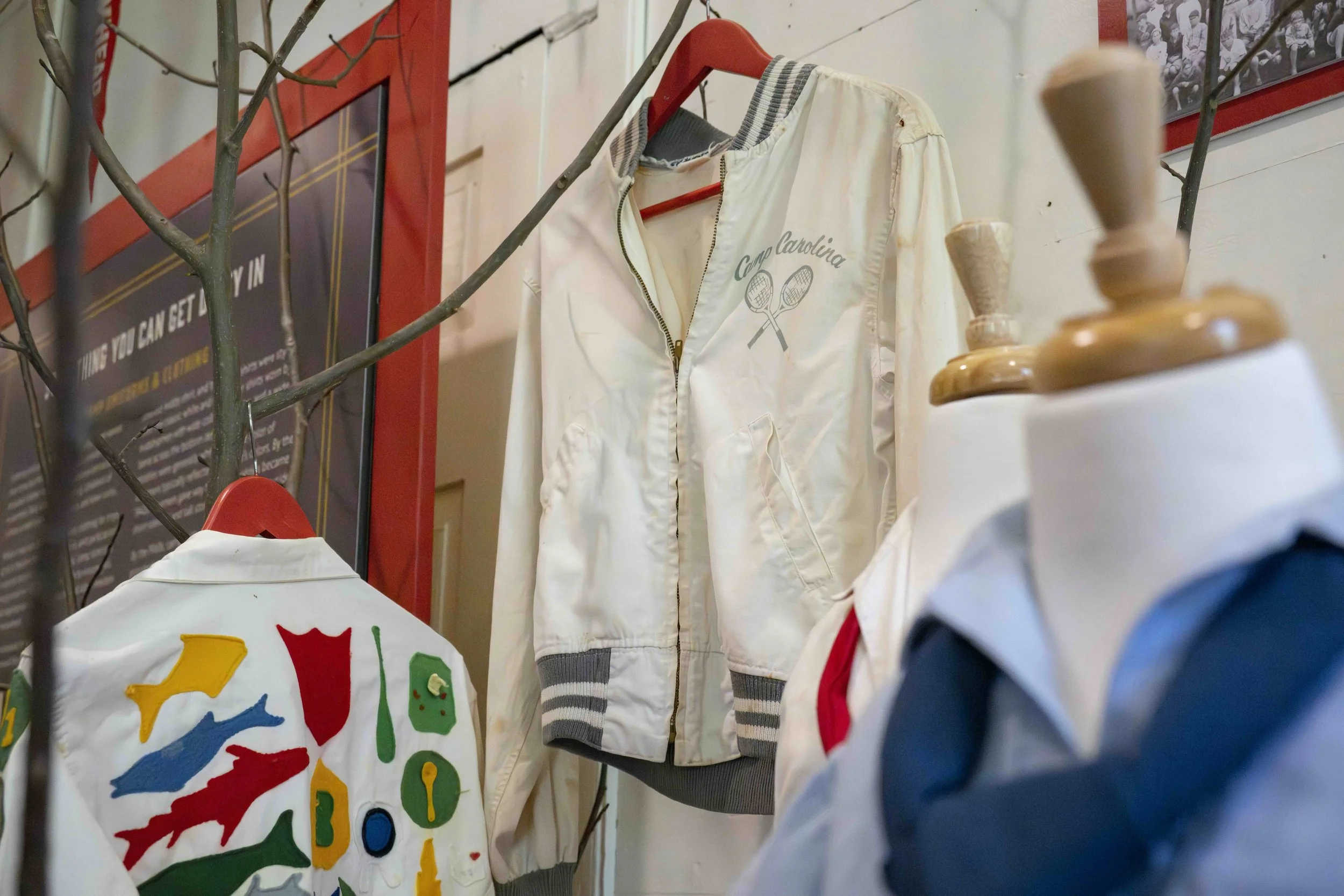
Camp clothing featured in the museum exhibit
NOT JUST FUN & GAMES
THE SERIOUSNESS OF PLAY IN CAMP ACTIVITIES
In the late nineteenth and early twentieth centuries, summer camps employed a loose structure of daily activities.
In the 1930s, mirroring a shift in child psychology, structured daily schedules were common with set instructional times for rotating activity periods. By the 1950s, most camps adopted a strict schedule that included waking up to the sound of a bugle or bell, breakfast, morning assembly, morning activity periods, lunch, rest hour, afternoon activity periods, dinner, evening program, and lights out.
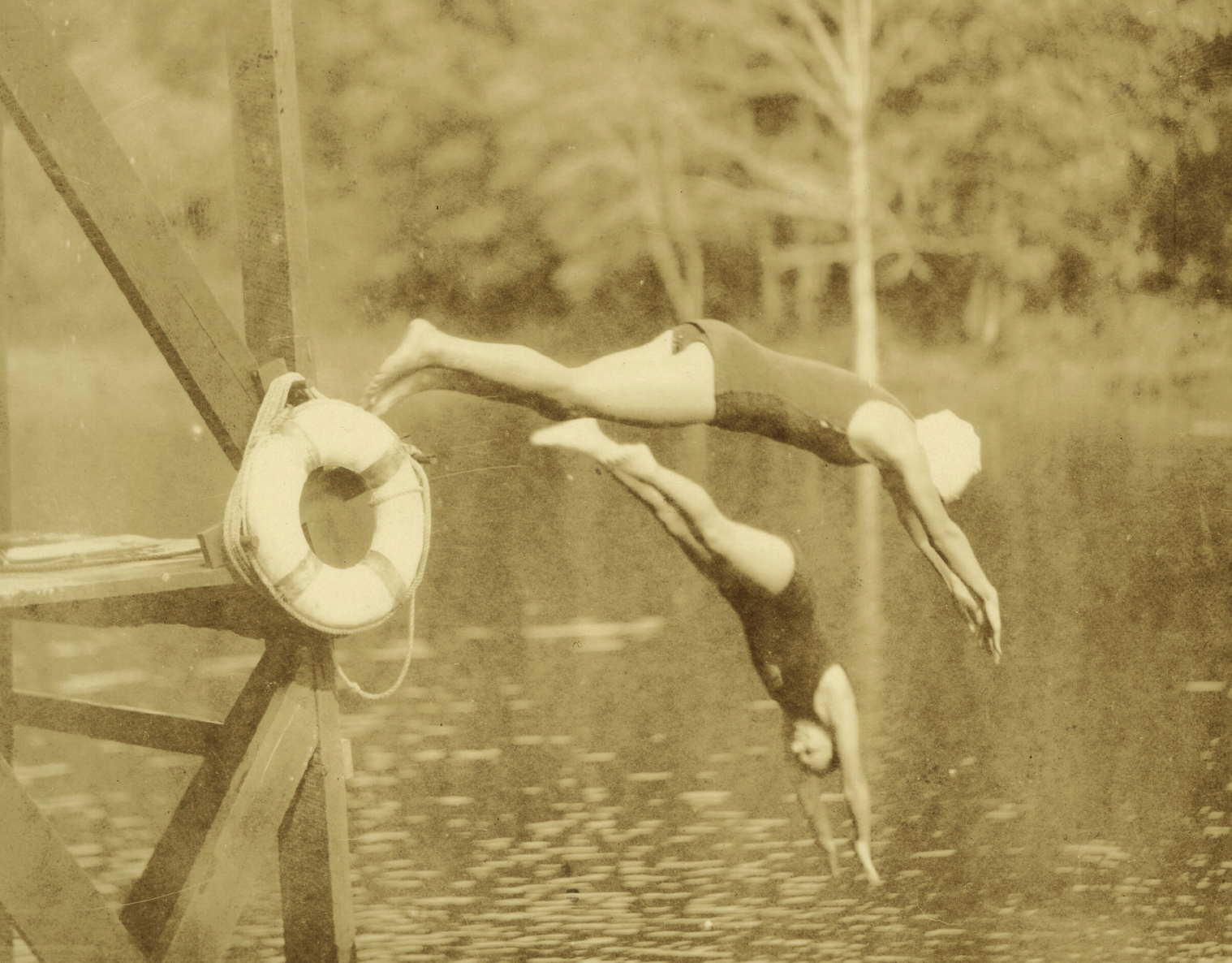
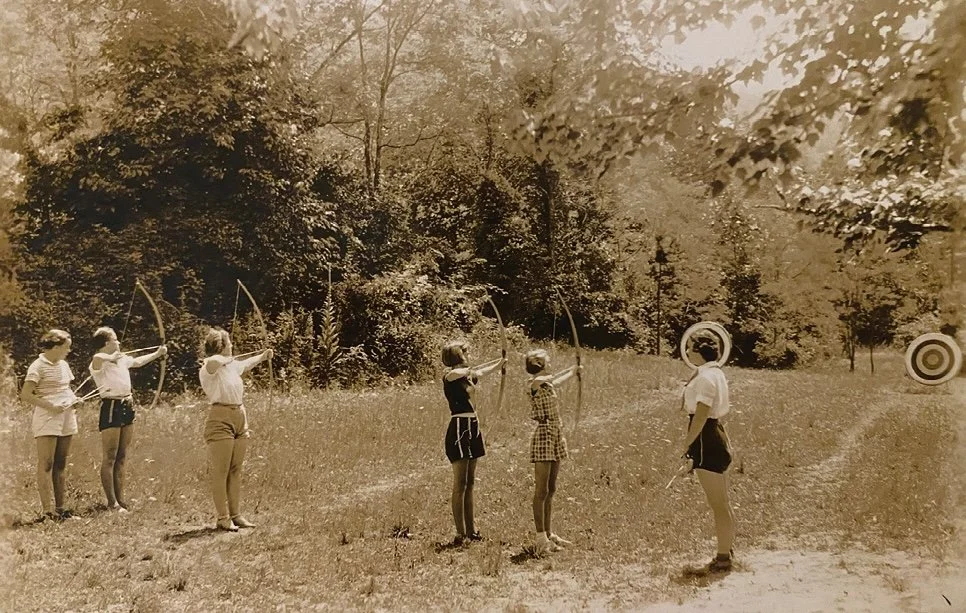
The waterfront was the hub of outdoor activities, including boating, swimming, and diving. Many camps required campers to learn to swim and pass Red Cross certified swimming levels. Other athletic offerings varied by camp, including archery, baseball, tennis, riflery, and horseback riding. Traditional arts and crafts included weaving, basketry, woodworking, jewelry making, metalwork, and pottery. Nature classes encouraged children to explore the natural world around them, and tripcraft gave campers the outdoor skills needed for overnight hikes and trips out of camp.
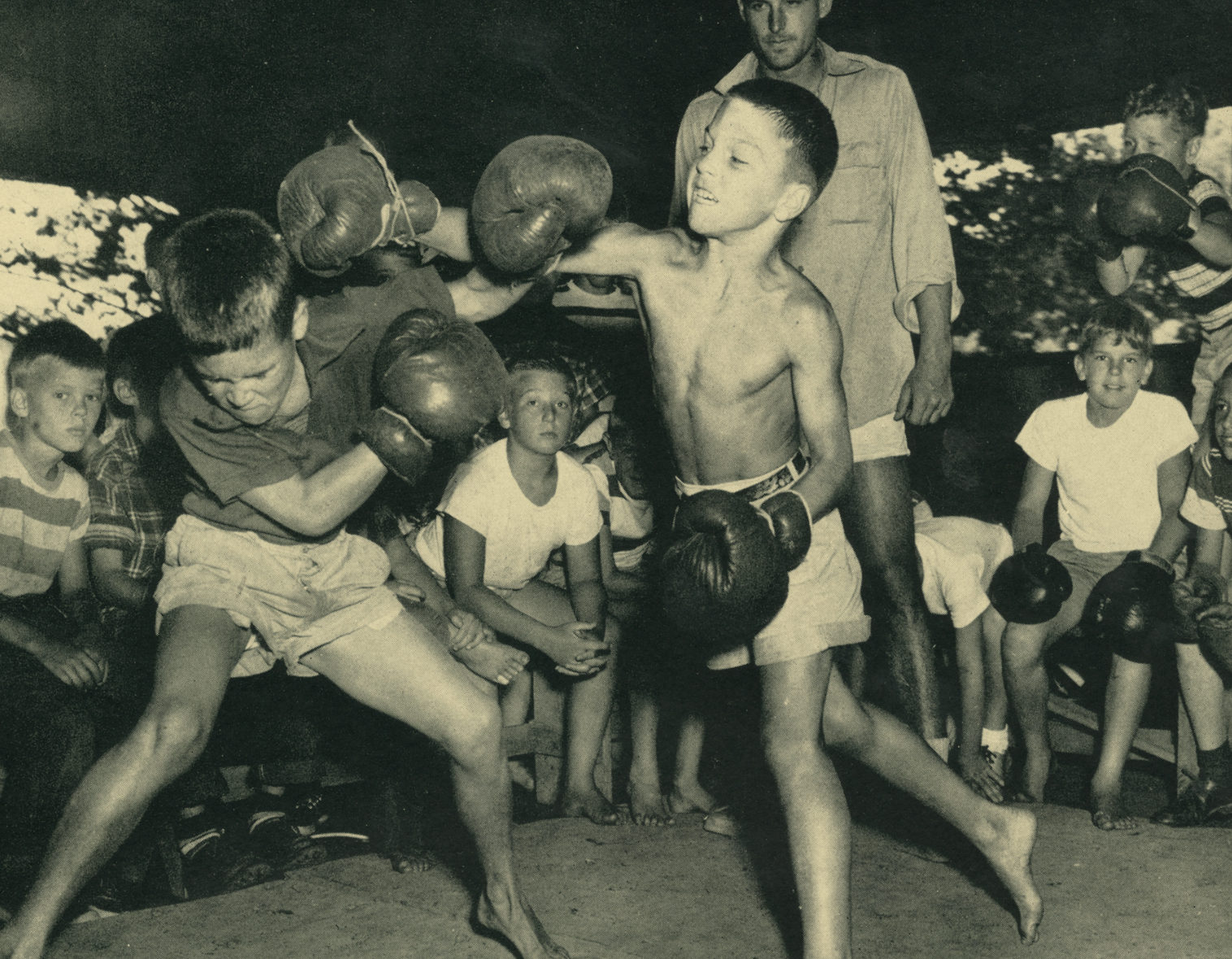
When girls’ camps became popular in the 1920s, most activities offered at boys’ camps were replicated for the girls with a few exceptions. Boxing remained an activity found solely at boys’ camps, and dancing and dramatics were found more commonly at girls’ camps.
HAVE A LISTEN TO AN ORIGINAL CAMP SONG!
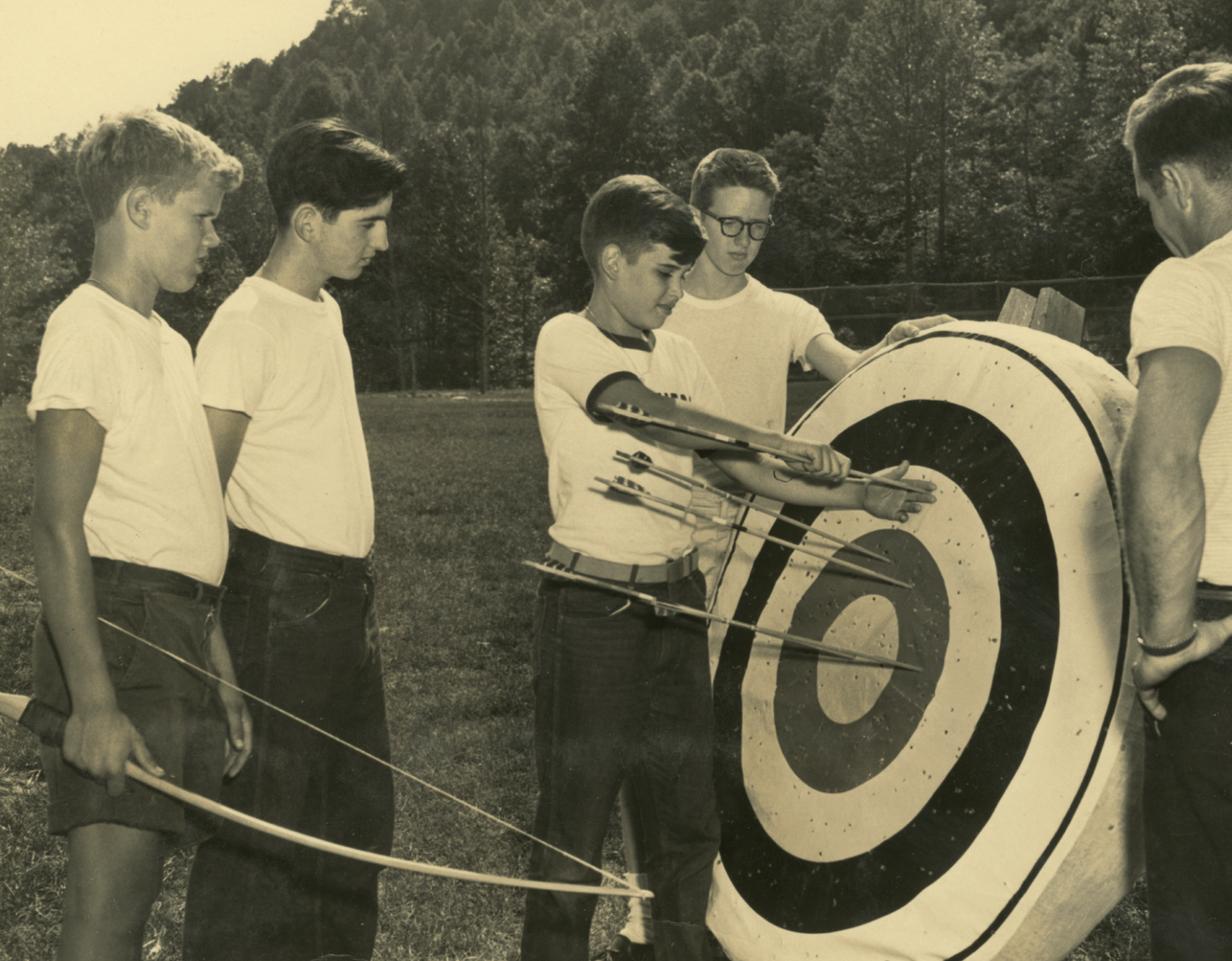
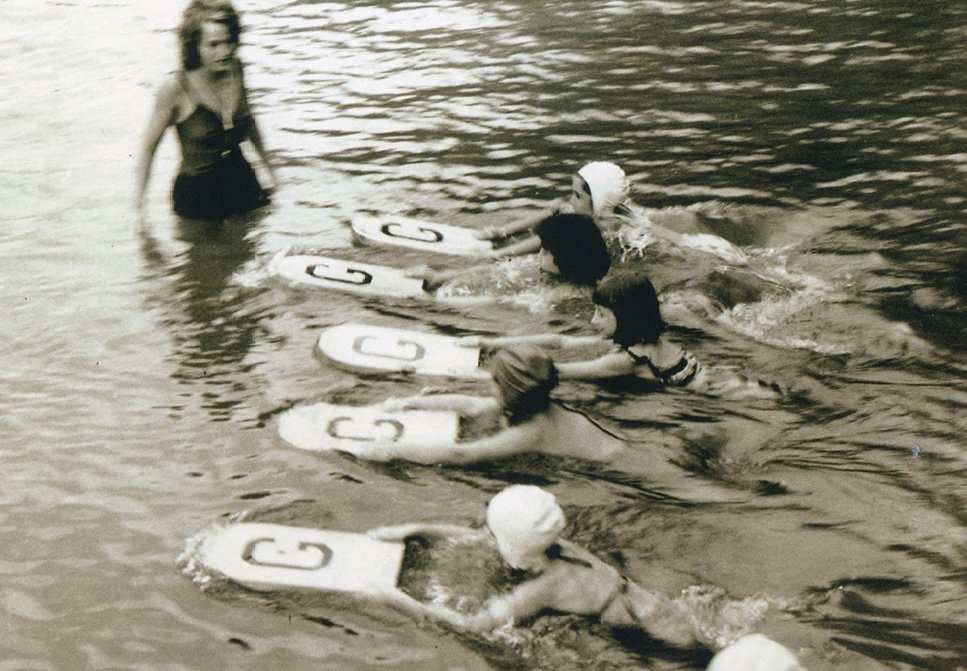
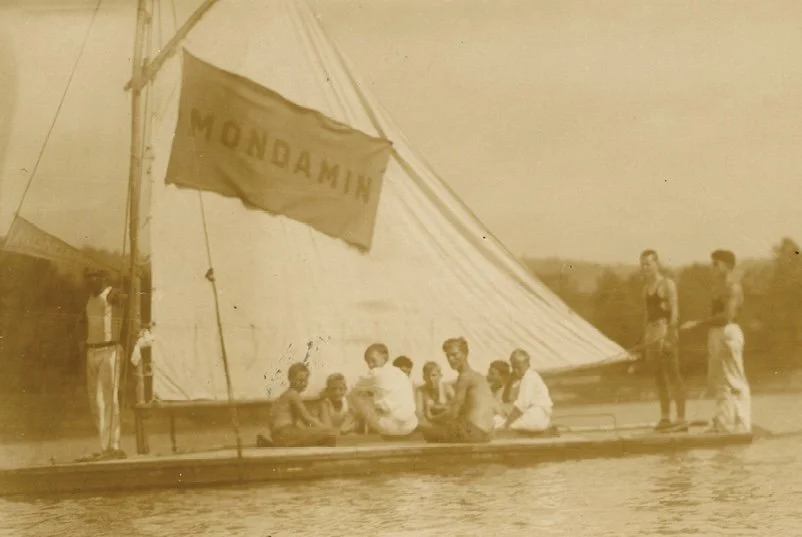
Film clips from Camp Merrie-Woode, Camp High Rocks, Camp Blue Star, Camp Arrowhead, and Camp Junaluska, c. early to mid-20th century
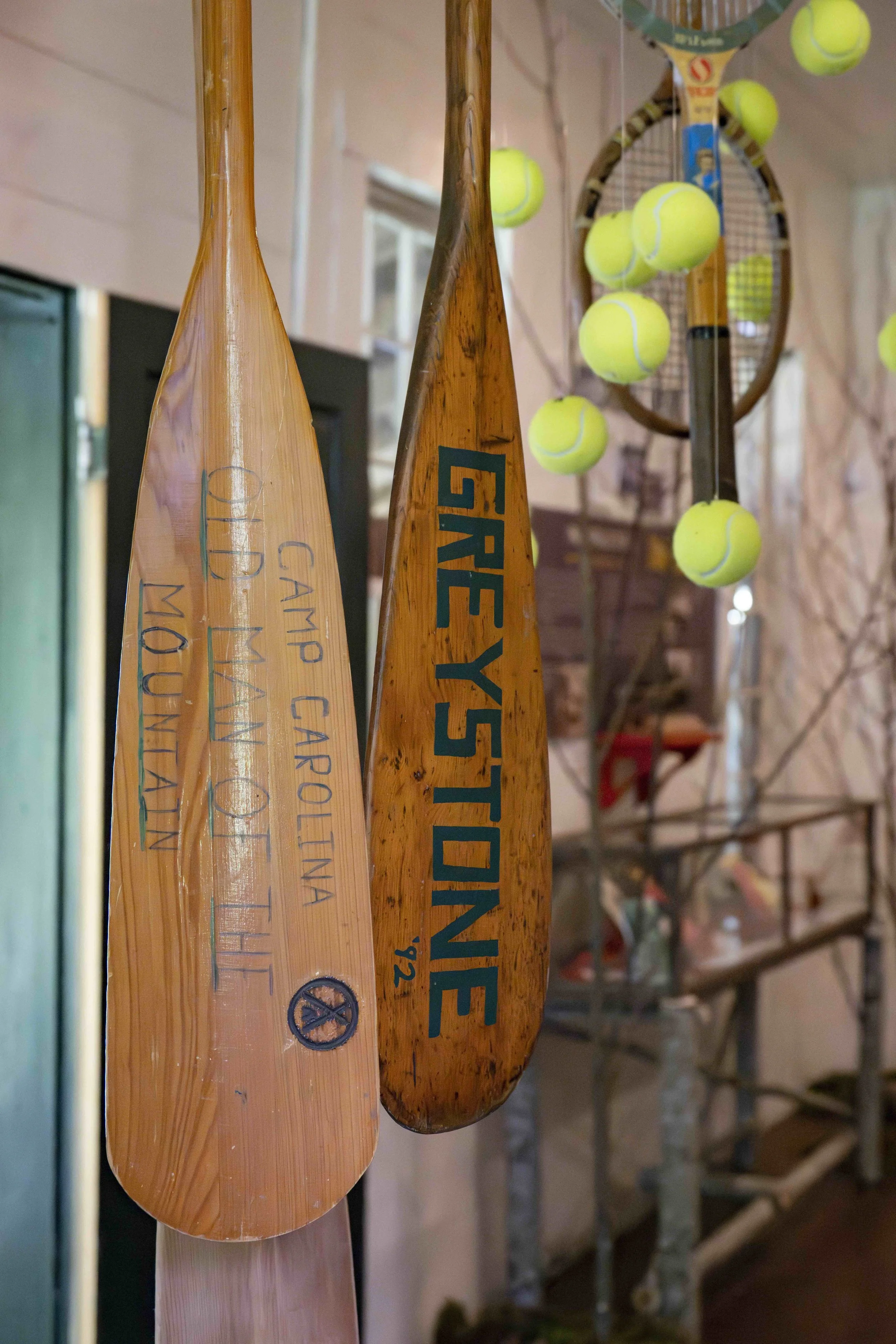
Scene from the museum exhibit. Canoe paddles, c. 20th century
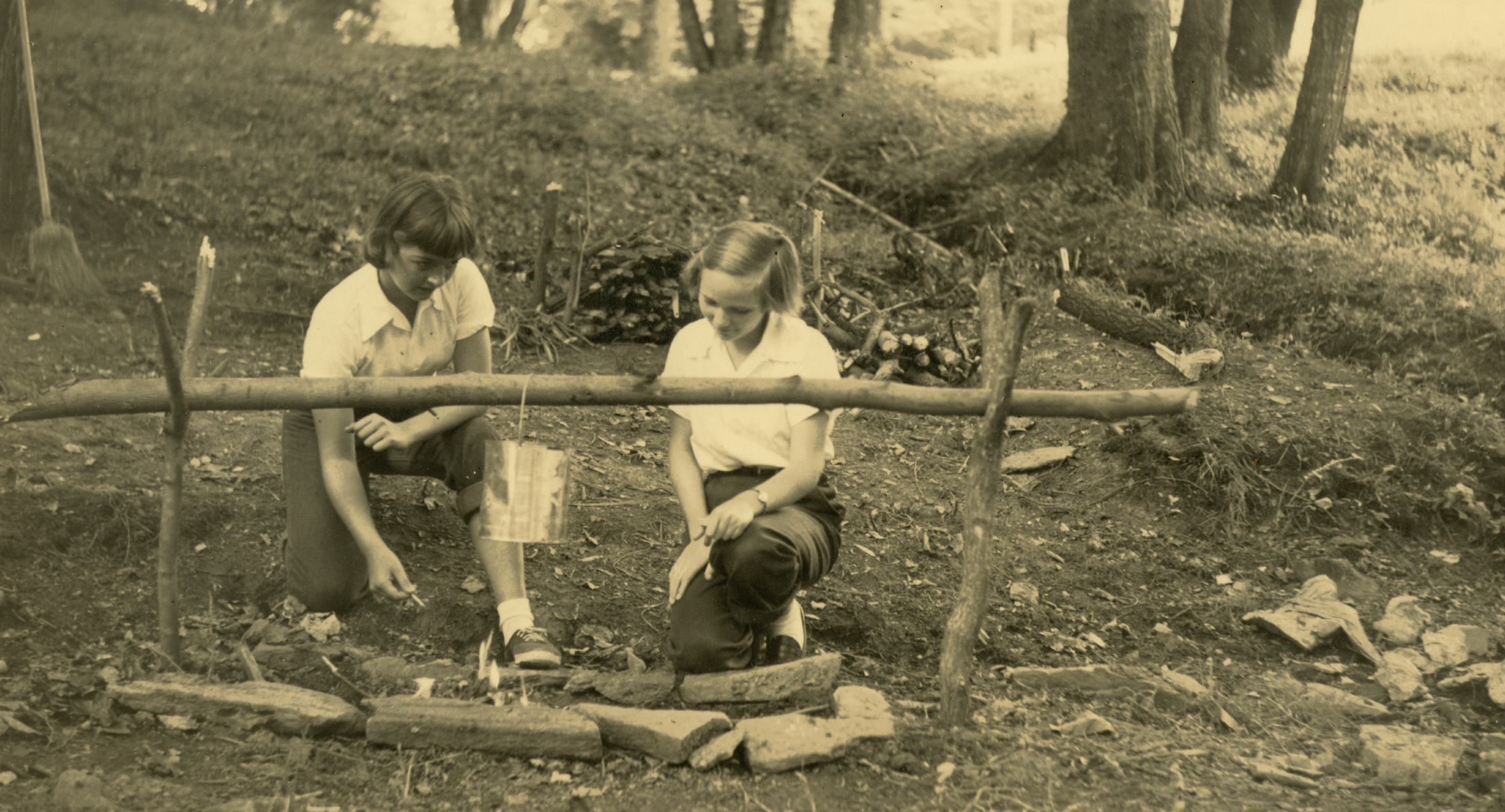
Campers from Camp Junaluska (Lake Junaluska, NC) cook over the fire on a hiking trip, c. 1950
Film clips from Camp Merrie-Woode, Camp High Rocks, Camp Junaluska, and Camp Arrowhead, c. early to mid-20th century
HAVE A LISTEN TO SOME ORIGINAL CAMP SONGS!
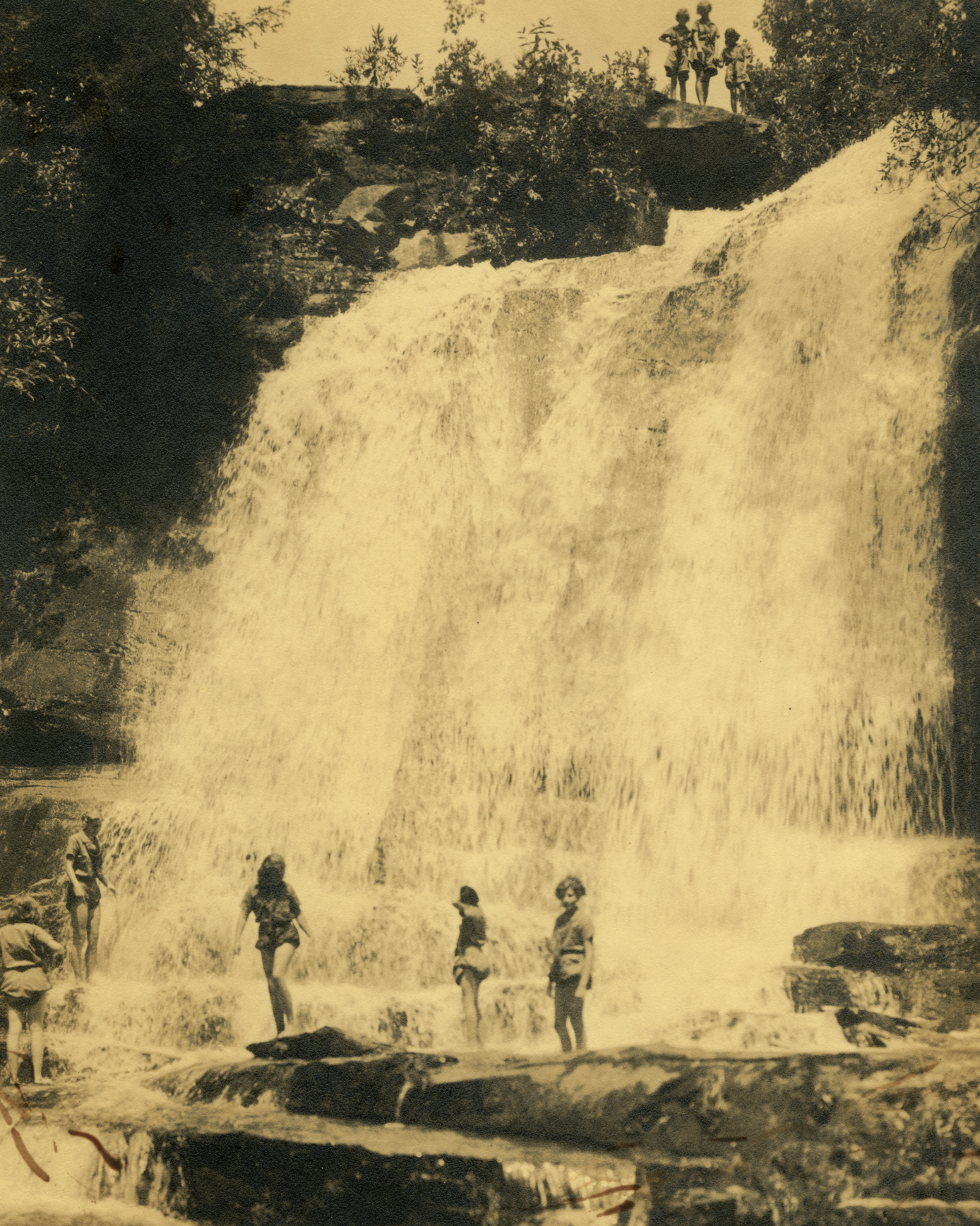
Campers from Rockbrook Camp (Brevard, NC) explore the waterfalls, c. 1930s
EXPLORING MOUNTAIN
PEAKS & RIVER RAPIDS
OUT OF CAMP TRIPS
Hiking, canoeing, and horseback riding were staple activities. Campers explored many of the peaks, rivers, and trails of western North Carolina. Hiking trips included sites close to the camps, but also further destinations that required a drive to the trailhead. For generations, campers in this region could often be found hiking Whiteside Mountain and Panthertown Valley, as well as Pisgah National Forest and the Great Smoky Mountains National Park.
Campers descended upon the region’s rivers, paddling the Chattooga, Tuckaseegee, French Broad, Nantahala, and others. In the 1920s, camper magazines from Rockbrook Camp (Brevard, NC) detailed horseback riding trips through Toxaway and Sapphire.
Can you imagine these journeys through dense forests before Highway 64 was paved?
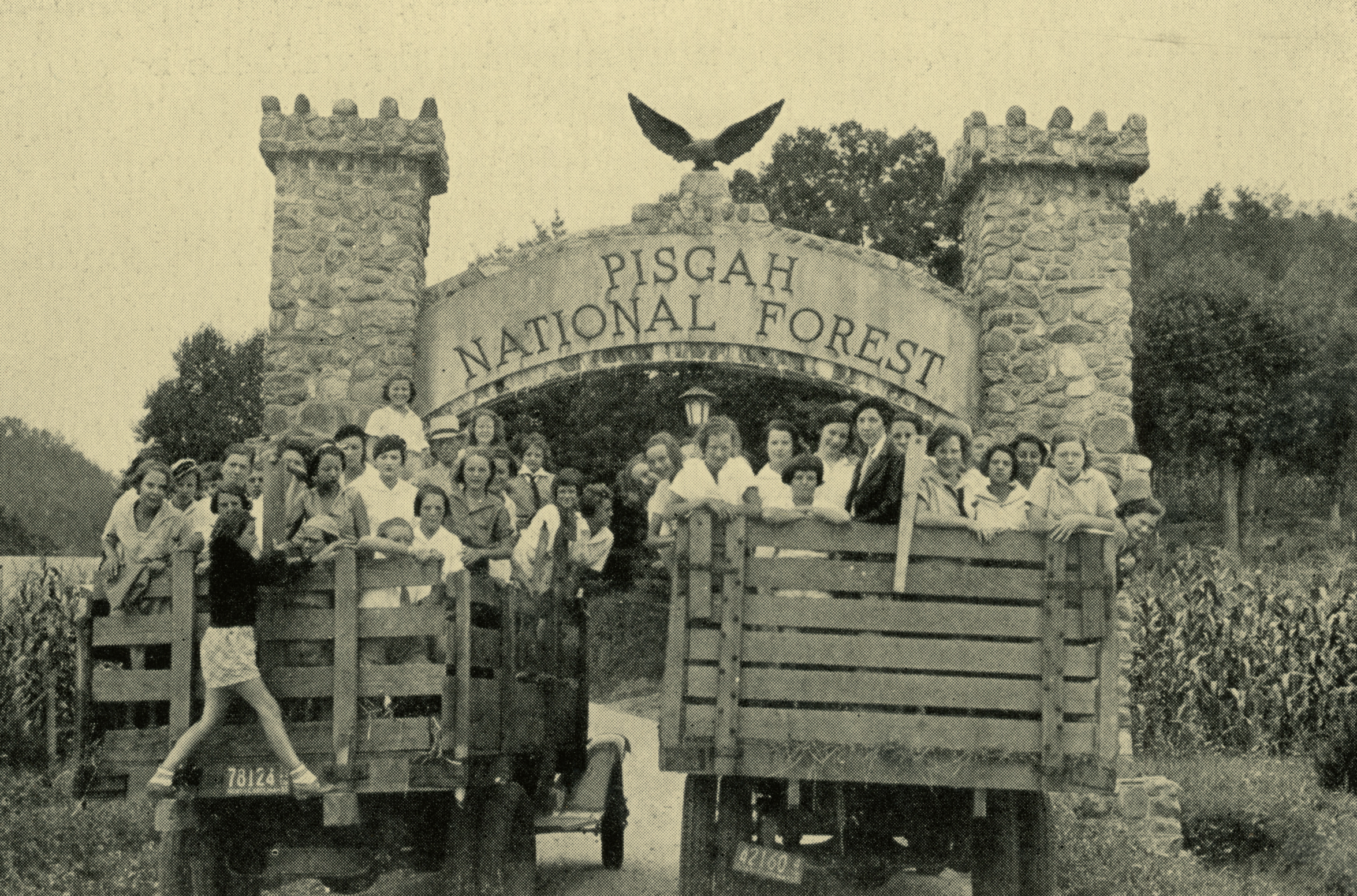
Camp Greystone (Tuxedo, NC) campers at the entrance to Pisgah National Forest, c. 1930s–40s
MAIL CALL!
LETTERS TO AND FROM CAMP
Mail has always been an important part of camp life. Throughout much of the twentieth century, letters and postcards were the only form of communication between campers and the outside world. Campers relied on mail for updates on life at home and also for national and global news.
In more modern times, other forms of communication became available. In the 1990s, some camps allowed printed faxes to be delivered to campers’ mailboxes. Today, mail is still just as significant at camp as ever. Though most camps now allow campers to receive printed emails, outgoing communication is still reserved for mail sent through the post. Current campers report that nothing compares to a handwritten letter from home.
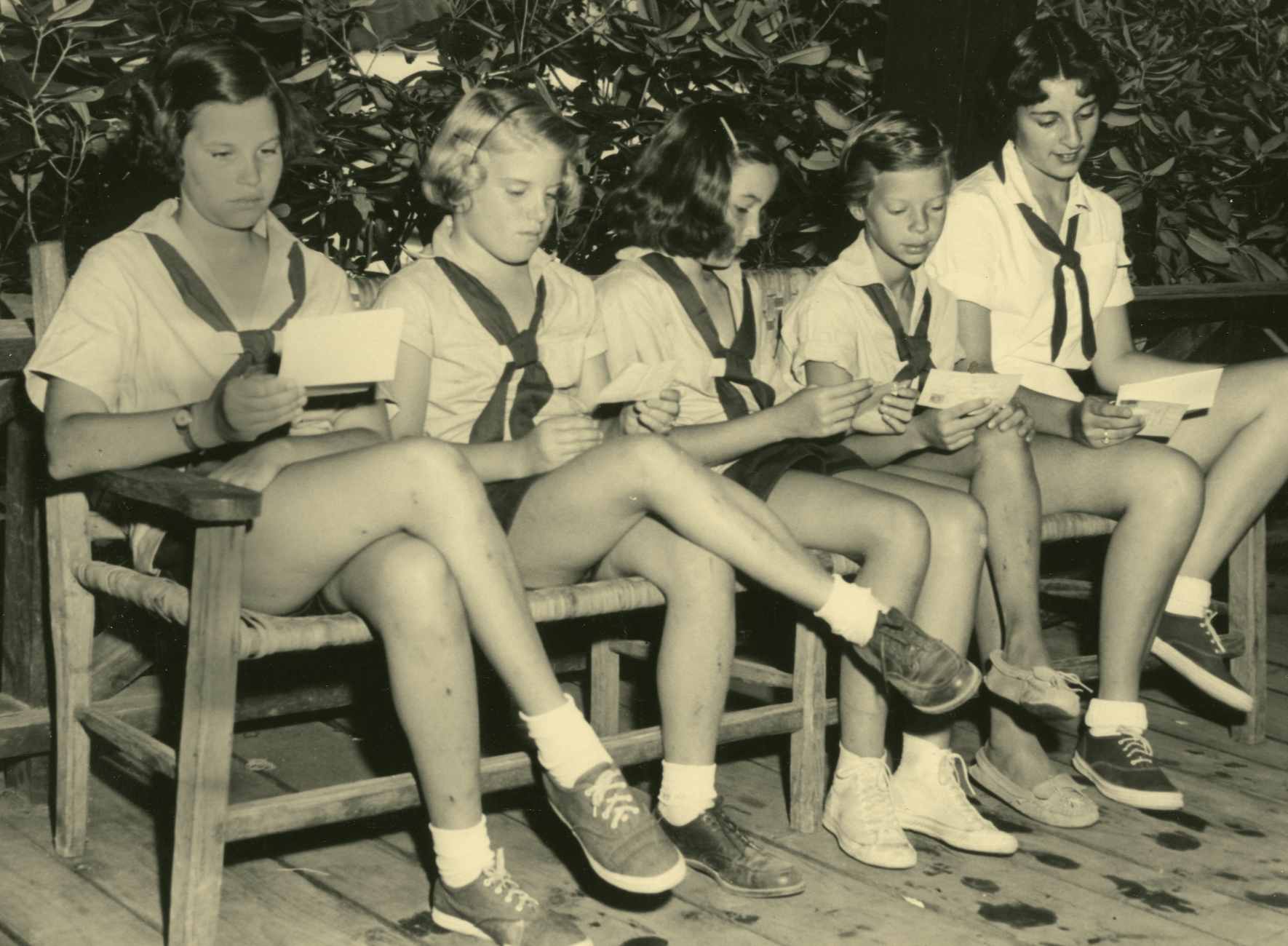
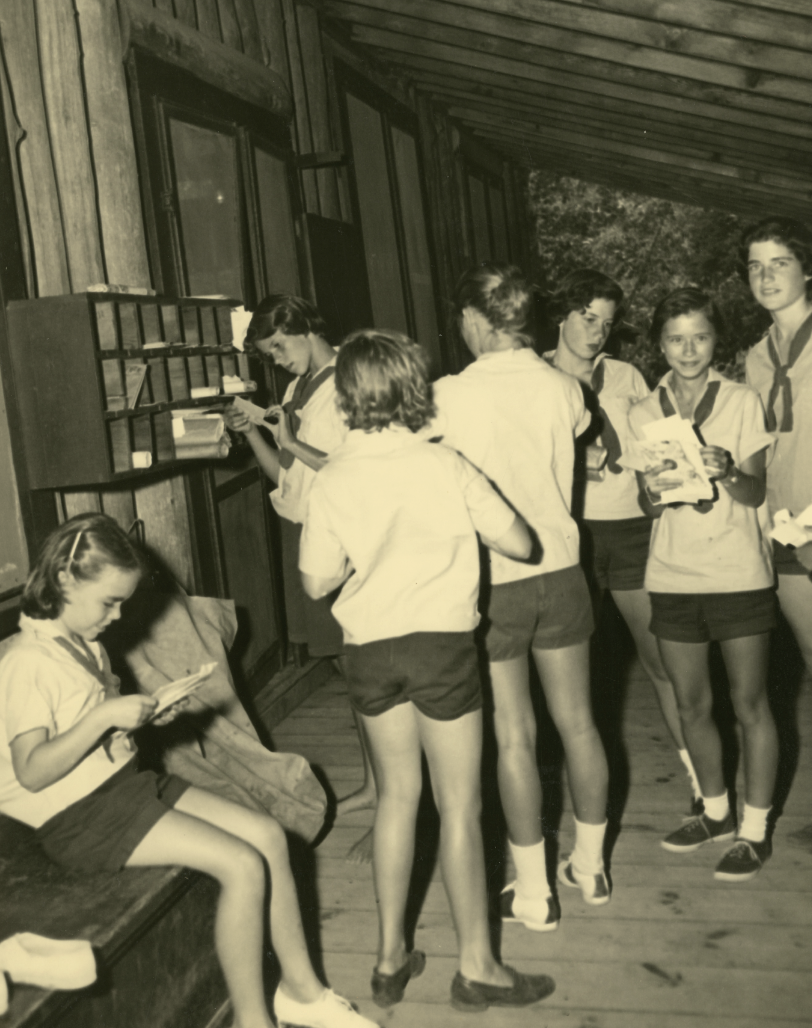
Campers check their mail at Camp Merrie-Woode (Sapphire, NC), c. 1960s. Incoming mail was sorted into a communal camper mail box with spaces divided by the first letter of their last names.
“I haven’t listened to a radio or read a newspaper since I’ve been here. If we win the war or anything, write and tell me!”
— From a Camper’s LETTER, Camp Merrie-Woode, 1942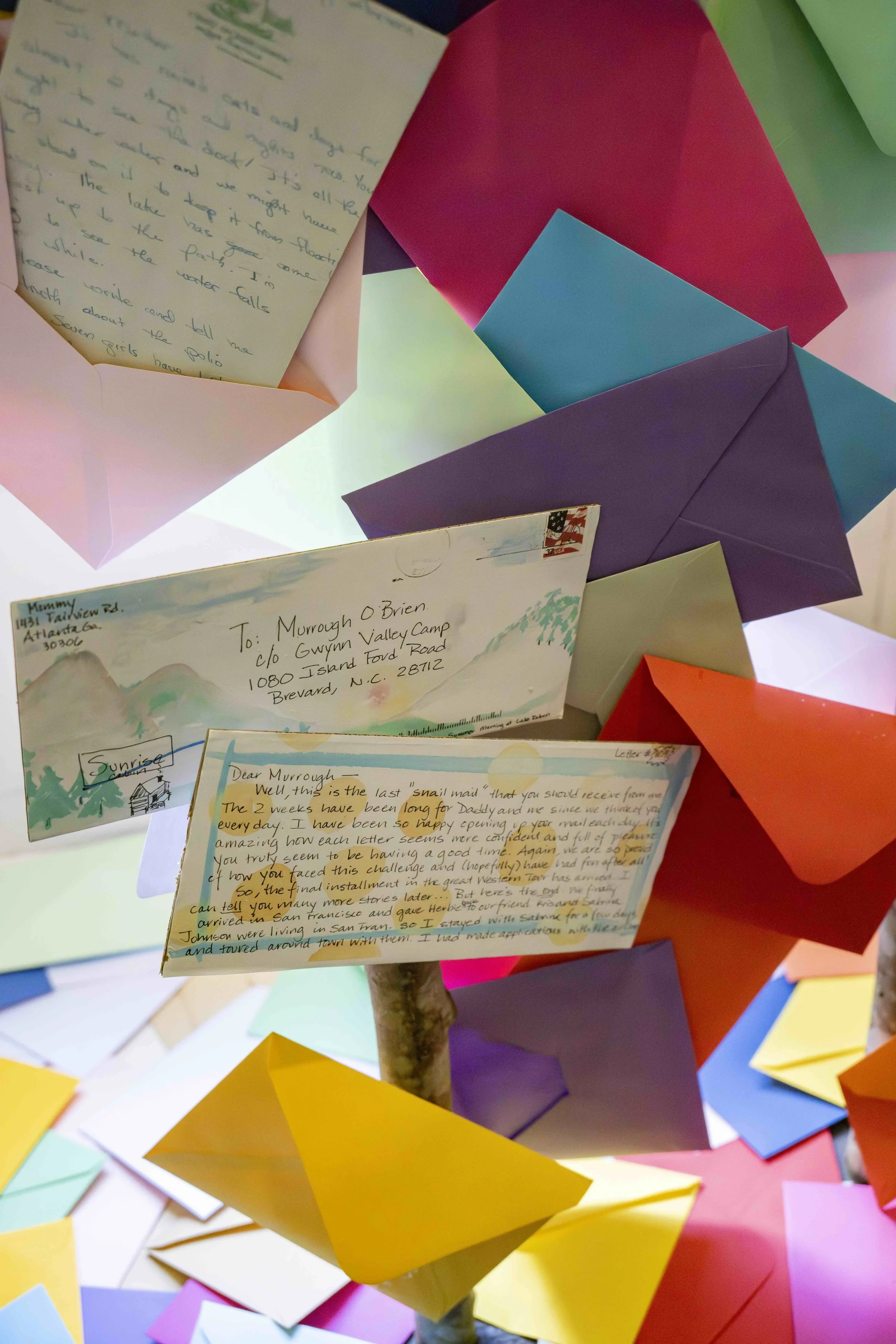
Scene from the museum exhibit
FROM REVEILLE TO TAPS
CAMP SONGS THROUGH DAY & NIGHT
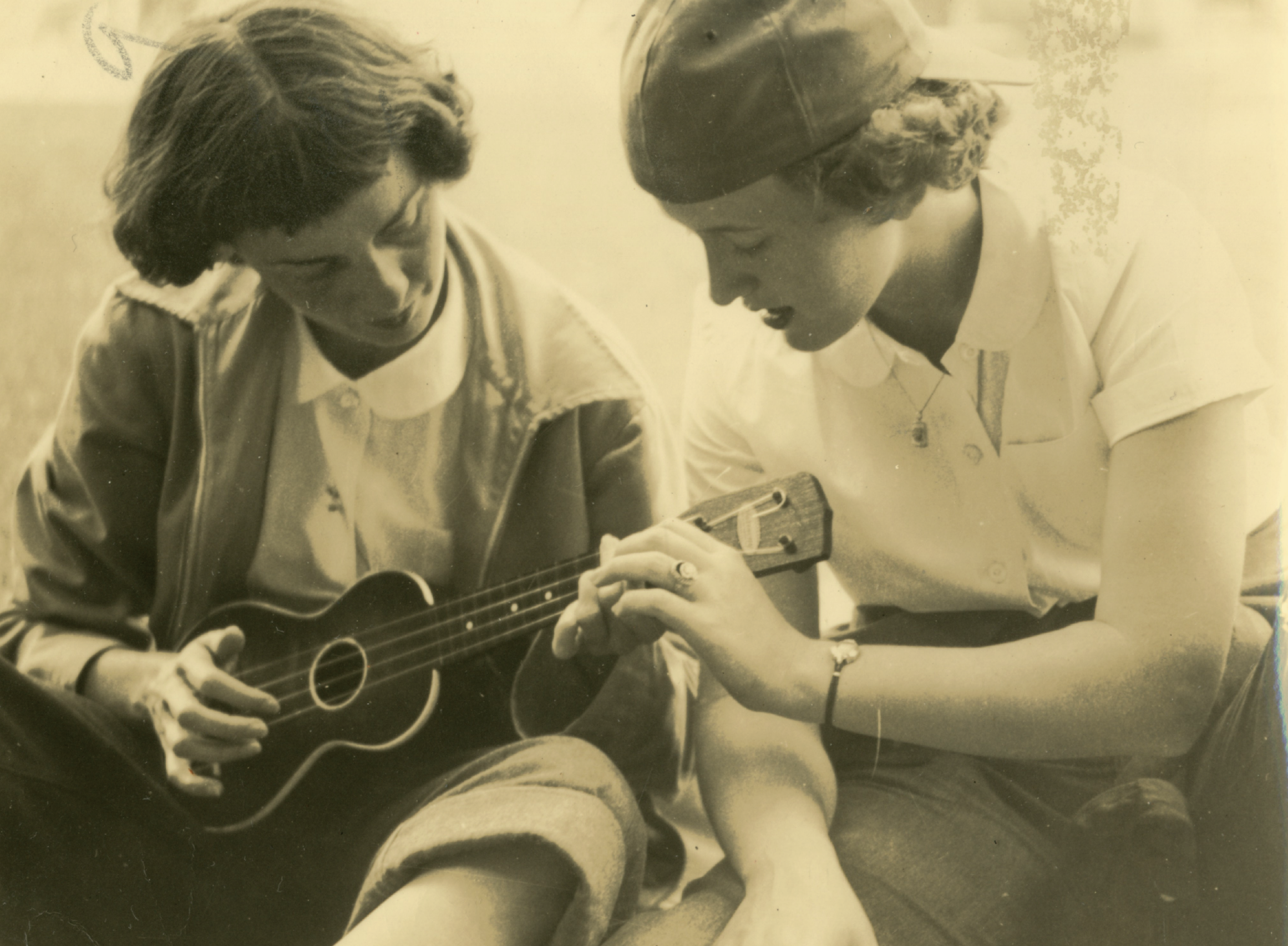
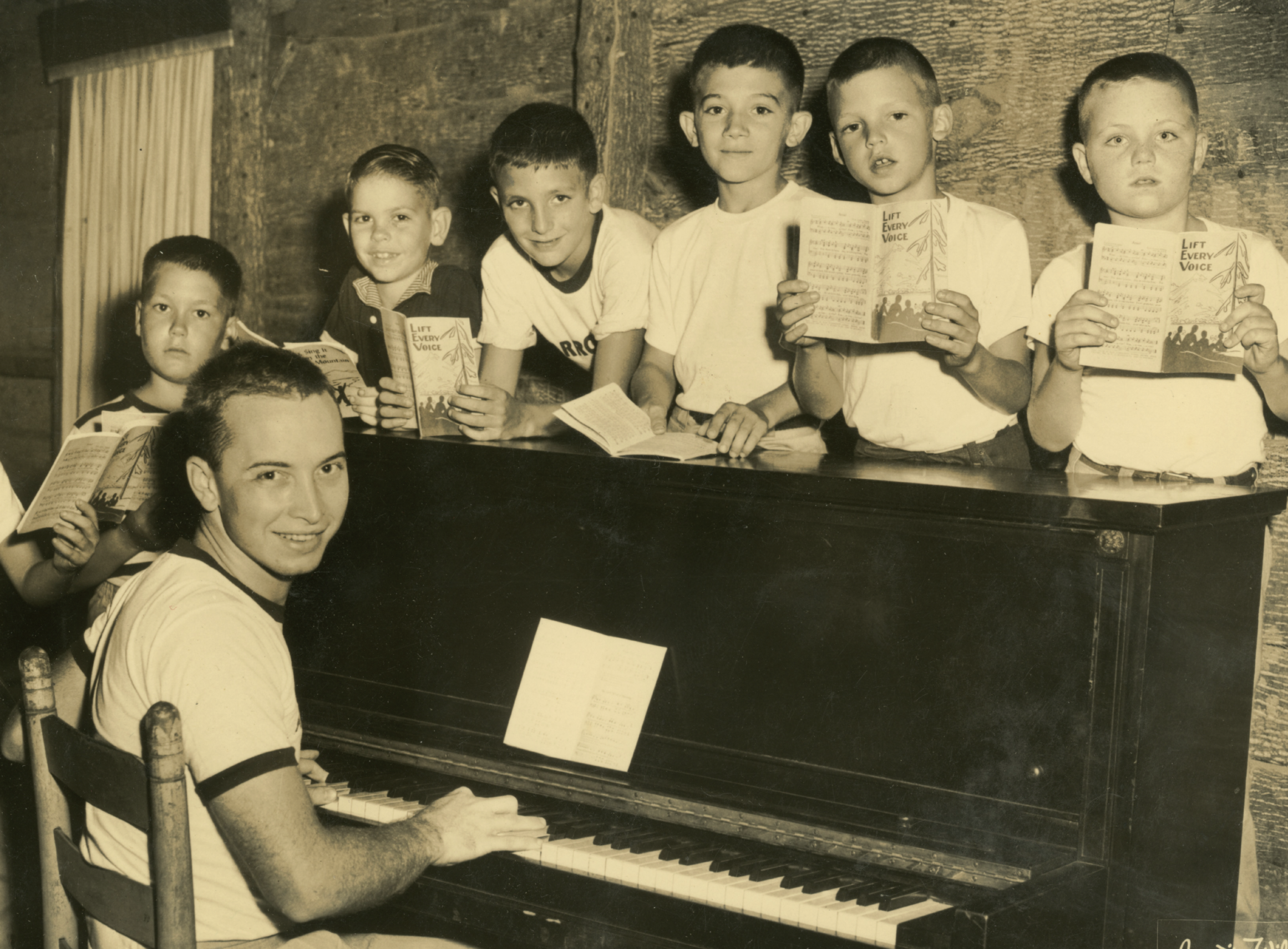
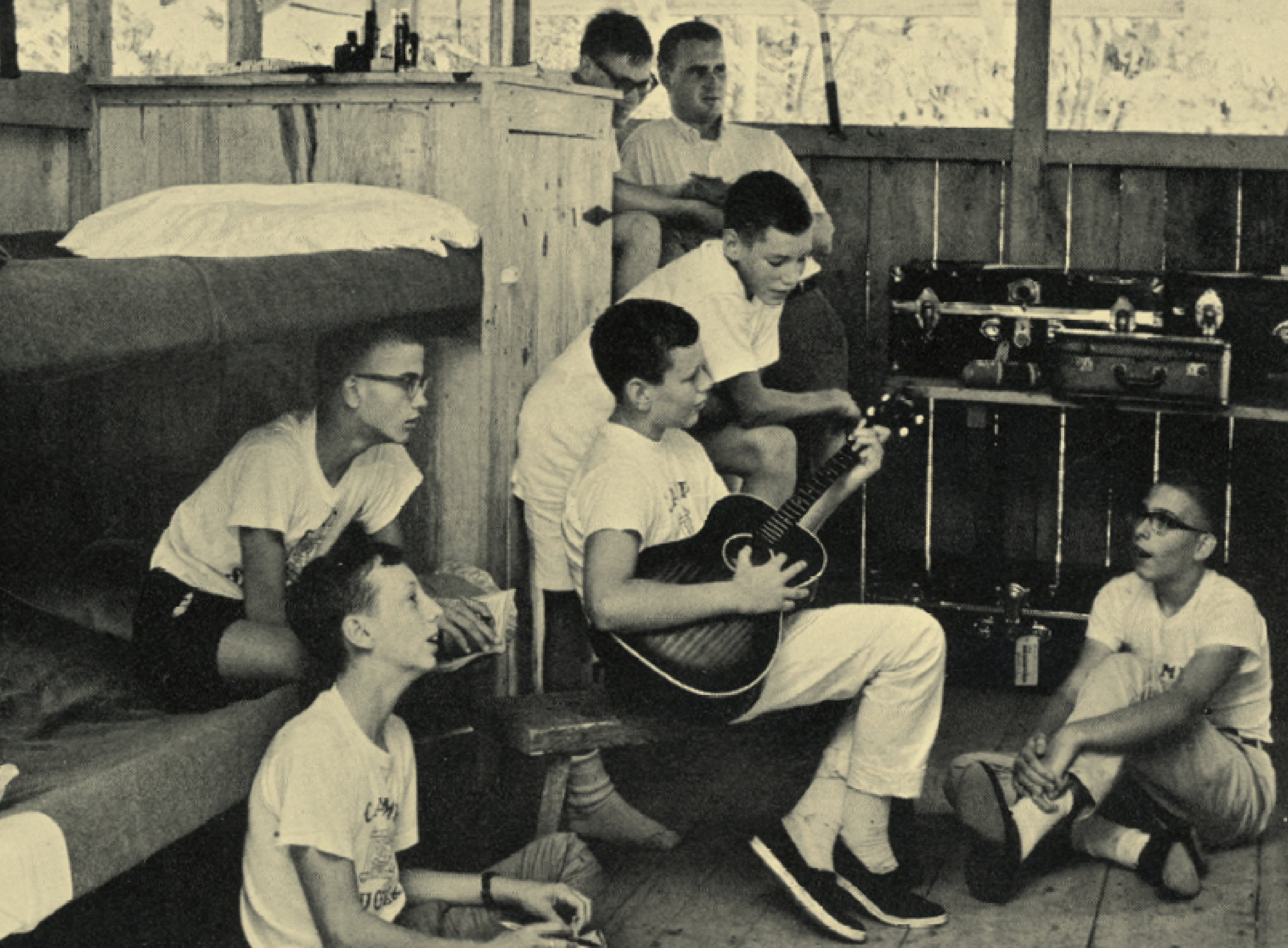
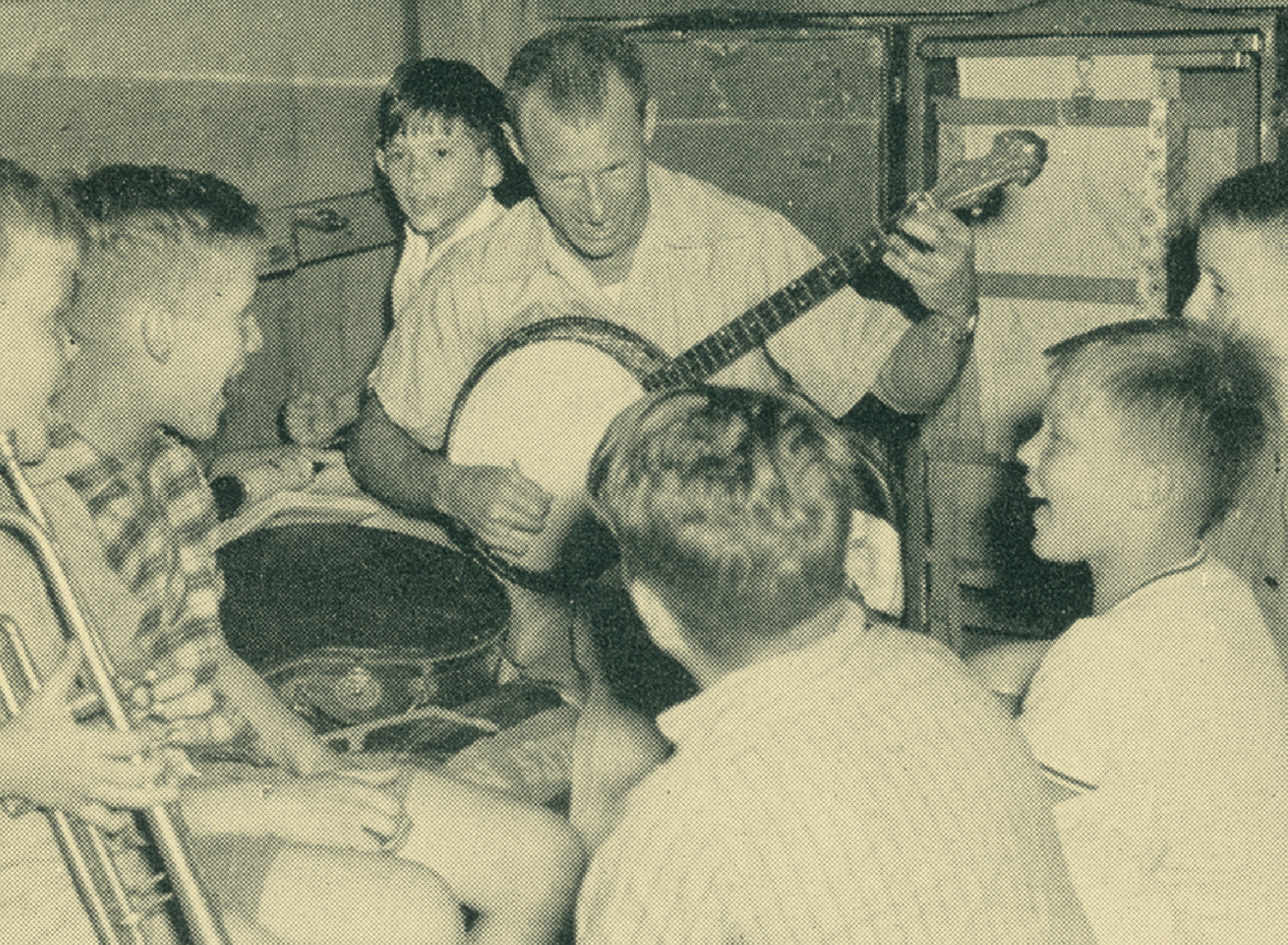
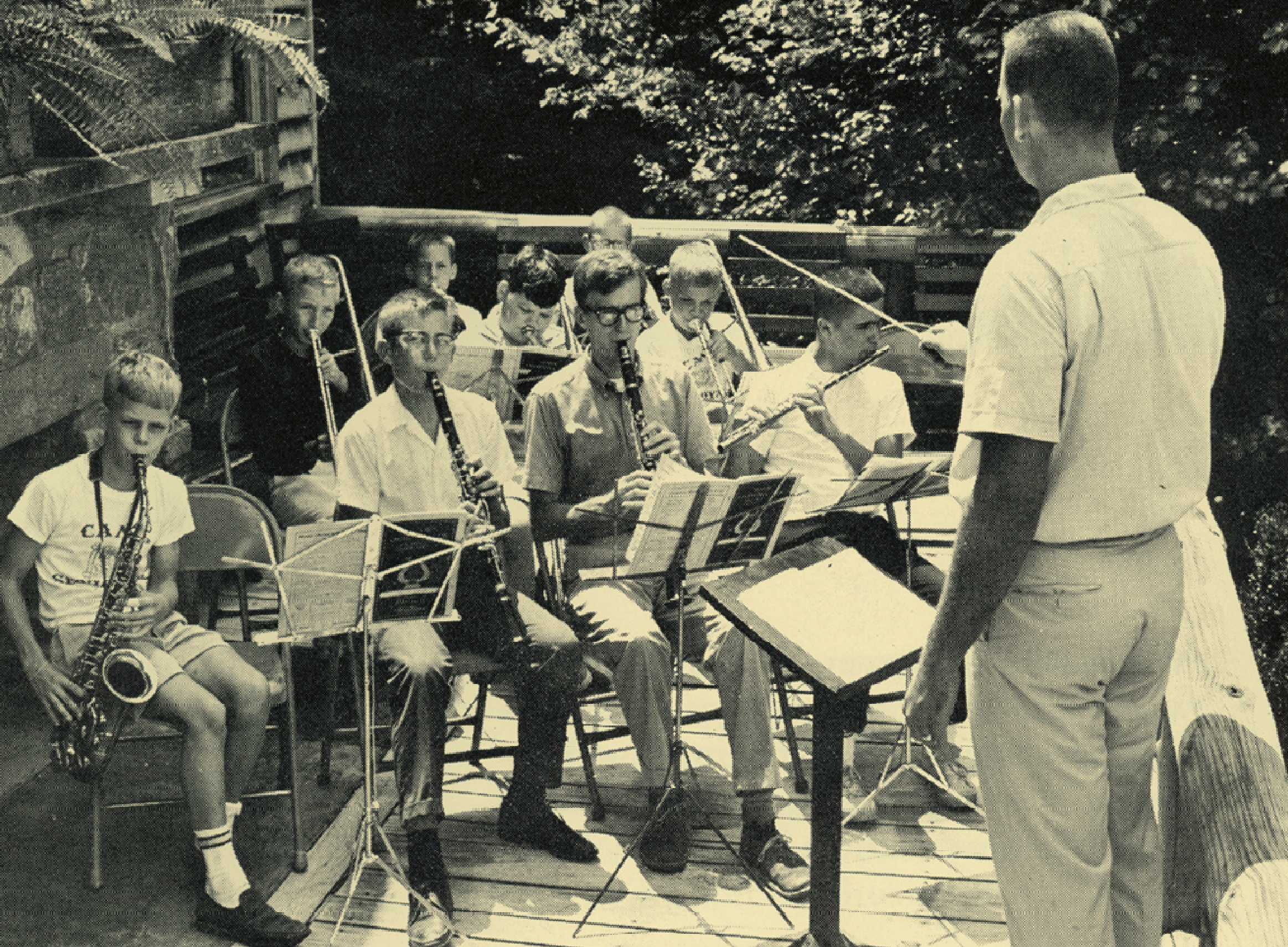
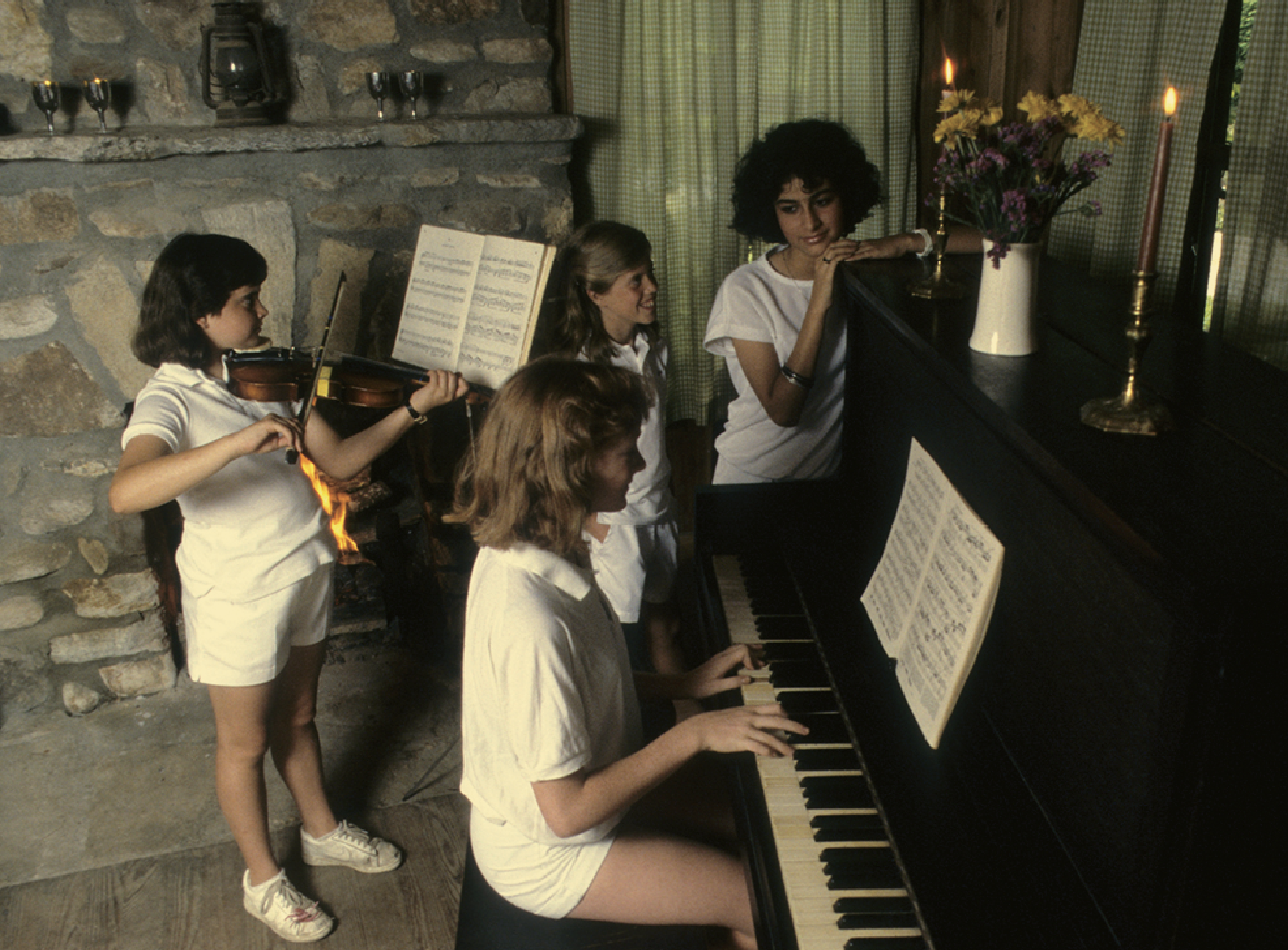
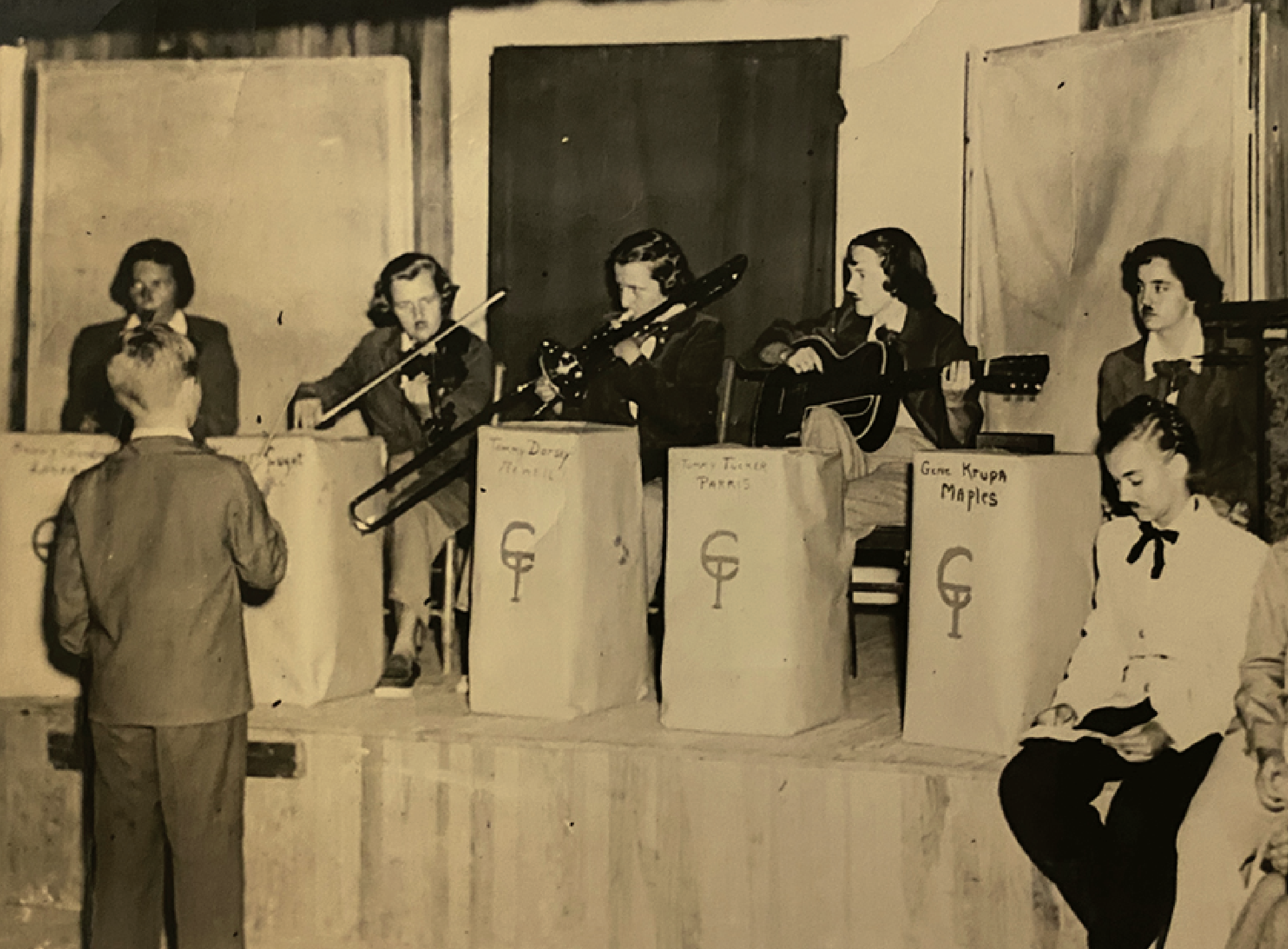
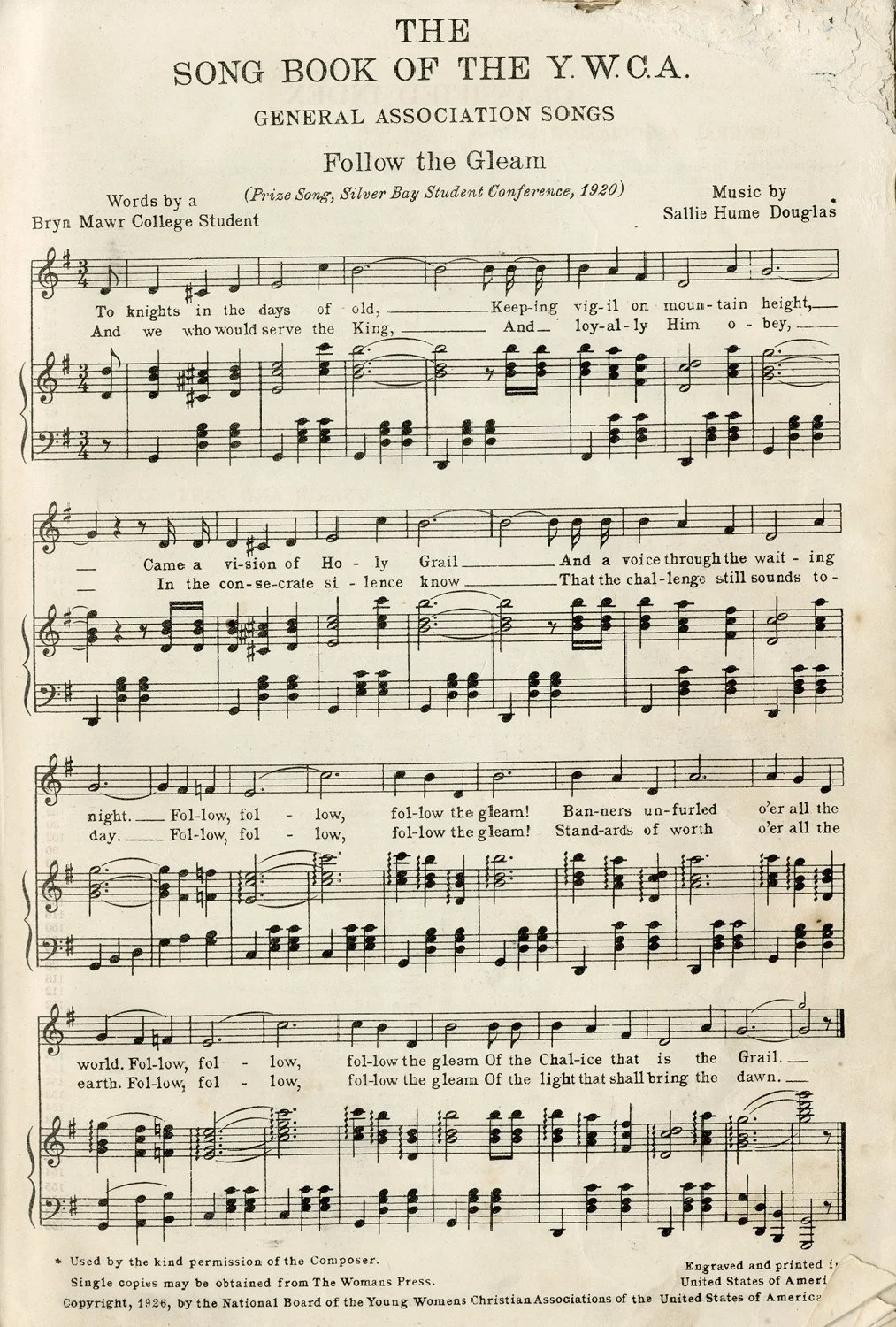
Music has always been an integral part of camp culture. Many songs that campers sing today trace back to songbooks from the earliest years of their camps’ existence. These songs are passed down from generation to generation, lyrics and tunes slightly shifting over time.
Songs are sung just about everywhere at camp. There are songs sung around the campfire, songs to commemorate events and significant moments, and songs simply to fill downtime while waiting for the next activity to begin. Many songs are unique to individual camps, while countless songs can be found throughout many camps’ songbooks.
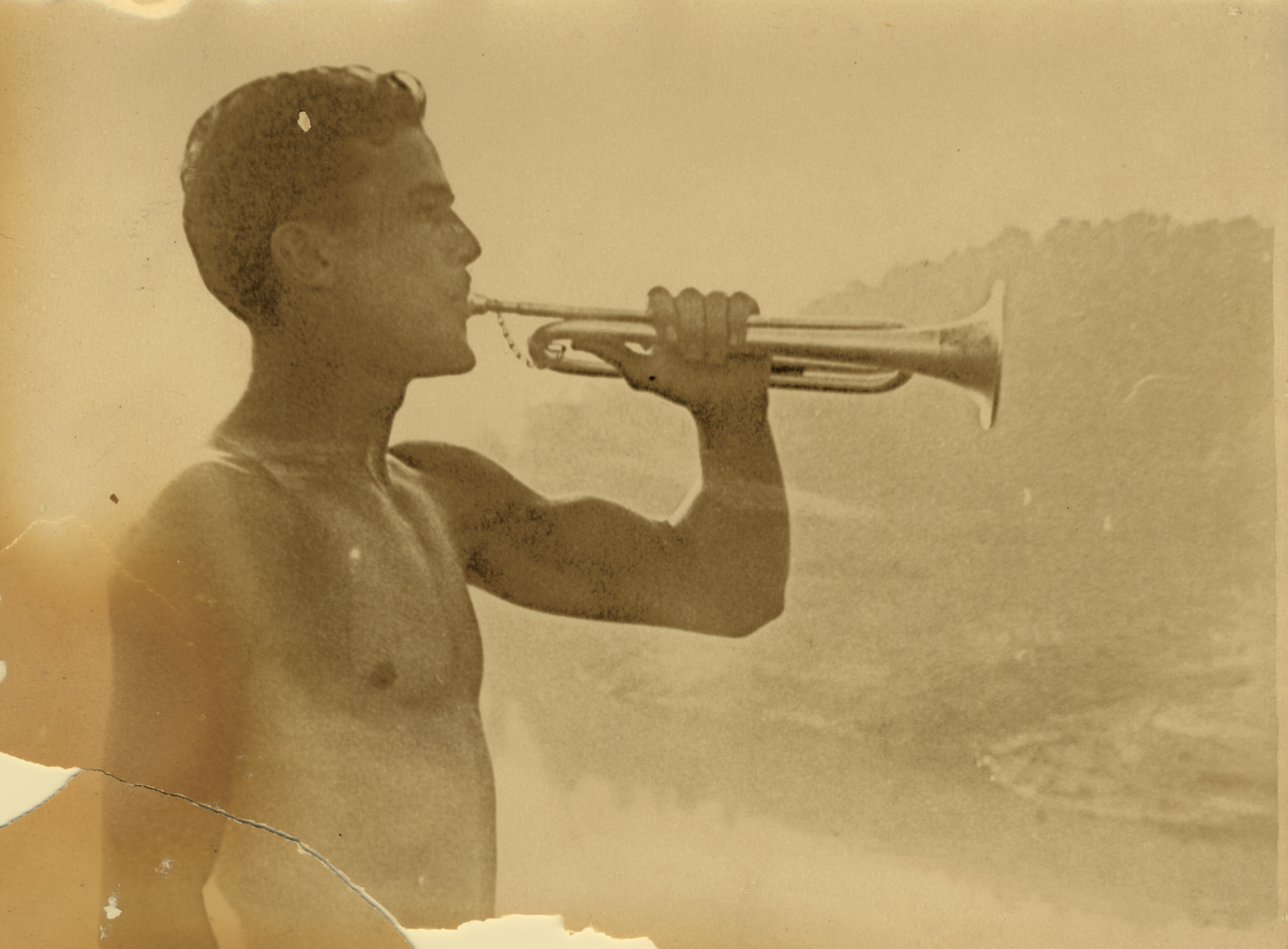
Music was even used to signify the time of day. Many camps would rise to the bugle calls of “Reveille” in the morning and “Taps” to signal the time for lights out at the end of the day. A ringing bell would signify times for meals and activity periods throughout the day.
HAVE A LISTEN TO SOME ORIGINAL CAMP SONGS!
“Isn’t it true that the heart of a camp is expressed in song?”
— Camping Magazine, Volume 3, Issue 2, 1930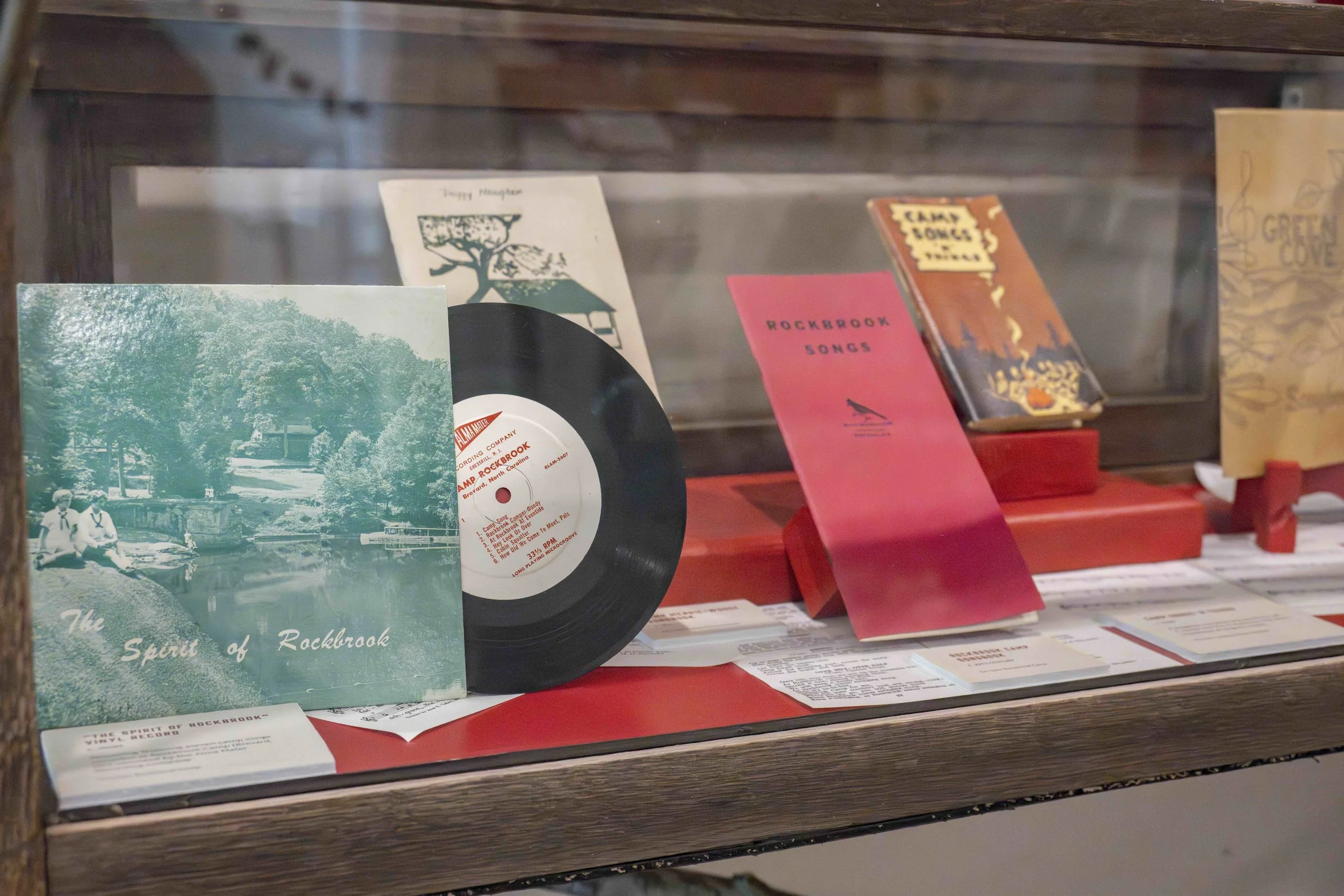
Scene from the museum exhibit. Vinyl record and camp songbooks, c. 20th century
THE FLICKER OF THE CAMPFIRE
A TRADITION OF CONNECTION
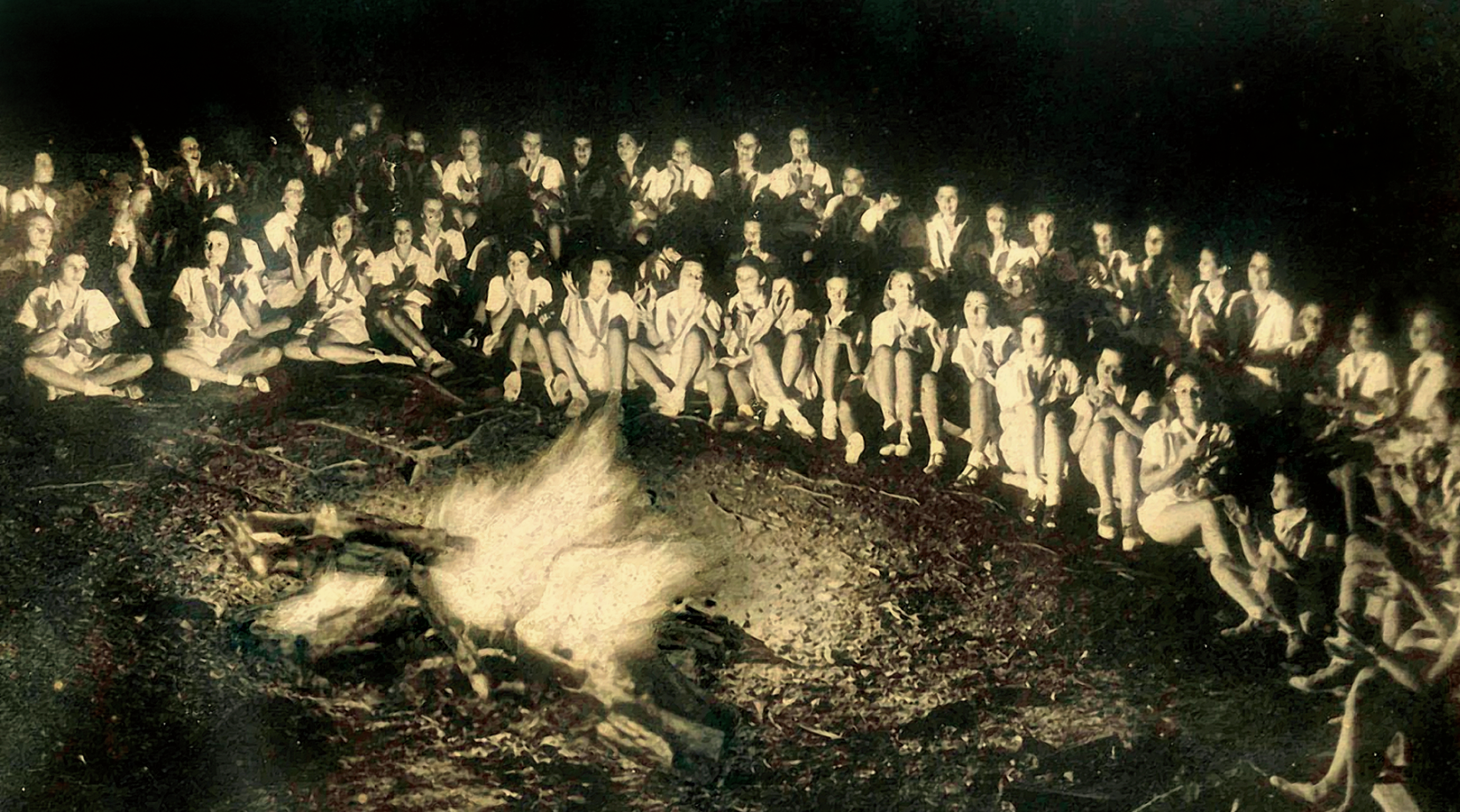
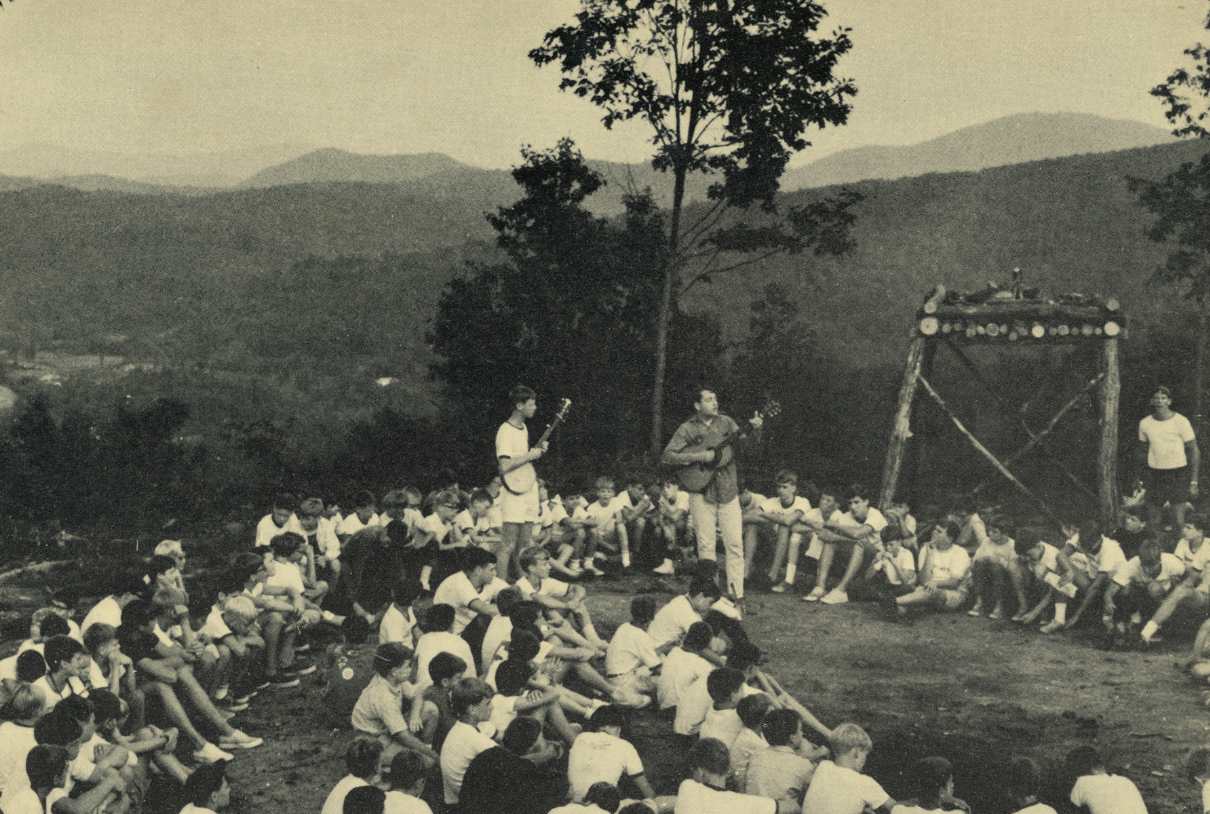
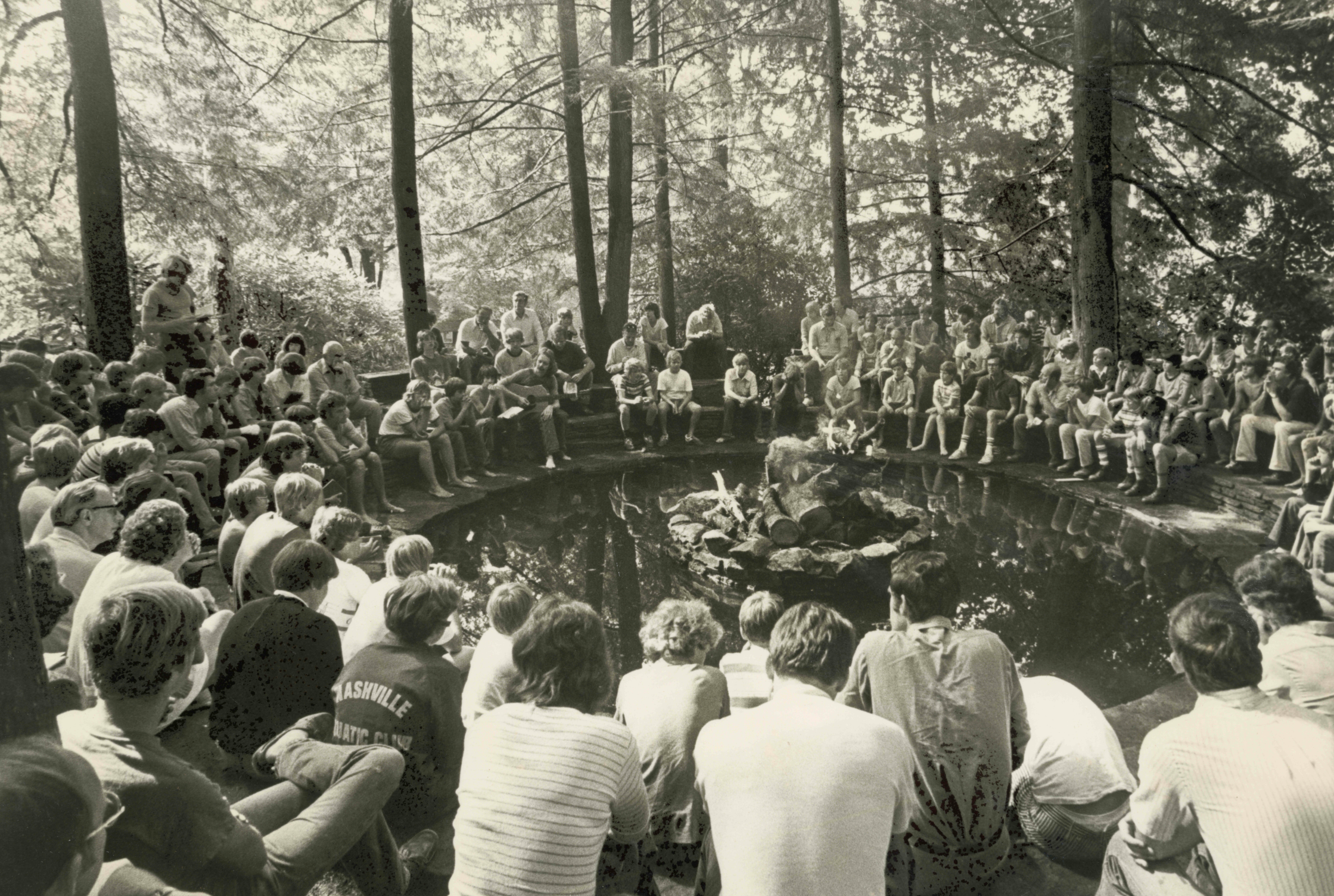
Camp directors knew there was something both magical and primal about fire and watching the flicker of a flame. Campfires lend themselves to sitting in a circle, evoking a democratic sense of unity and equality. They also created an atmosphere which brought camp communities together to explore the greater themes of camp life bound in lessons of integrity, friendship, and spirituality.
Camps traditionally held Campfires once a week to bring the camp community together in a time of reflection, fellowship, and fun. Songs and stories echoed through the surrounding trees as the sounds of camaraderie drifted into the air with the wood smoke.
Opening and Closing Campfires, held at the beginning and end of camp sessions, were deeply rooted in tradition and ceremony. For many camps, campfires established a sense of community at the beginning of the summer and commemorated final awards and rites of passage at the end of the summer.
As a camper in 1960 at Rockbook Camp in Brevard, NC recalled, “The Spirit Fire was the most beautiful ceremony I have ever seen. As the flames mounted higher and higher, the love of Rockbrook grew more and more in my heart. The songs were like angels singing.”
HAVE A LISTEN TO AN ORIGINAL CAMP SONG!
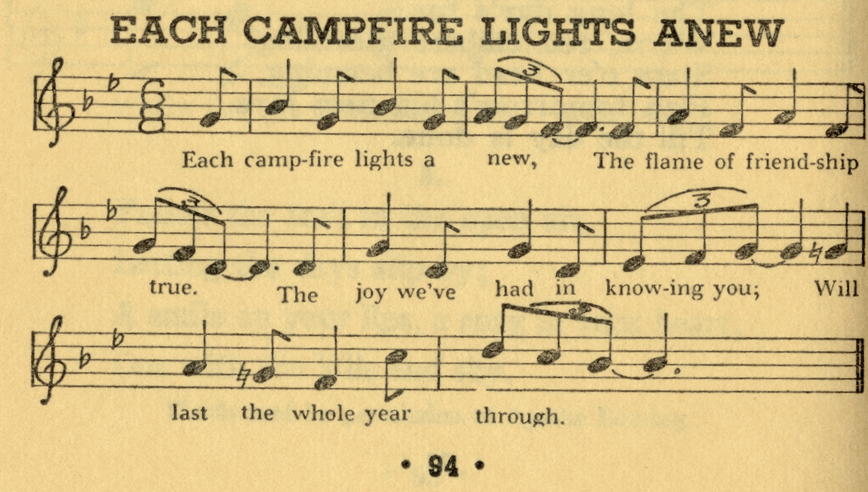
“We have built campfires together... and we have, around these fires, sung with the stars and believed in the wonder and beauty of life.”
— Dammie Day, Director of Camp Merrie-Woode (Sapphire, NC), 1929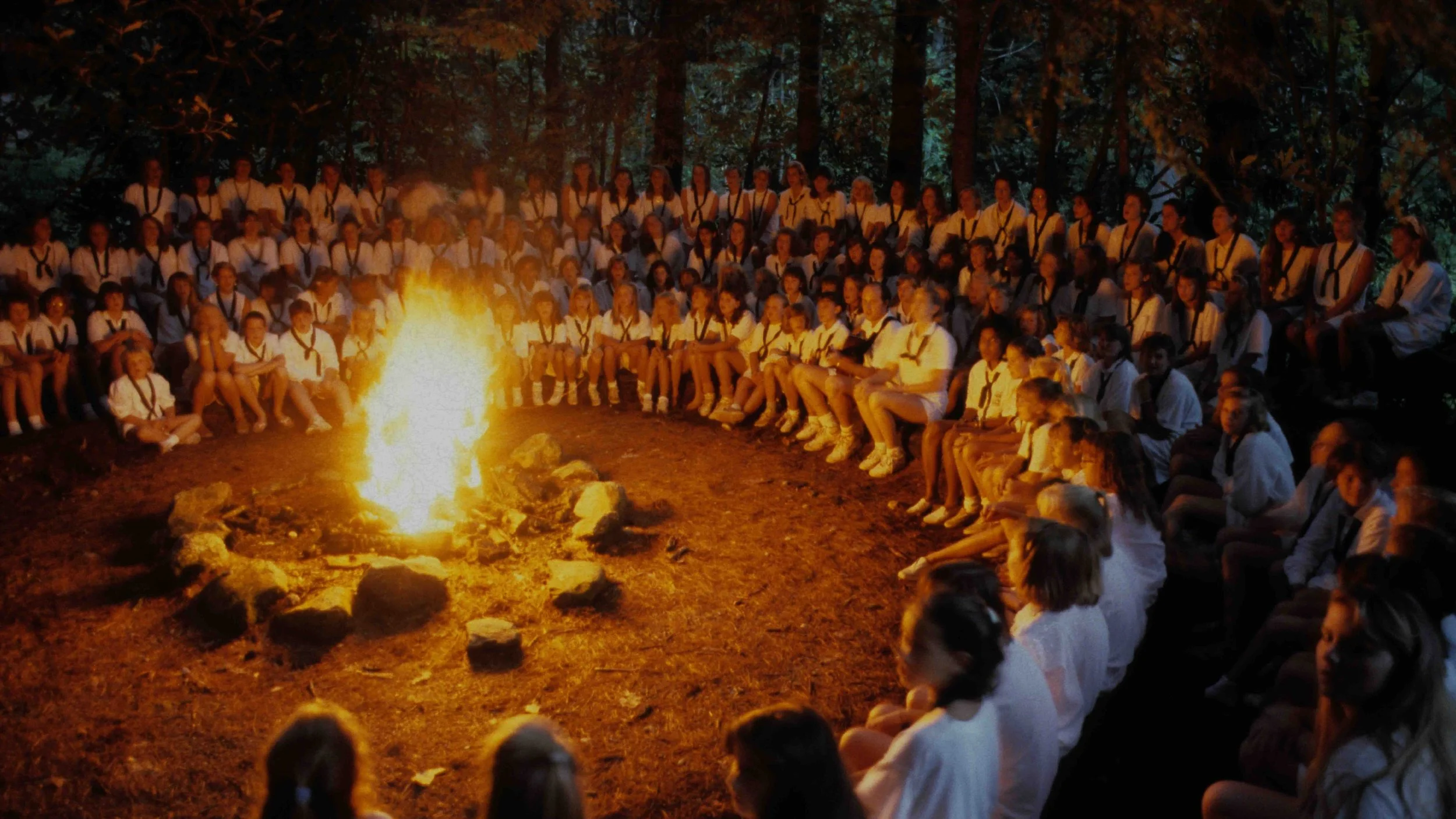
Camp Merrie-Woode (Sapphire, NC),
c. mid-1980s
DO YOU KNOW WHAT A TAJAR IS?
TAJAR TALES
In the 1930s, Tajar Tales were popular campfire stories told at camps across the country. Jane Shaw Ward wrote the original Tajar Tales, which follow a mythical creature named the Tajar (pronounced to rhyme with badger) who was constantly getting into mischief around the camp. She began telling these stories at a girls’ summer camp in Colorado in the early 1900s, publishing them in a children’s magazine in 1917. The YWCA published a collection of Ward’s stories with illustrations by Herman Lui Drucklieb in 1924.
By the 1940s, camp directors were tweaking story details to match names and locations in their own camps. These whimsical stories became a staple around campfires, with new versions added over time as the oral tradition of storytelling handed down the Tajar lore from one generation to the next.
TAJAR LORE AT GWYNN VALLEY CAMP
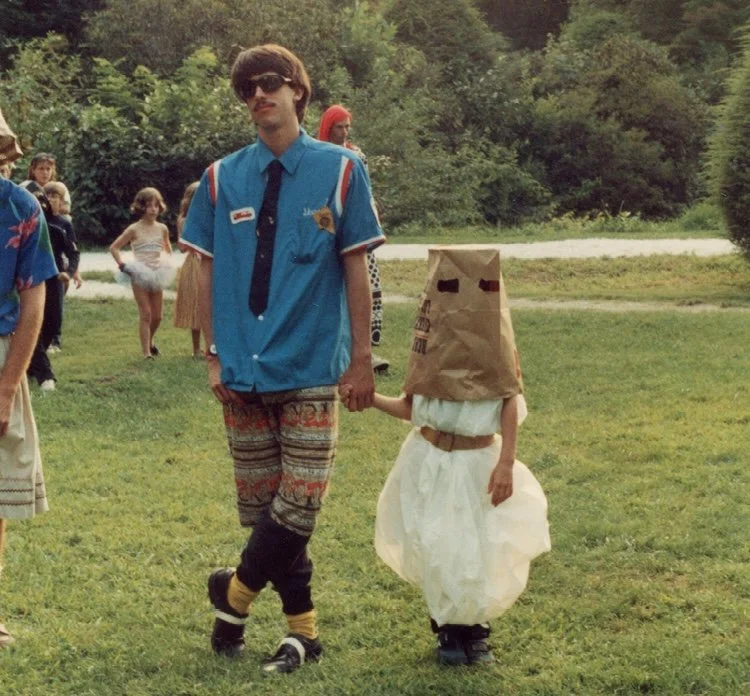
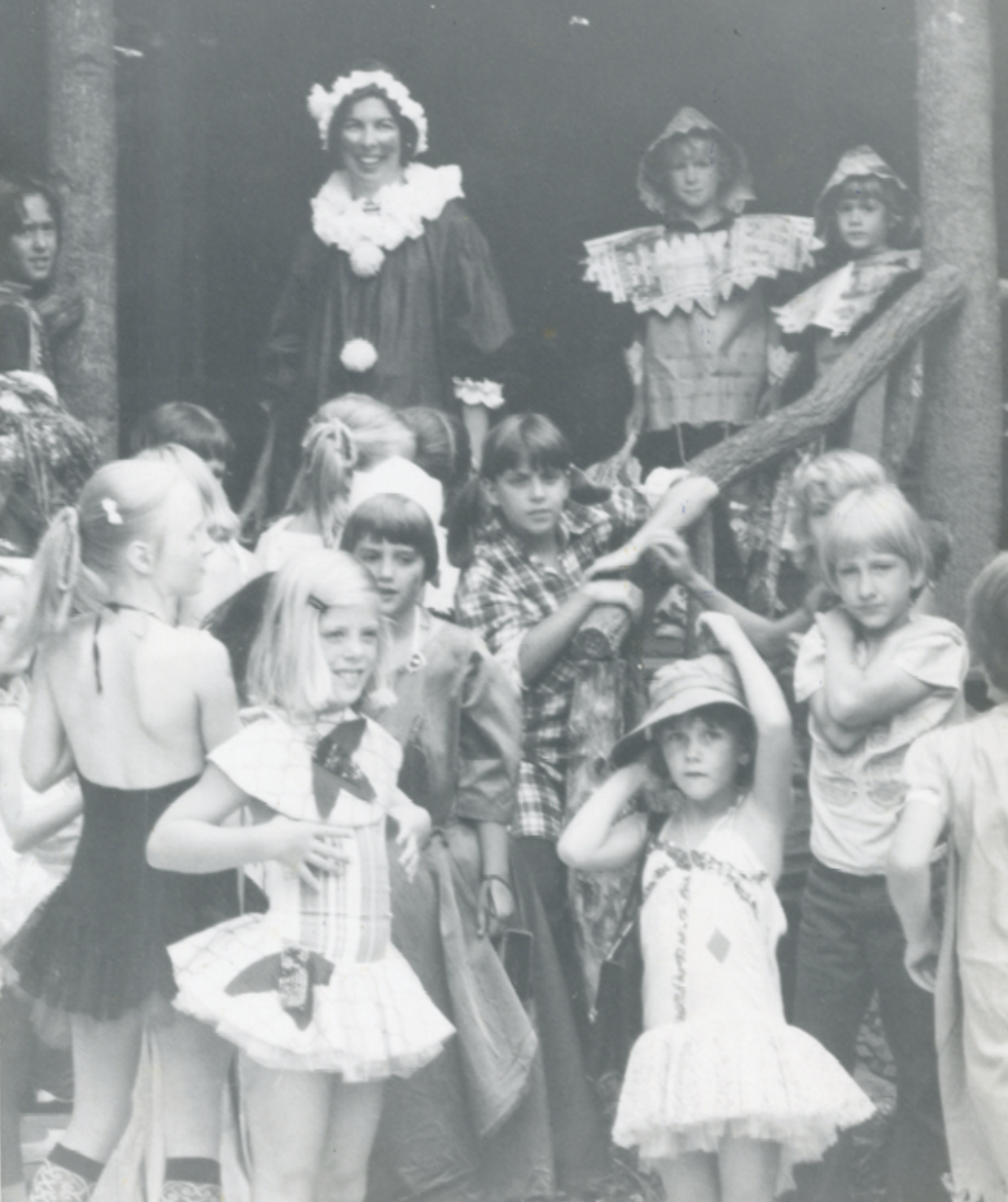
A popular tradition at Gwynn Valley Camp (Brevard, NC) is the Tajar Ball. Shaw’s original lore of Tajar established that “if you should see him once, you would forget what he looked like, but if you should see him twice you would forget to forget what he looked like, and that would be quite fatal.” To avoid this peril, the Tajar Ball is hosted during each session of the summer on the Tajar’s birthday as a costume party so that he can attend without being seen.
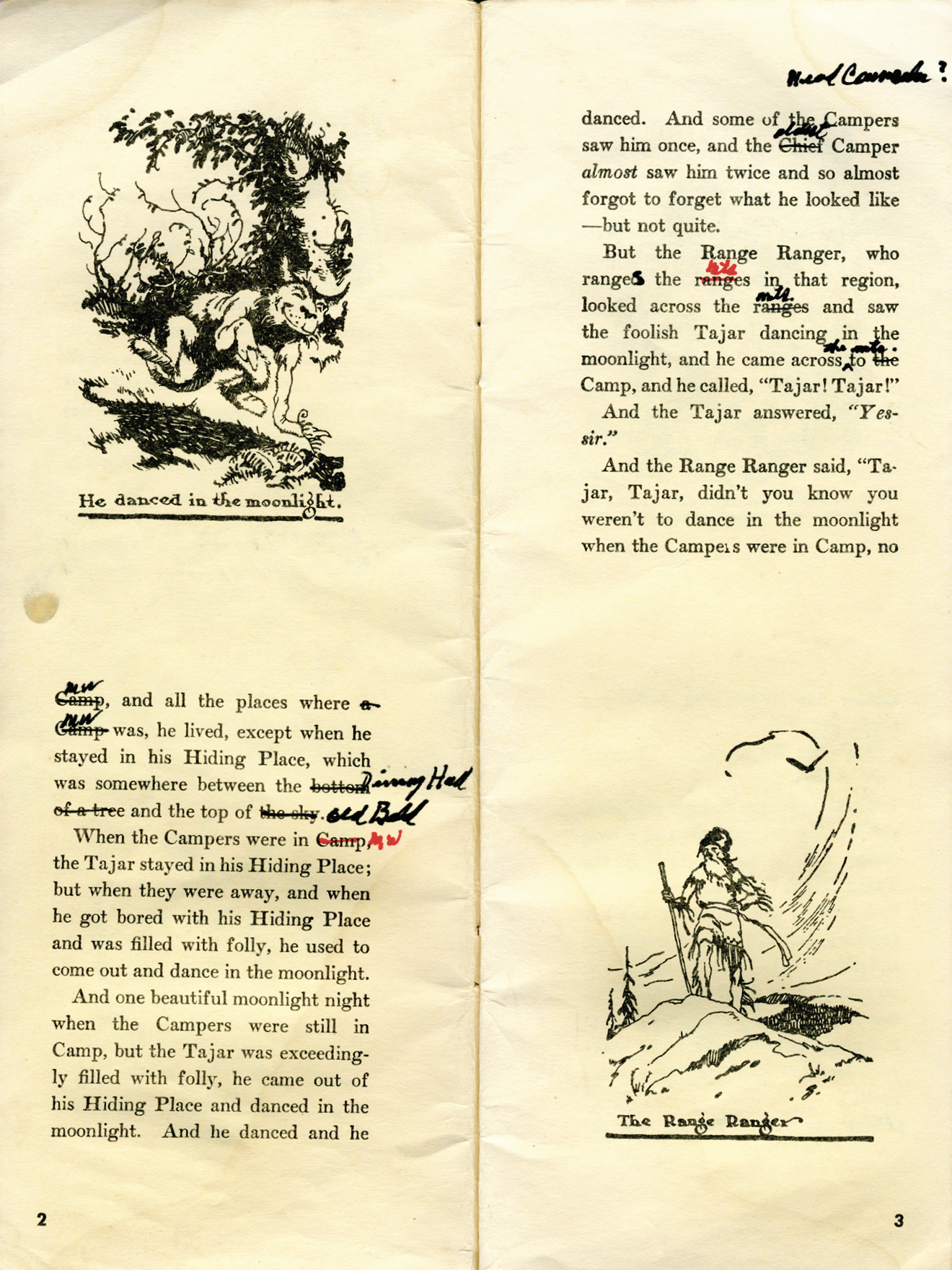
This Tajar Tales booklet shows handwritten notes by camp director, Hugh Caldwell, changing the story details to be specific to Camp Merrie-Woode (Sapphire, NC), c. late 1970s.
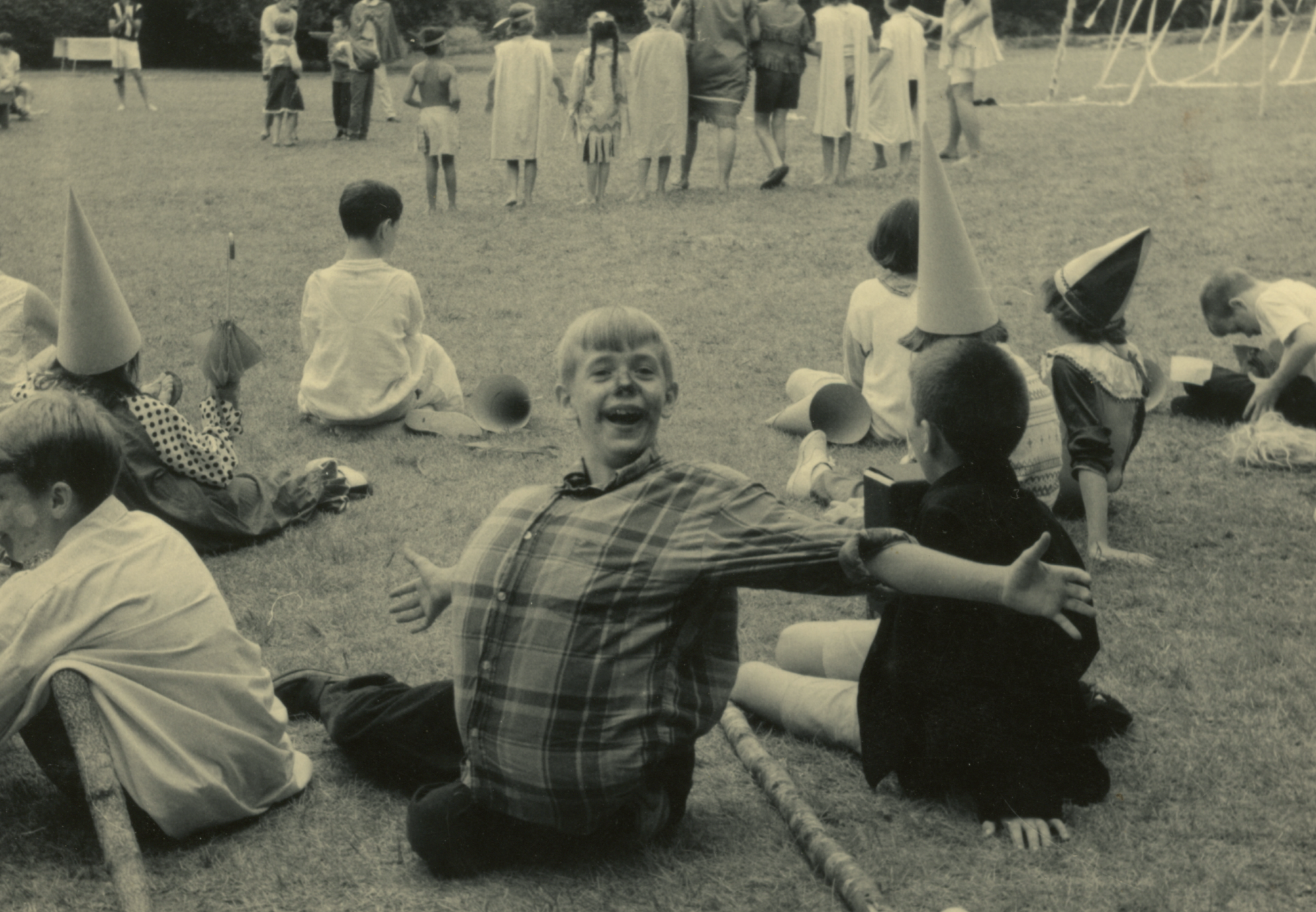
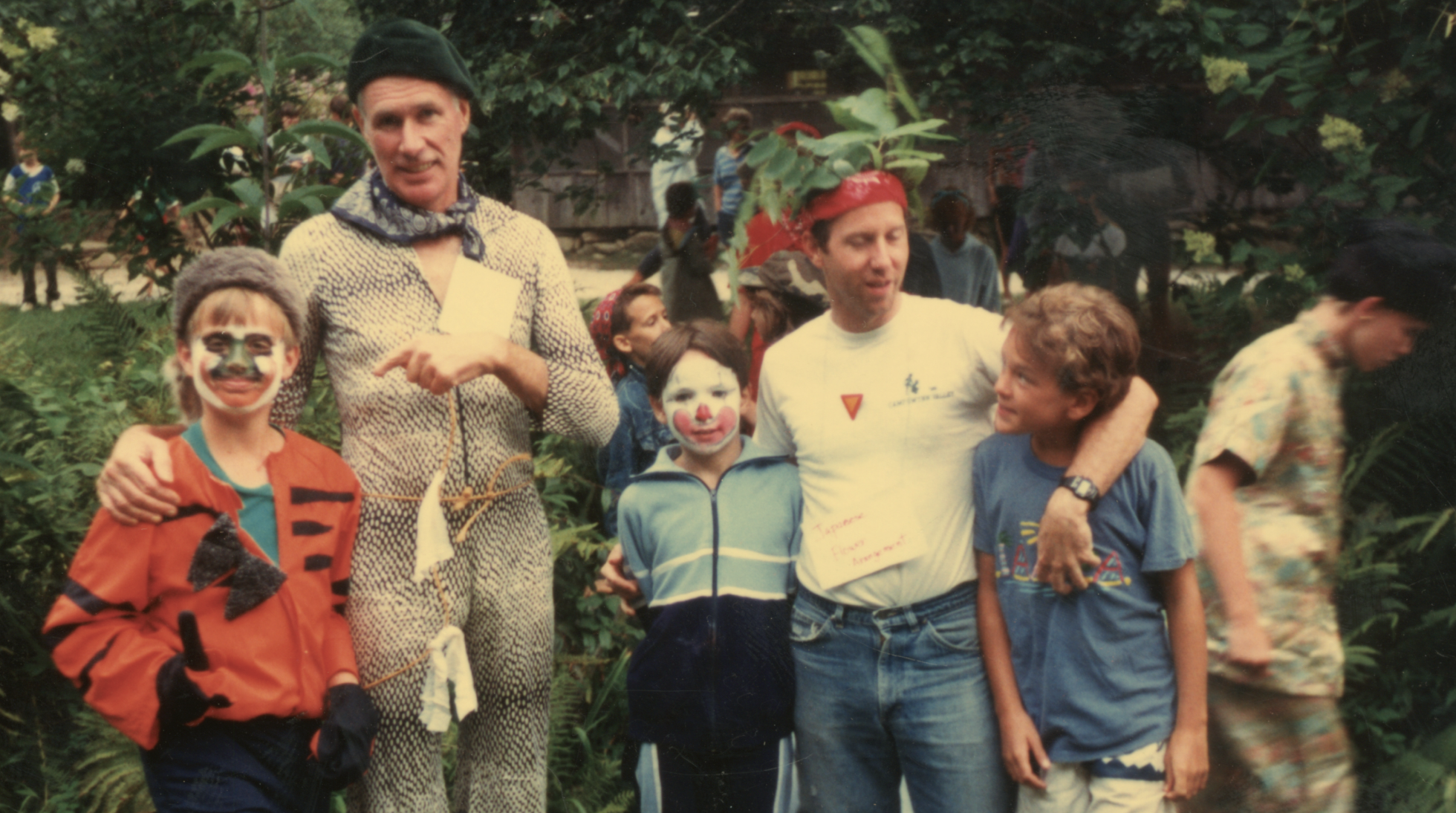
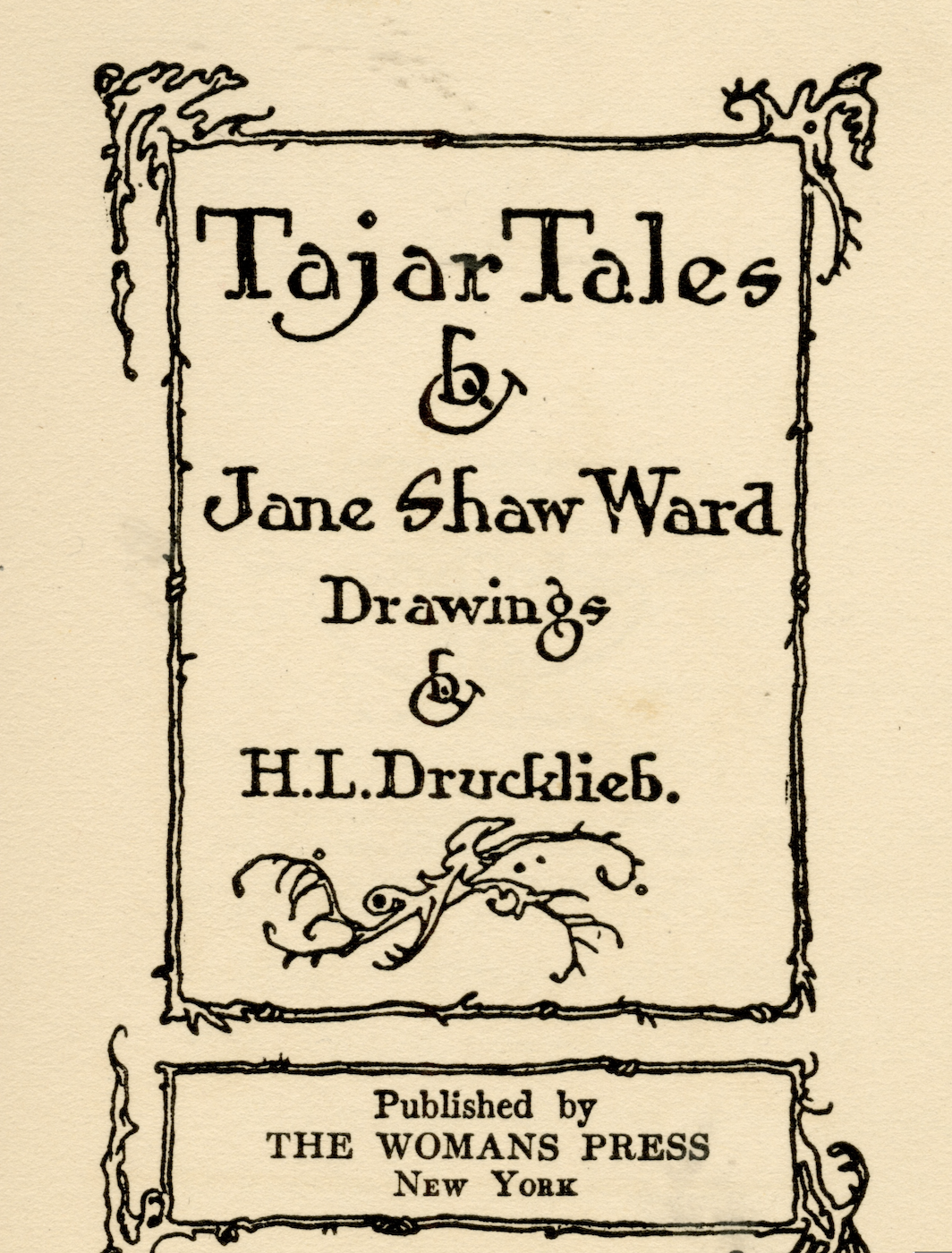
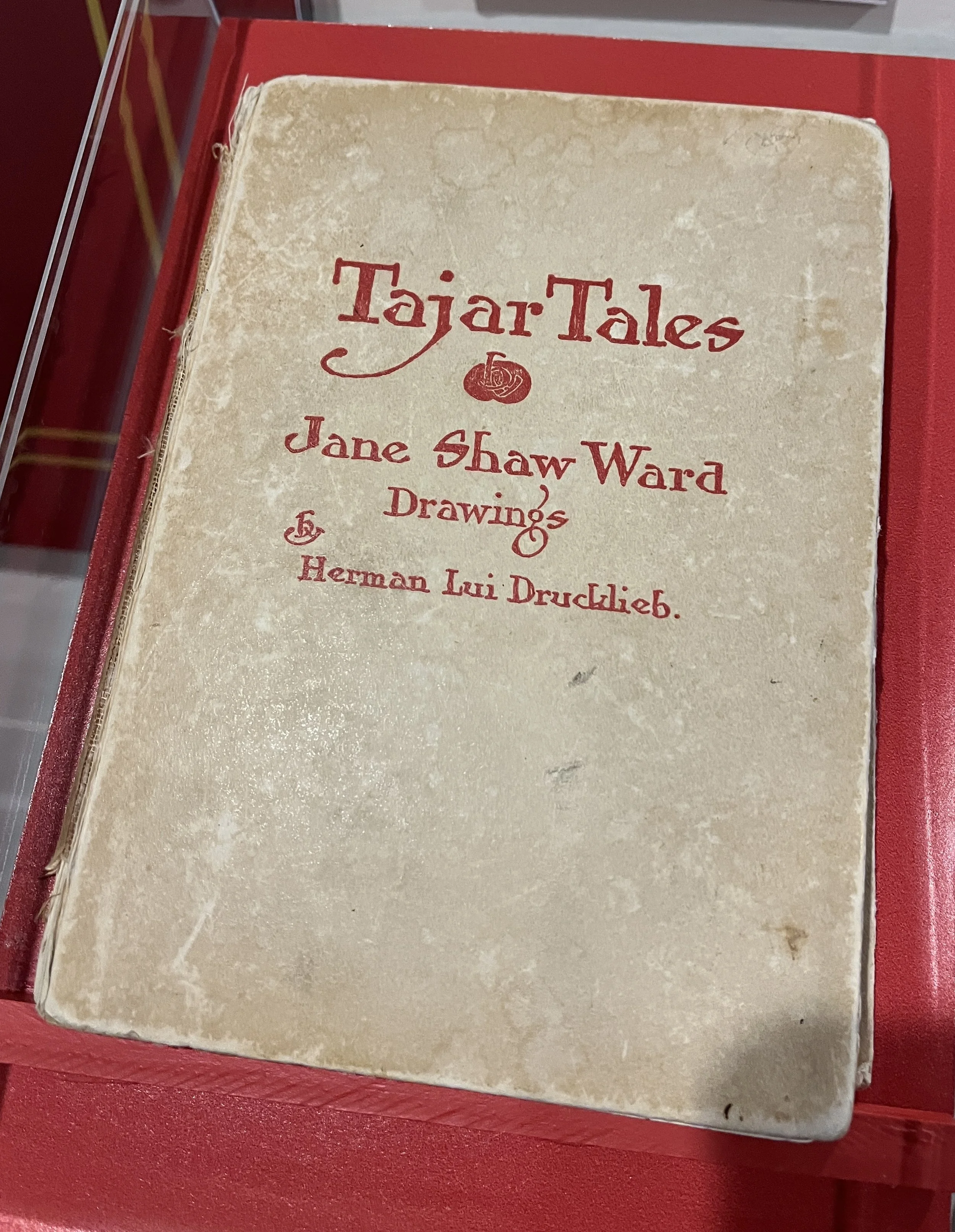
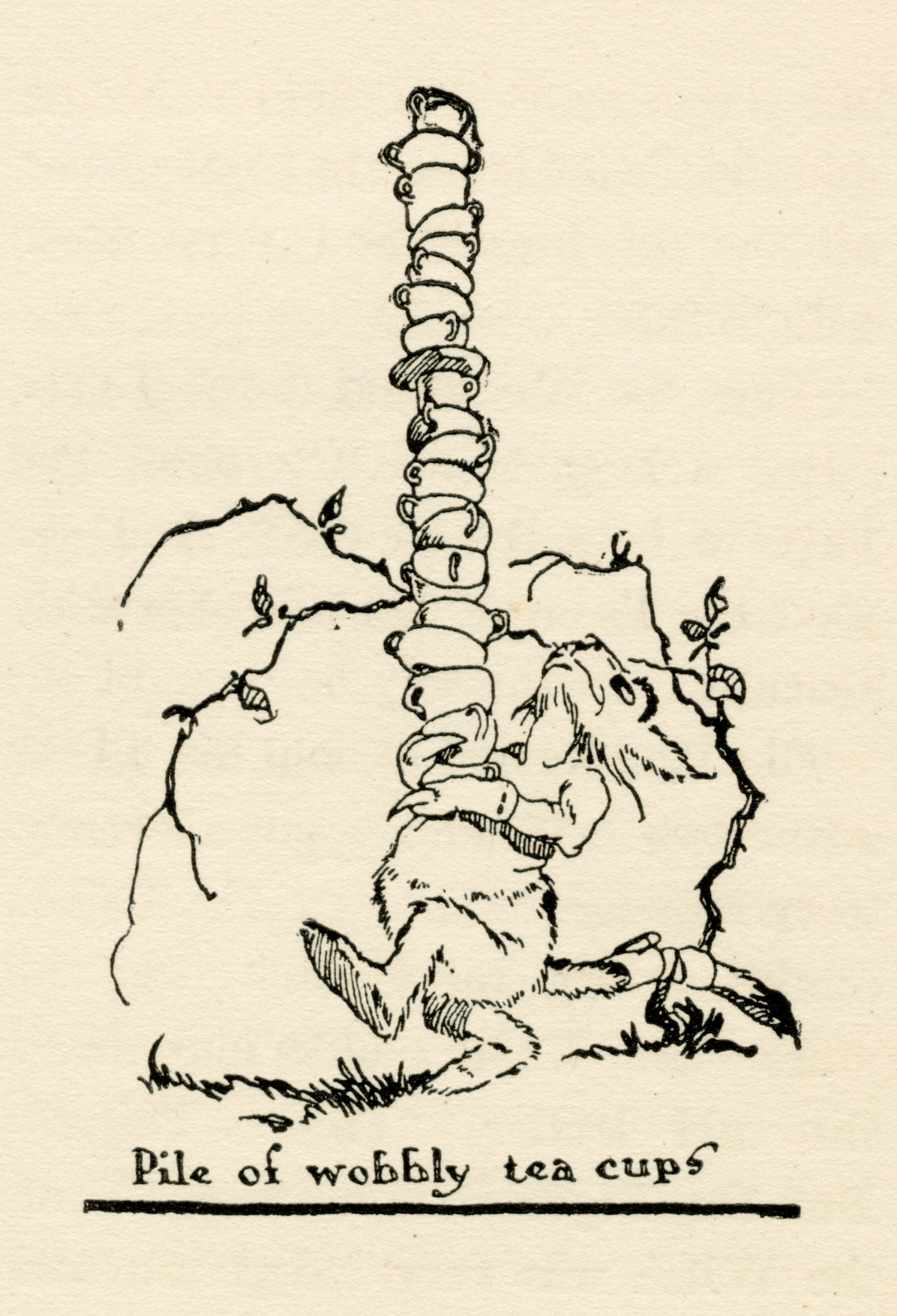
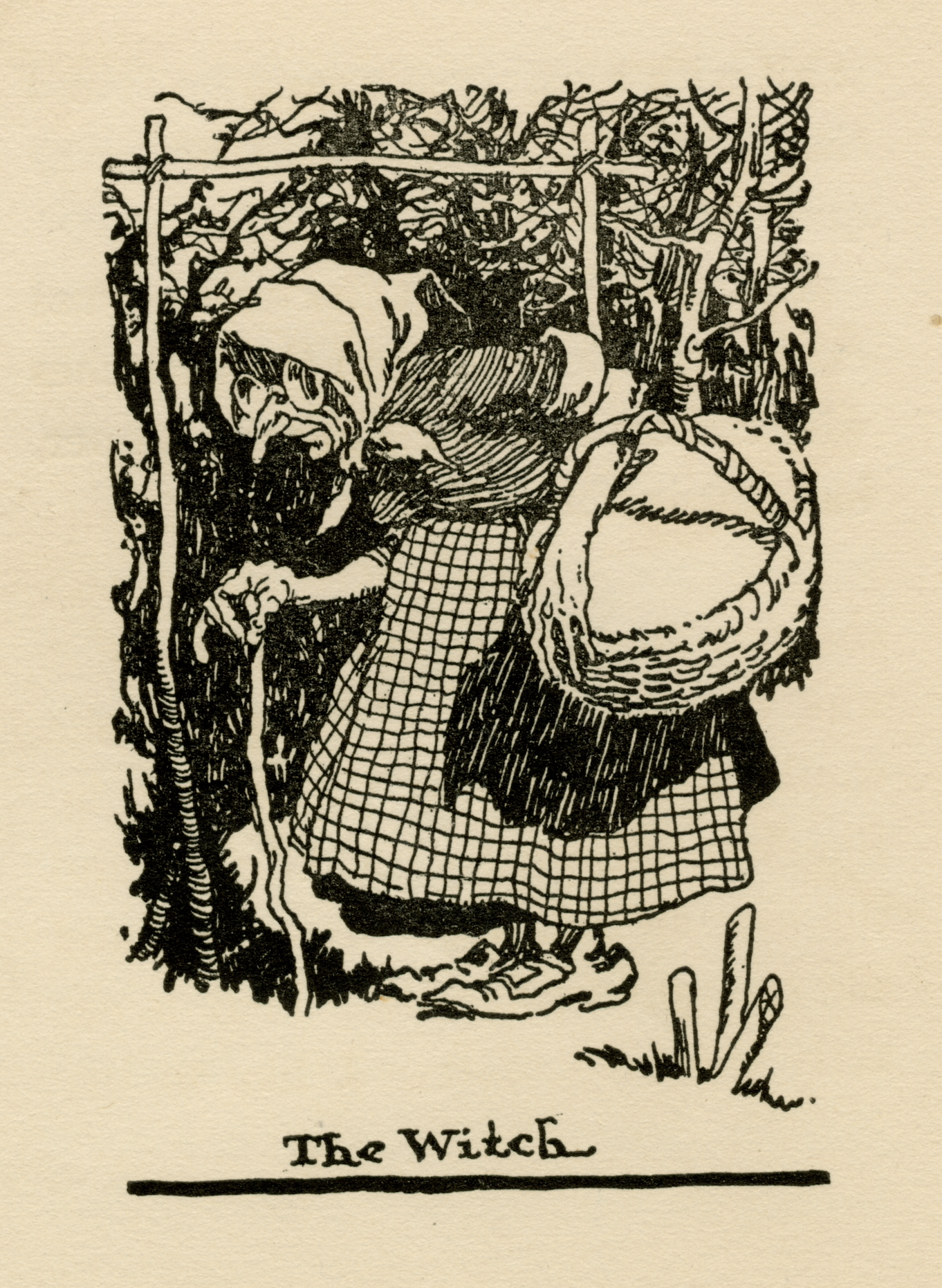
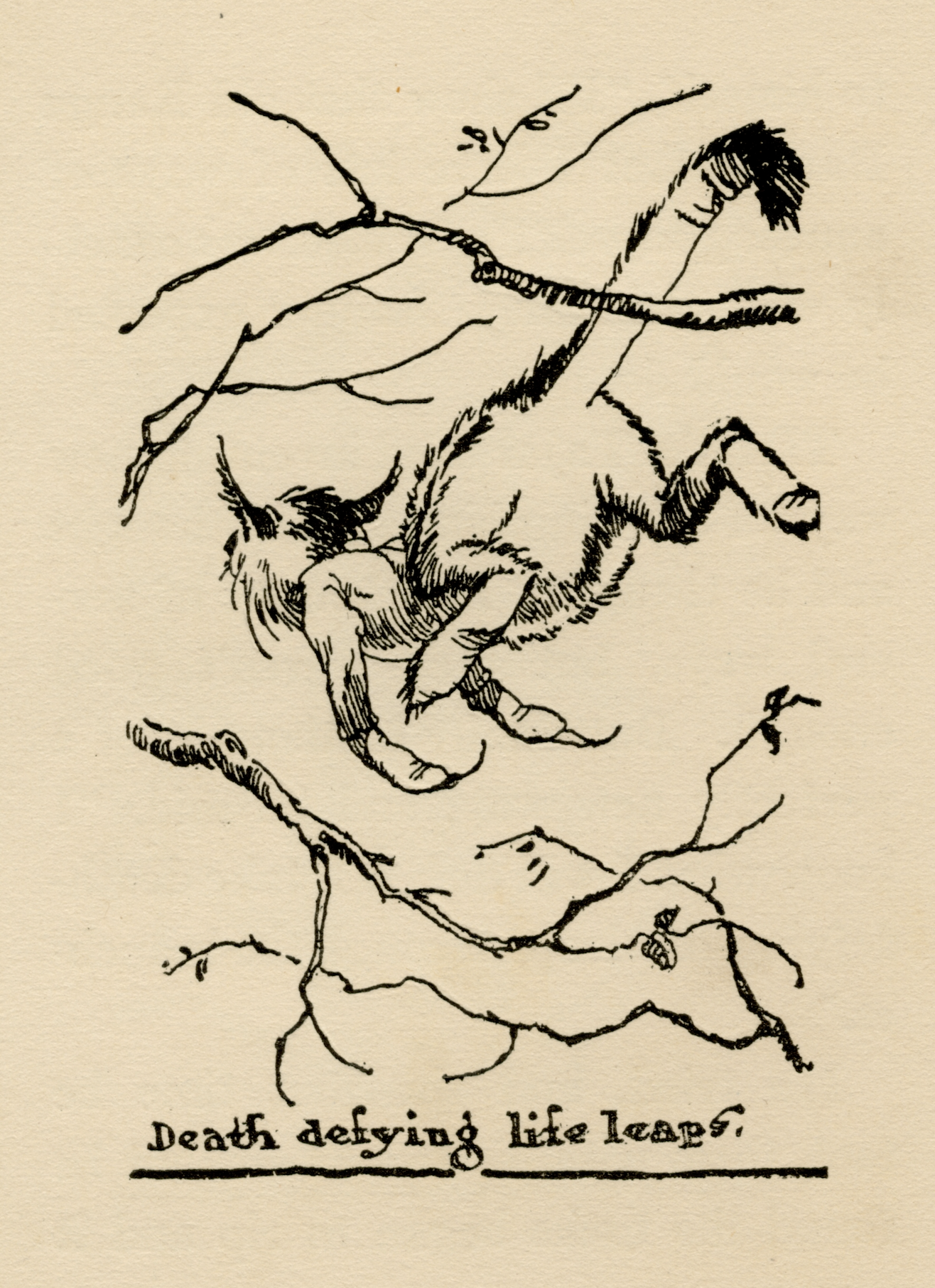
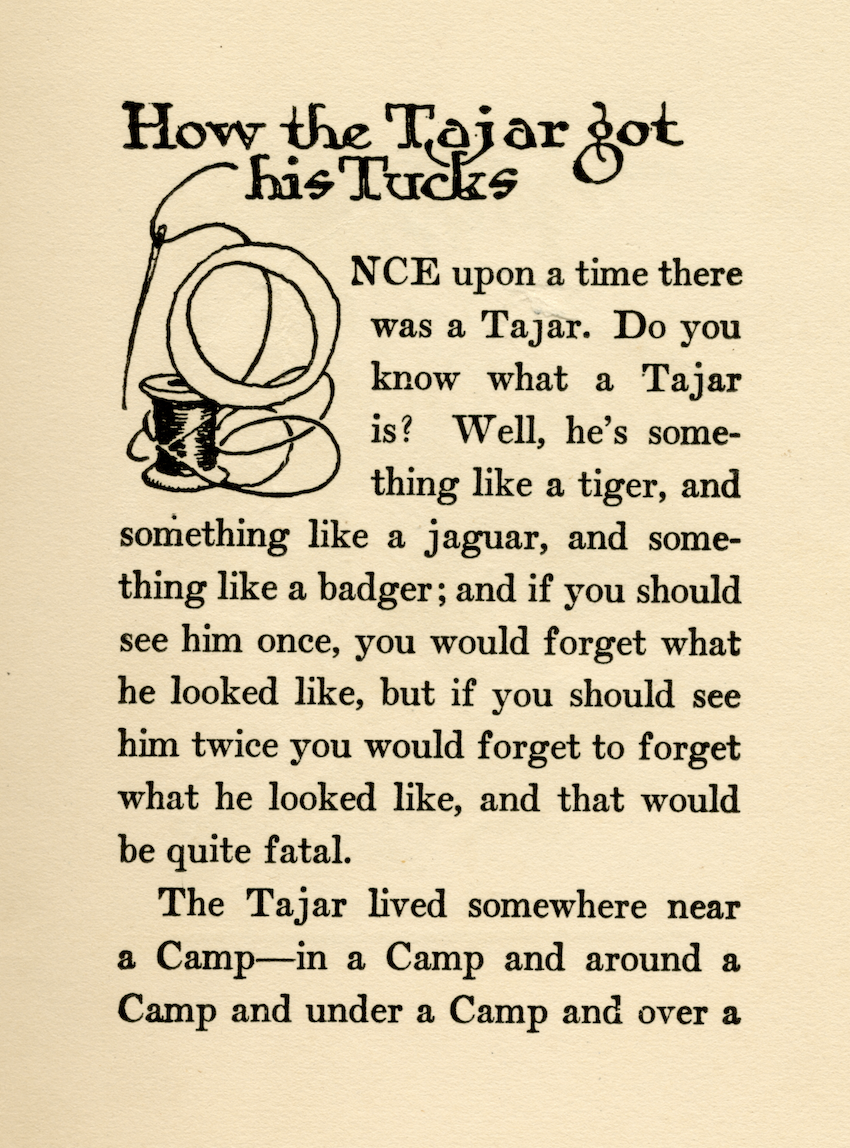
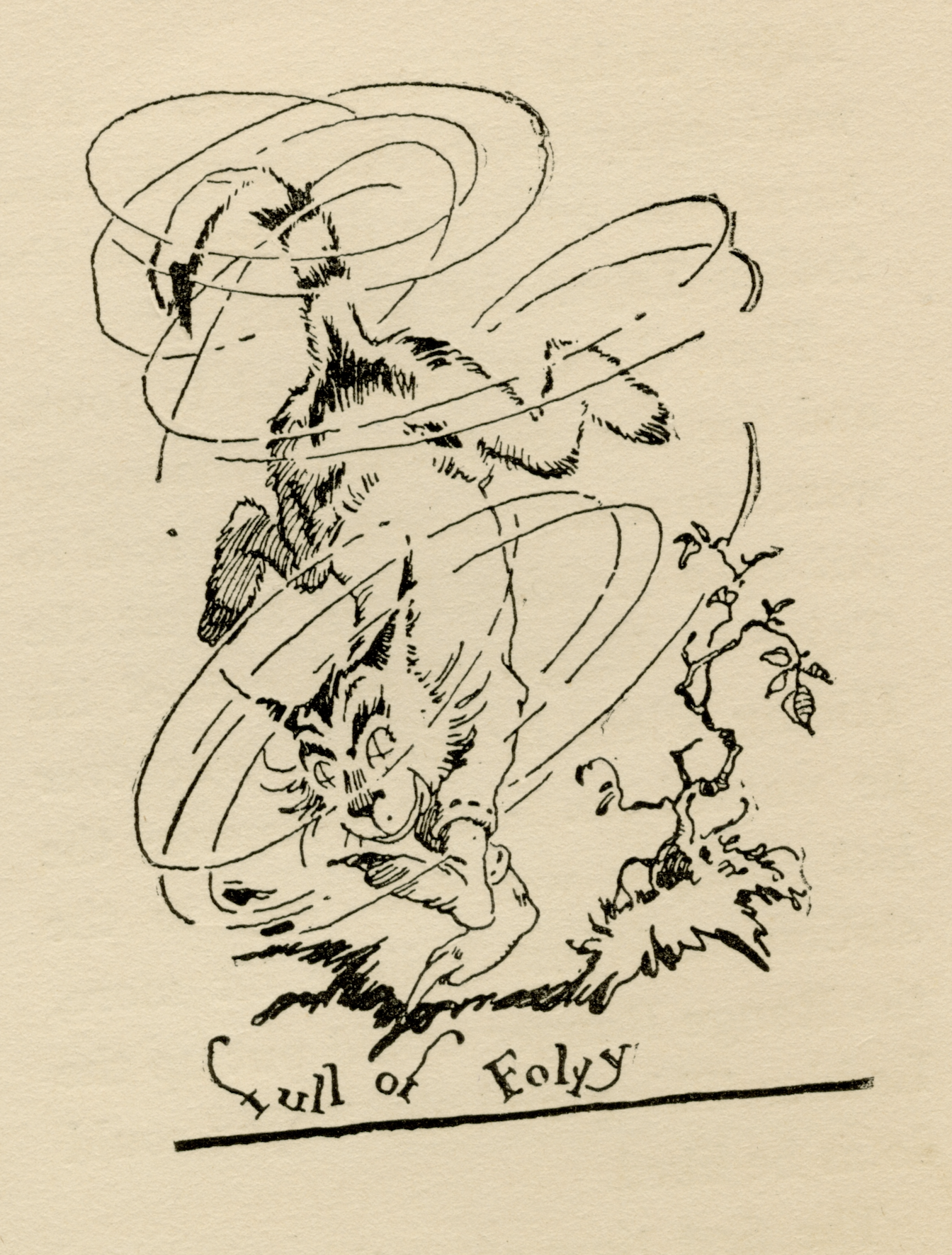
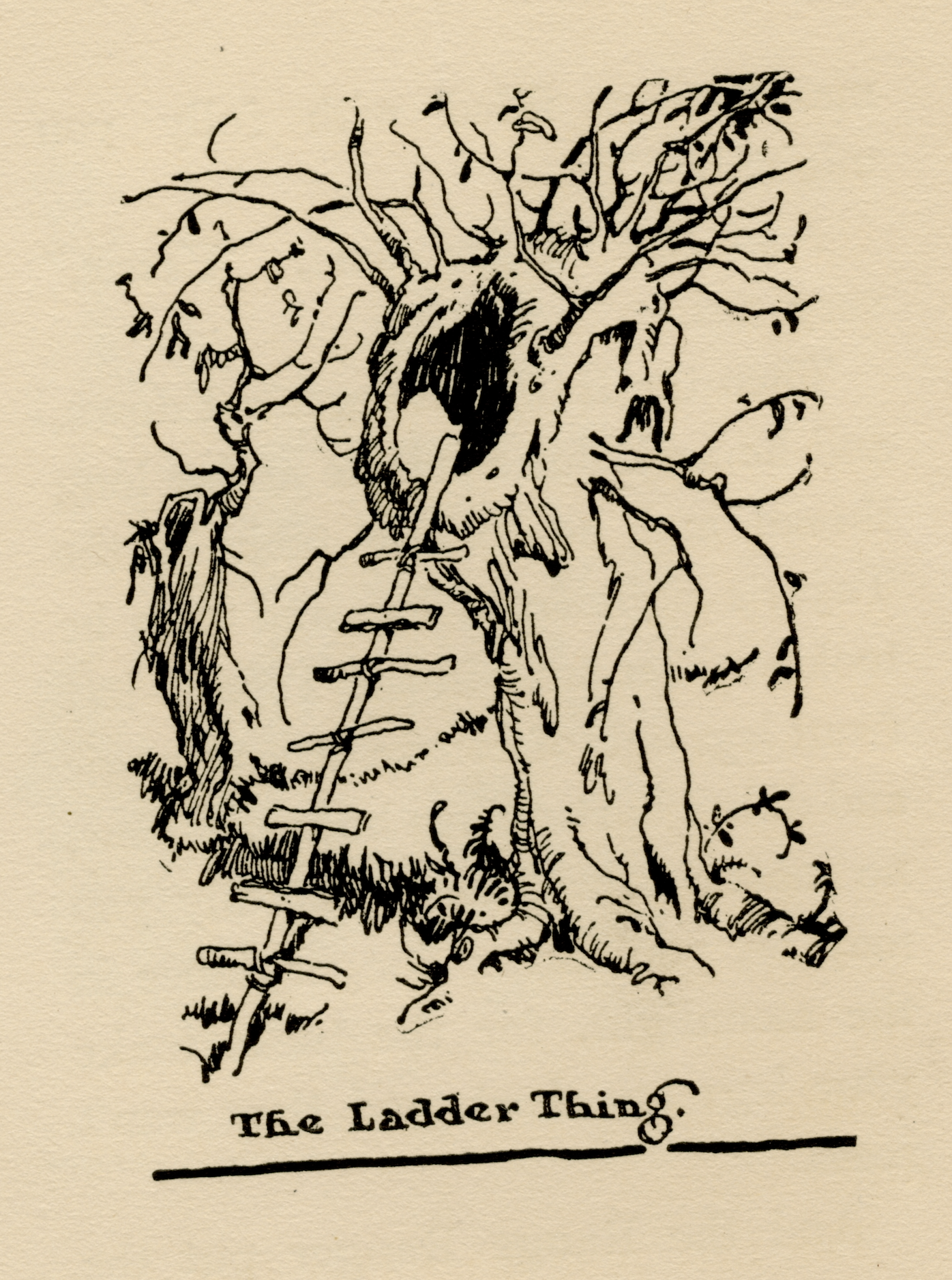
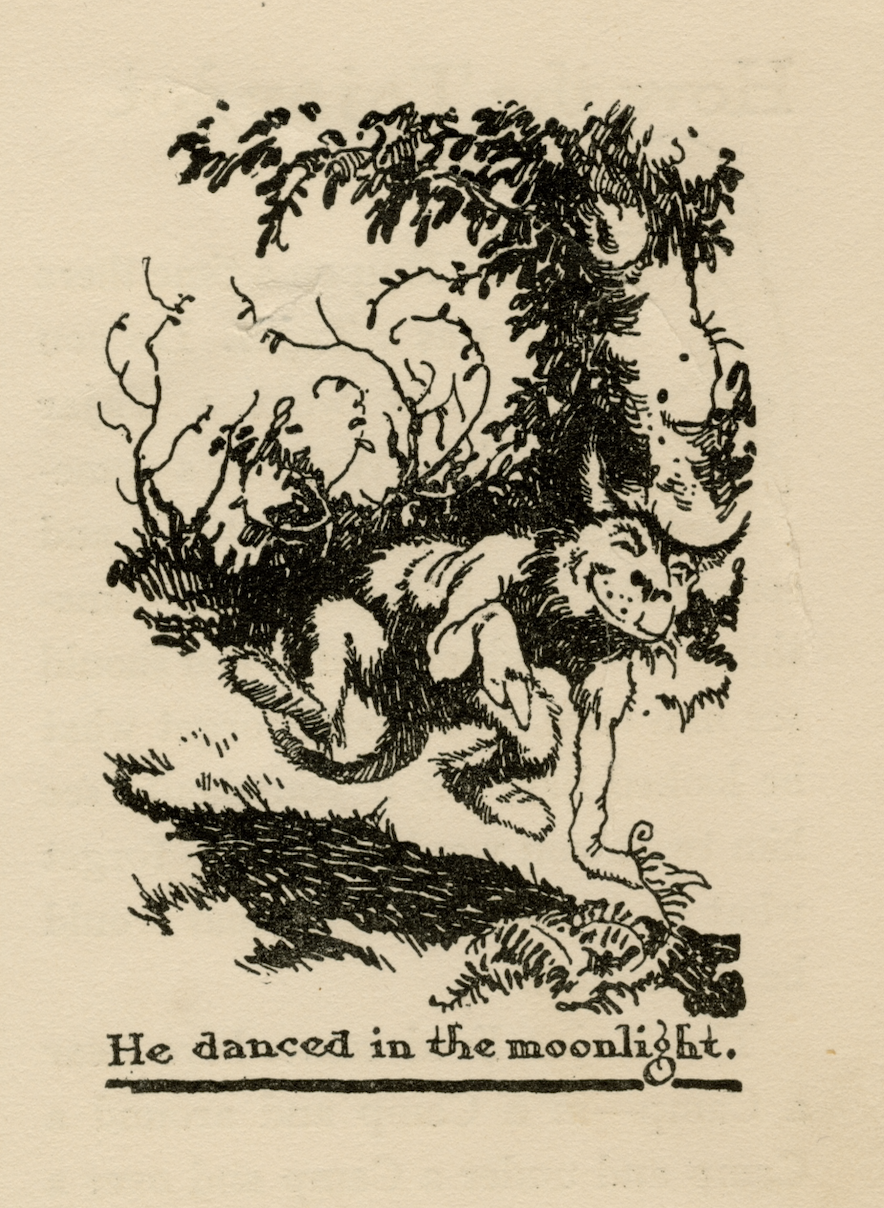
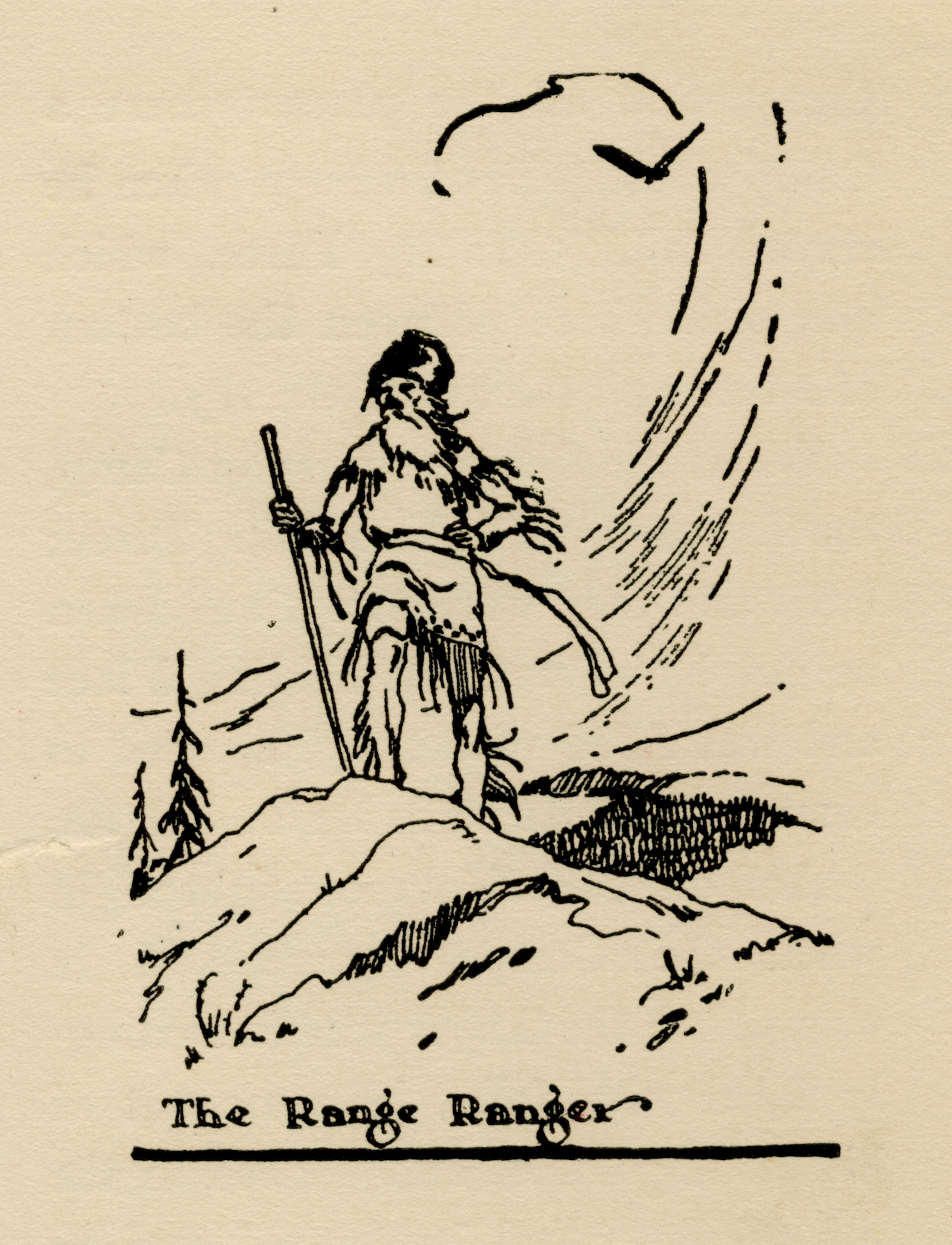
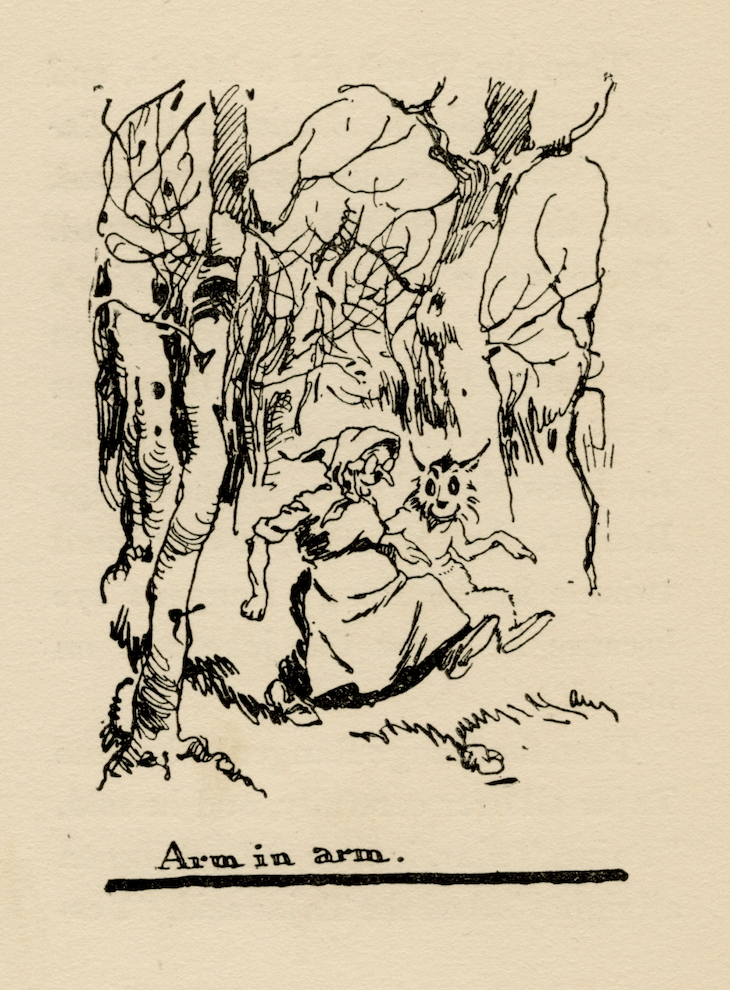
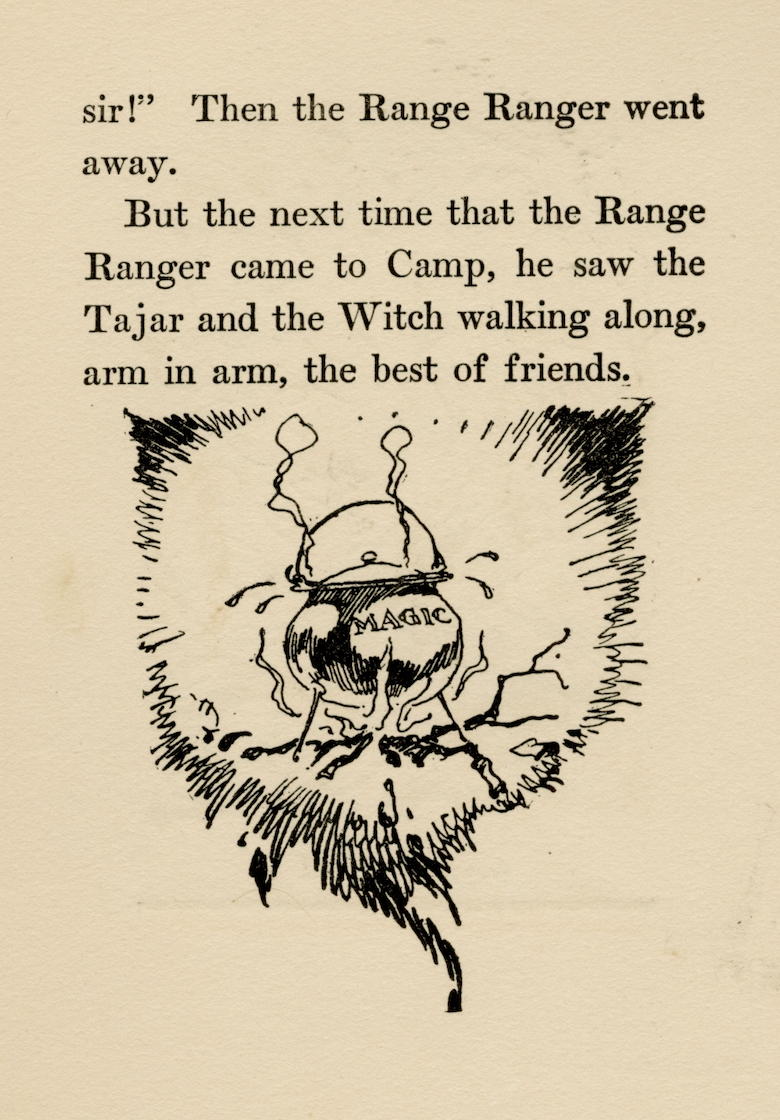
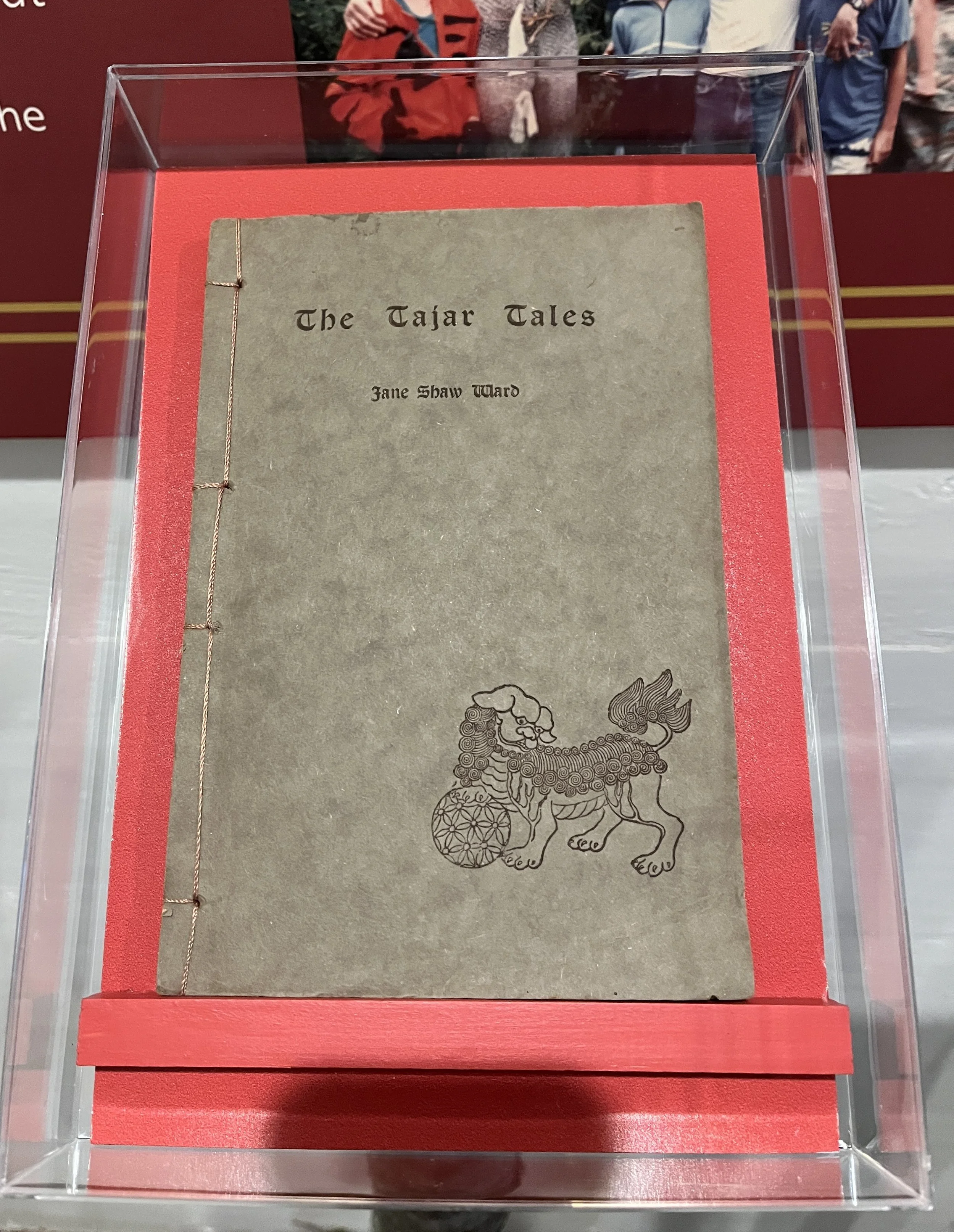
Pages from “Tajar Tales” by Jane Shaw Ward, illustrations by Herman Lui Drucklieb, 1924
“Do you know what a Tajar is? Well, he’s something like a tiger, and something like a jaguar, and something like a badger… The Tajar lived somewhere near a Camp — in a Camp and around a Camp and over a Camp and all the places where a Camp was, he lived...”
— From tajar tales, Jane Shaw Ward, 1924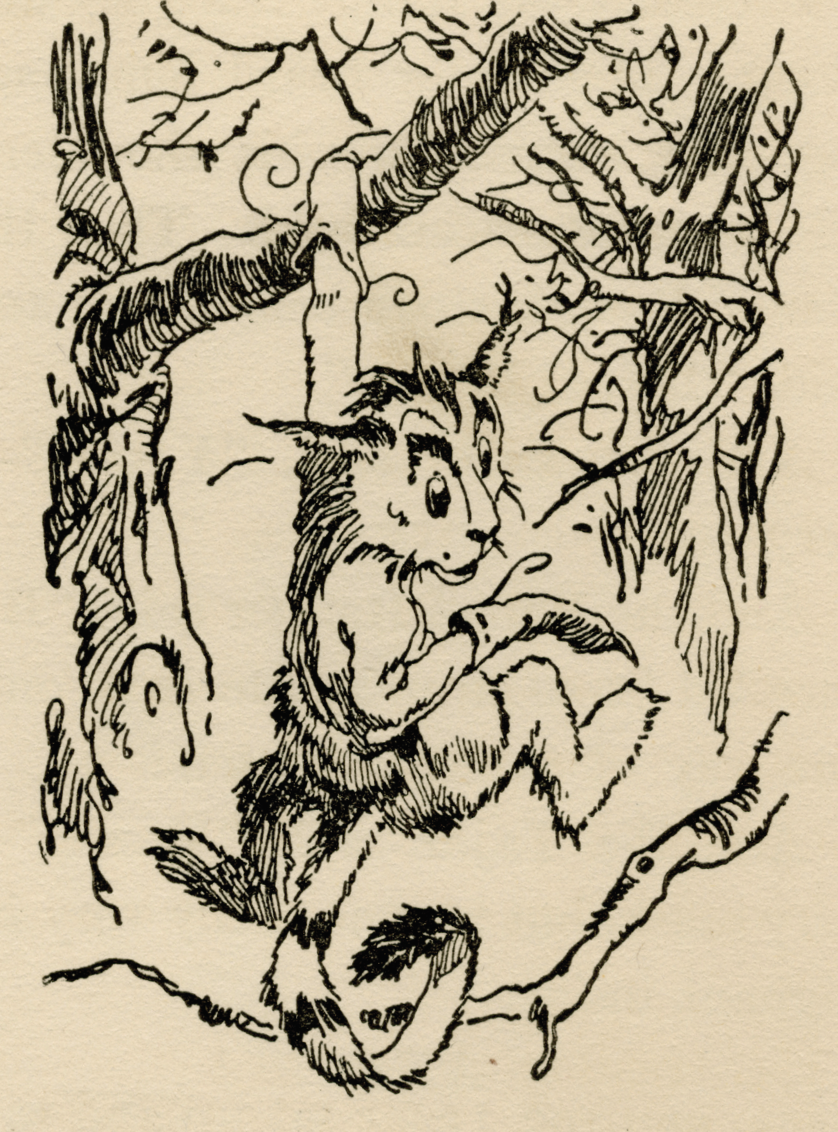
“Tajar Tales” illustration by Herman Lui Drucklieb, 1924
CAMP MOVIES
A VISUAL HISTORY OF CAMP LIFE, PROMOTION, AND OUTREACH
As far back as the 1920s and 1930s, summer camp directors became early amateur filmmakers, investing in film cameras and projectors for marketing. Film footage of camp in action was a useful tool for camp advertising. Alumni in cities throughout their camper base often hosted gatherings where these films would be shown. Similar types of camper recruitment parties are still a popular strategy used by camps to this day. The modern-day equivalents of these camp films are now accessible on camp websites and YouTube channels.
Camp Arrowhead (Zirconia, NC), c. 1960s
Camp Merrie-Woode Promotional Film, c. 1950s
Film clips from Blue Star Camps, Camp Arrowhead, Camp High Rocks, Camp Junaluska,
Camp Merrie-Woode, and Camp Sequoyah, c. 1920s–1970s
INTRODUCTION • camp origins • CAMP evolutions • CAMP CULTURE • CAMP LIFE • MUSEUM GALLERY